
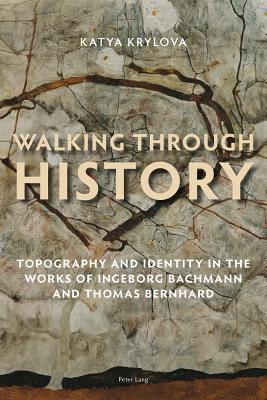
Walking Through History : Topography and Identity in the Works of Ingeborg Bachmann and Thomas Bernhard
New
Book Details
Format
Paperback / softback
ISBN-10
3034308450
ISBN-13
9783034308458
Edition
New
Publisher
Peter Lang AG, Internationaler Verlag der Wissenschaften
Imprint
Peter Lang AG, Internationaler Verlag der Wissensc
Country of Manufacture
CH
Country of Publication
GB
Publication Date
Oct 30th, 2012
Print length
274 Pages
Weight
422 grams
Dimensions
15.20 x 26.70 x 1.70 cms
KSh 11,100.00
Currently unavailable
0 in stock
Delivery Location
Delivery fee: Select location
Secure
Quality
Fast
This book was the winner of the 2011 Peter Lang Young Scholars Competition in German Studies. The author demonstrates the centrality of topography for confronting the past in this study of the work of Ingeborg Bachmann and Thomas Bernhard, who engage with the Austrian repression of its traumatic historical legacy.
This book was the winner of the 2011 Peter Lang Young Scholars Competition in German Studies.
The post-war landscape of Europe is unthinkable without the voices of the Austrian writers Ingeborg Bachmann (1926–1973) and Thomas Bernhard (1931–1989). Their work, coming after the devastation wrought by the Second World War and the Holocaust, is rooted in a specifically Austrian context of repression of this traumatic historical legacy. In post-war Austria, discourse on the recent past may have been dominated by silence, but the legacy of this past was all too apparent in the country’s ruined and speedily reconstructed cityscapes.
This book investigates Bachmann’s and Bernhard’s treatment of two fundamental aspects of the Austrian historical legacy: the trauma of the war and the desire to return to an ideal homeland, known as ‘Haus Österreich’. Following a methodology based on Freud and Benjamin, this comparative study demonstrates that the confrontation with Austria’s troubled history occurs through the protagonists’ ambivalent encounter with the landscape or cityscape that they inhabit, travel or return to. The book demonstrates the centrality of topography on both thematic and structural levels in the authors’ prose works, as a mode of confronting the past and making sense of the present.
The post-war landscape of Europe is unthinkable without the voices of the Austrian writers Ingeborg Bachmann (1926–1973) and Thomas Bernhard (1931–1989). Their work, coming after the devastation wrought by the Second World War and the Holocaust, is rooted in a specifically Austrian context of repression of this traumatic historical legacy. In post-war Austria, discourse on the recent past may have been dominated by silence, but the legacy of this past was all too apparent in the country’s ruined and speedily reconstructed cityscapes.
This book investigates Bachmann’s and Bernhard’s treatment of two fundamental aspects of the Austrian historical legacy: the trauma of the war and the desire to return to an ideal homeland, known as ‘Haus Österreich’. Following a methodology based on Freud and Benjamin, this comparative study demonstrates that the confrontation with Austria’s troubled history occurs through the protagonists’ ambivalent encounter with the landscape or cityscape that they inhabit, travel or return to. The book demonstrates the centrality of topography on both thematic and structural levels in the authors’ prose works, as a mode of confronting the past and making sense of the present.
Get Walking Through History by Katya Krylova at the best price and quality guaranteed only at Werezi Africa's largest book ecommerce store. The book was published by Peter Lang AG, Internationaler Verlag der Wissenschaften and it has 274 pages.
Customers Who Bought This Also Bought
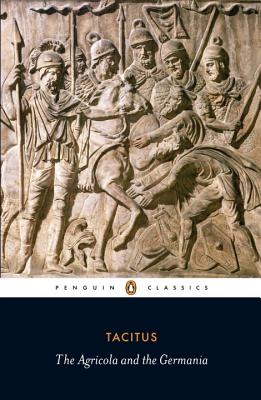
Agricola and the Germania
KSh 2,350.00
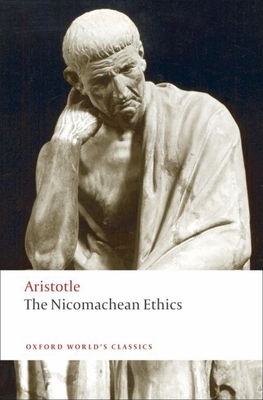
The Nicomachean Ethics
KSh 1,600.00
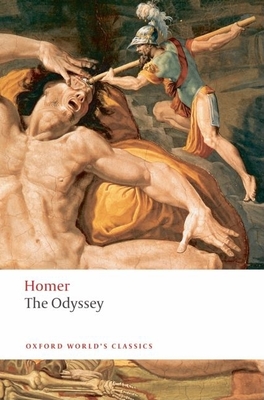
The Odyssey
KSh 1,800.00
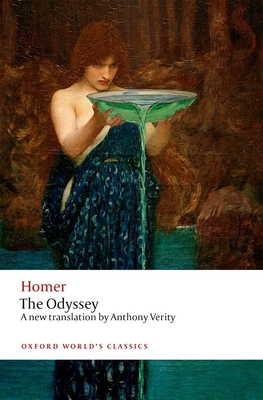
The Odyssey
KSh 1,600.00

The Iliad
KSh 1,450.00
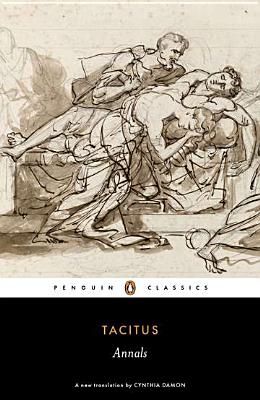
Annals
KSh 2,350.00
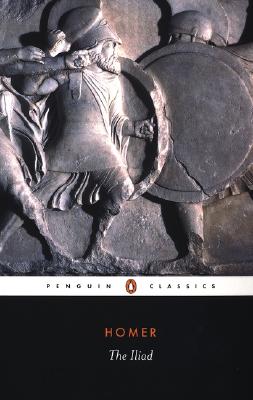
The Iliad
KSh 2,000.00
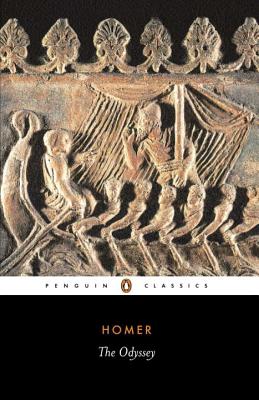
The Odyssey
KSh 1,800.00
Great Dialogues of Plato
KSh 1,450.00
The Iliad
KSh 1,800.00
Phaedo
KSh 1,450.00
Xrepublic
KSh 850.00
