

Wandering Games
Book Details
Format
Paperback / softback
ISBN-10
0262544245
ISBN-13
9780262544245
Publisher
MIT Press Ltd
Imprint
MIT Press
Country of Manufacture
GB
Country of Publication
GB
Publication Date
Oct 11th, 2022
Print length
208 Pages
Weight
358 grams
Dimensions
15.30 x 22.80 x 1.60 cms
KSh 5,200.00
Werezi Extended Catalogue
Delivery in 12 days
1 copies in stock
Delivery Location
Delivery fee: Select location
Delivery in 12 days
Secure
Quality
Fast
A thought-provoking analysis of wandering within different game worlds, viewed through the lenses of work, colonialism, gender, and death—with examples from The Last of Us Part II and others.
Wandering in games can be a theme, a formal mode, an aesthetic metaphor, or a player action. It can mean walking, escaping, traversing, meandering, or returning. In this book, game studies scholar Melissa Kagen introduces the concept of “wandering games,” exploring the uses of wandering in a variety of game worlds. She shows how the much-derided Walking Simulator—a term that began as an insult, a denigration of games that are less violent, less task-oriented, or less difficult to complete—semi-accidentally tapped into something brilliant: the vast heritage and intellectual history of the concept of walking in fiction, philosophy, pilgrimage, performance, and protest.
Kagen examines wandering in a series of games that vary widely in terms of genre, mechanics, themes, player base, studio size, and funding, giving close readings to Return of the Obra Dinn, Eastshade, Ritual of the Moon, 80 Days, Heaven’s Vault, Death Stranding, and The Last of Us Part II. Exploring the connotations of wandering within these different game worlds, she considers how ideologies of work, gender, colonialism, and death inflect the ways we wander through digital spaces. Overlapping and intersecting, each provides a multifaceted lens through which to understand what wandering does, lacks, implies, and offers. Kagen’s account will attune game designers, players, and scholars to the myriad possibilities of the wandering ludic body.
Wandering in games can be a theme, a formal mode, an aesthetic metaphor, or a player action. It can mean walking, escaping, traversing, meandering, or returning. In this book, game studies scholar Melissa Kagen introduces the concept of “wandering games,” exploring the uses of wandering in a variety of game worlds. She shows how the much-derided Walking Simulator—a term that began as an insult, a denigration of games that are less violent, less task-oriented, or less difficult to complete—semi-accidentally tapped into something brilliant: the vast heritage and intellectual history of the concept of walking in fiction, philosophy, pilgrimage, performance, and protest.
Kagen examines wandering in a series of games that vary widely in terms of genre, mechanics, themes, player base, studio size, and funding, giving close readings to Return of the Obra Dinn, Eastshade, Ritual of the Moon, 80 Days, Heaven’s Vault, Death Stranding, and The Last of Us Part II. Exploring the connotations of wandering within these different game worlds, she considers how ideologies of work, gender, colonialism, and death inflect the ways we wander through digital spaces. Overlapping and intersecting, each provides a multifaceted lens through which to understand what wandering does, lacks, implies, and offers. Kagen’s account will attune game designers, players, and scholars to the myriad possibilities of the wandering ludic body.
Get Wandering Games by Melissa Kagen at the best price and quality guaranteed only at Werezi Africa's largest book ecommerce store. The book was published by MIT Press Ltd and it has 208 pages.
Customers Who Bought This Also Bought

Arcade Adventures
KSh 6,300.00

Life is Strange
KSh 2,900.00
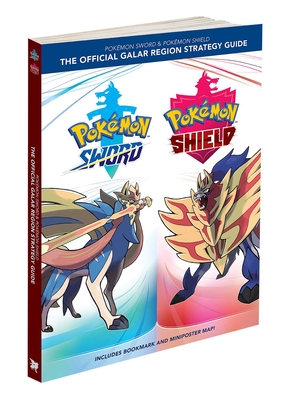
Pokemon Sword & Pokemon Shield
KSh 5,000.00
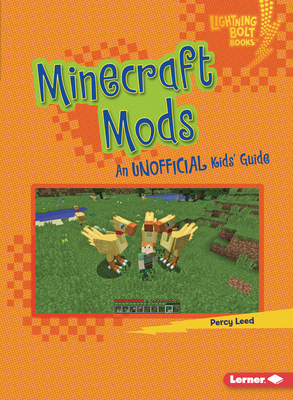
Minecraft Mods
KSh 1,450.00

Day of the Tentacle
KSh 2,850.00

Gaming and Geography
KSh 23,400.00

Ready Reader One
KSh 6,300.00

Interactivity and Meta-Engagement in Digital Mystery Narratives
KSh 3,250.00

Meta-Tuning Justice
KSh 14,200.00
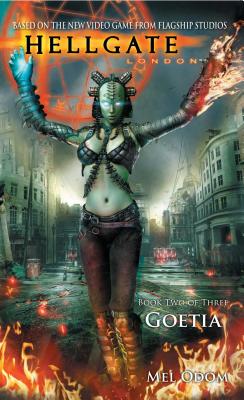
Hellgate: London: Goetia
KSh 5,050.00

Fatal Fury/Garou Densetsu: The Ultimate History
KSh 9,500.00

Rockstar Games and American History
KSh 14,650.00
