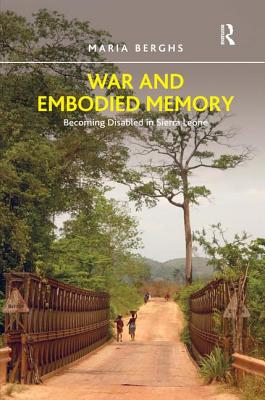
War and Embodied Memory : Becoming Disabled in Sierra Leone
by
Maria Berghs
Book Details
Format
Paperback / softback
ISBN-10
1138247197
ISBN-13
9781138247192
Publisher
Taylor & Francis Ltd
Imprint
Routledge
Country of Manufacture
GB
Country of Publication
GB
Publication Date
Sep 9th, 2016
Print length
274 Pages
Weight
384 grams
Dimensions
15.80 x 31.00 x 2.30 cms
KSh 10,450.00
Currently unavailable
0 in stock
Delivery Location
Delivery fee: Select location
Secure
Quality
Fast
How do you become an ''amputee'', ''war-wounded'', ''victim'' or ''disabled'' person? This book describes how an amputee and war-wounded community was created after a decade long conflict (1991-2002) in Sierra Leone. Beginning with a general socio-cultural and historical analysis of what is understood by impairment and disability, it also explains how disability was politically created both during the conflict and post-conflict, as violence became part of the everyday. Despite participating in the neoliberal rebuilding of the nation state, ex-combatants and the security of the nation were the government?s main priorities, not amputee and war-wounded people. In order to survive, people had to form partnerships with NGOs and participate in new discourses and practices around disability and rights, thus accessing identities of ''disabled'' or ''persons with disabilities''. NGOs, charities and religious organisations that understood impairment and disability were most successful at aiding this community of people. However, since discourse and practice on disability were mainly bureaucratic, top-down, and not democratic about mainstreaming disability, neoliberal organisations and INGOs have caused a new colonisation of consciousness, and amputee and war-wounded people have had to become skilled in negotiating these new forms of subjectivities to survive.
Get War and Embodied Memory by Maria Berghs at the best price and quality guaranteed only at Werezi Africa's largest book ecommerce store. The book was published by Taylor & Francis Ltd and it has 274 pages.
Customers Who Bought This Also Bought
Hunchback
KSh 2,000.00

No One Is Talking About This
KSh 1,800.00
Plough Quarterly No. 30 – Made Perfect
KSh 1,700.00
brother. do. you. love. me.
KSh 2,000.00
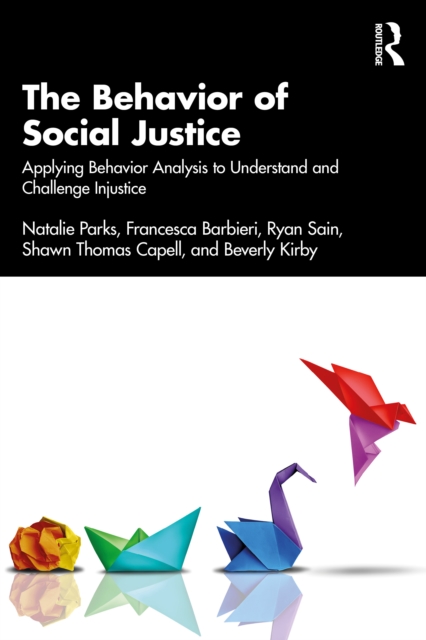
The Behavior of Social Justice
KSh 11,250.00
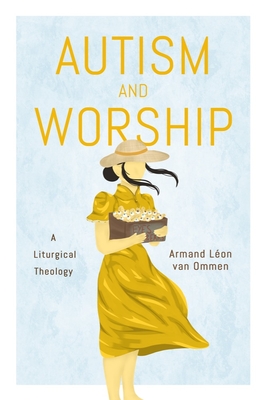
Autism and Worship
KSh 6,500.00
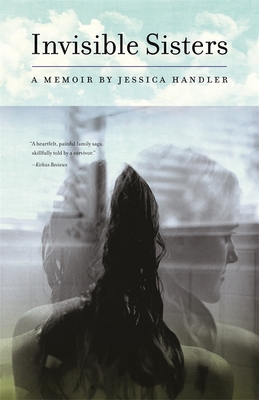
Invisible Sisters
KSh 3,400.00

Intersectional Disability
KSh 30,950.00

Intersectional Disability
KSh 7,900.00

Disability in Ptolemaic Egypt and the Hellenistic World
KSh 8,650.00
Disability and Social Work Education
KSh 11,000.00
Freud''s Jaw and Other Lost Objects
KSh 4,850.00