

Wars We Never Fought : Armed Conflict in Speculative Fiction
Book Details
Format
Hardback
ISBN-10
876512153Y
ISBN-13
9798765121535
Publisher
Bloomsbury Publishing Plc
Imprint
Bloomsbury Academic
Country of Manufacture
GB
Country of Publication
GB
Publication Date
Dec 11th, 2025
Print length
320 Pages
Weight
600 grams
Dimensions
23.20 x 16.00 x 2.40 cms
KSh 18,550.00
Currently unavailable
0 in stock
Delivery Location
Delivery fee: Select location
Secure
Quality
Fast
A collection of 16 essays examining how armed conflict functions as a subject, theme, metaphor, symbol, or plot device in works of science fiction, fantasy, and other speculative fictions.
A collection of essays examining how armed conflict functions as a subject, theme, metaphor, symbol, or plot device in popular works of speculative fiction, including novels, films, television, and video games.
Speculative fiction - genres such as science fiction, fantasy, utopian/dystopian, apocalyptic/post-apocalyptic, supernatural, horror, superhero, and alternative history - is, at this particular cultural moment, incontrovertibly popular. Despite the fact that war and its social, cultural, political, and moral consequences are often a driving force in speculative fiction narratives, exerting outsized influence on character development, structuring plot and conflict, and serving as a vehicle to explore various themes, there has been little critical attention given specifically to the intersection of these concepts.
Wars We Never Foughtremedies this problem, as contributors analyze such popular texts as the Star Warsfranchise, Ann Leckie''s Imperial Radch trilogy, Dune, Mary Doria Russell''s The Sparrow and Children of God, The Expanseseries, Captain Marvel, and the Fallout game franchise. These essays offer accessible and wide-ranging critical insight into how and why creators of speculative fiction use war as a device within the diegetic worlds of their stories. They also look at what the depictions of war and warriors within these texts suggest regarding notions such as race, class, gender, sexuality, difference, sociopolitical power, and other cultural values.
Contextualizing the culture in which these narratives are created and consumed, Wars We Never Fought demonstrates how the textual dramatization of entirely fictitious wars might reflect, interrogate, and even structure understanding of warfare in the "real world."
Speculative fiction - genres such as science fiction, fantasy, utopian/dystopian, apocalyptic/post-apocalyptic, supernatural, horror, superhero, and alternative history - is, at this particular cultural moment, incontrovertibly popular. Despite the fact that war and its social, cultural, political, and moral consequences are often a driving force in speculative fiction narratives, exerting outsized influence on character development, structuring plot and conflict, and serving as a vehicle to explore various themes, there has been little critical attention given specifically to the intersection of these concepts.
Wars We Never Foughtremedies this problem, as contributors analyze such popular texts as the Star Warsfranchise, Ann Leckie''s Imperial Radch trilogy, Dune, Mary Doria Russell''s The Sparrow and Children of God, The Expanseseries, Captain Marvel, and the Fallout game franchise. These essays offer accessible and wide-ranging critical insight into how and why creators of speculative fiction use war as a device within the diegetic worlds of their stories. They also look at what the depictions of war and warriors within these texts suggest regarding notions such as race, class, gender, sexuality, difference, sociopolitical power, and other cultural values.
Contextualizing the culture in which these narratives are created and consumed, Wars We Never Fought demonstrates how the textual dramatization of entirely fictitious wars might reflect, interrogate, and even structure understanding of warfare in the "real world."
Get Wars We Never Fought by Dr. or Prof. Leigha H. McReynolds at the best price and quality guaranteed only at Werezi Africa's largest book ecommerce store. The book was published by Bloomsbury Publishing Plc and it has 320 pages.
Customers Who Bought This Also Bought
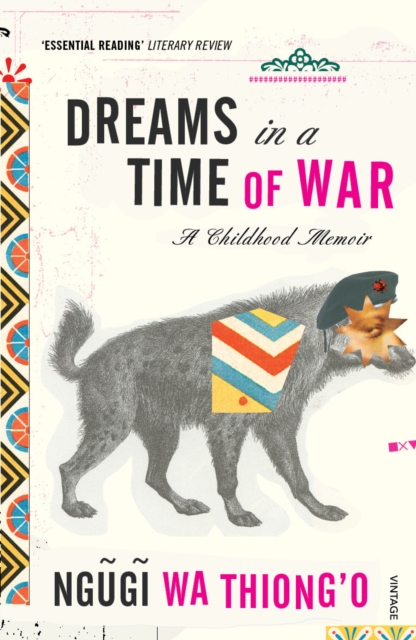
Dreams in a Time of War
KSh 3,050.00
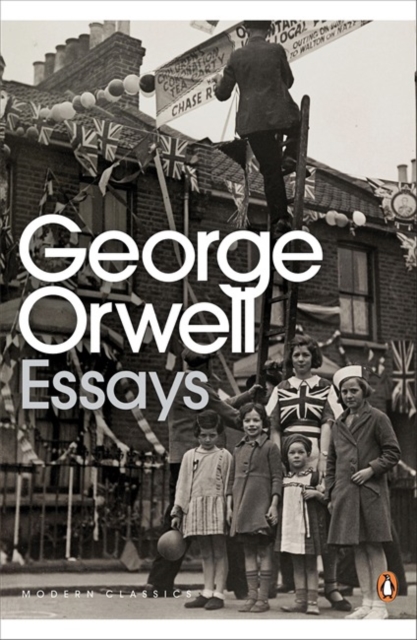
Modern Classics Penguin Essays of George Orwell
KSh 2,700.00
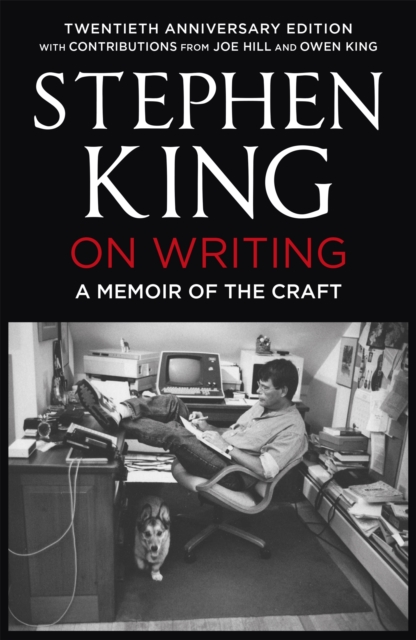
On Writing
KSh 2,000.00

To the Lighthouse
KSh 1,450.00
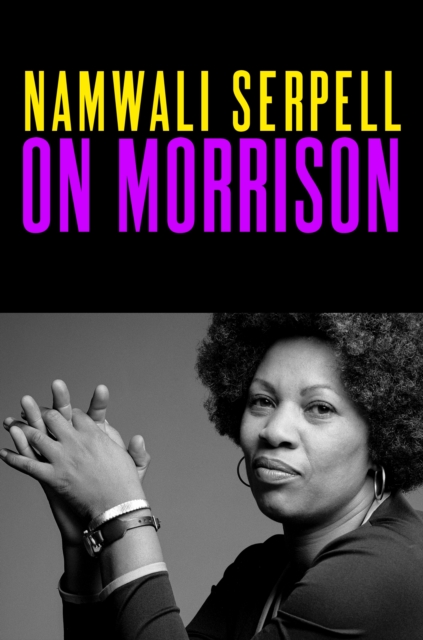
On Morrison
KSh 4,500.00

Africa''s Tarnished Name
KSh 700.00
C. S. Lewis
KSh 1,800.00

Life in Letters
KSh 5,400.00

By Grand Central Station I
KSh 1,800.00
Wide Sargasso Sea
KSh 1,800.00

Mom and Me and Mom
KSh 2,000.00
Jorge Luis Borges
KSh 1,800.00
