
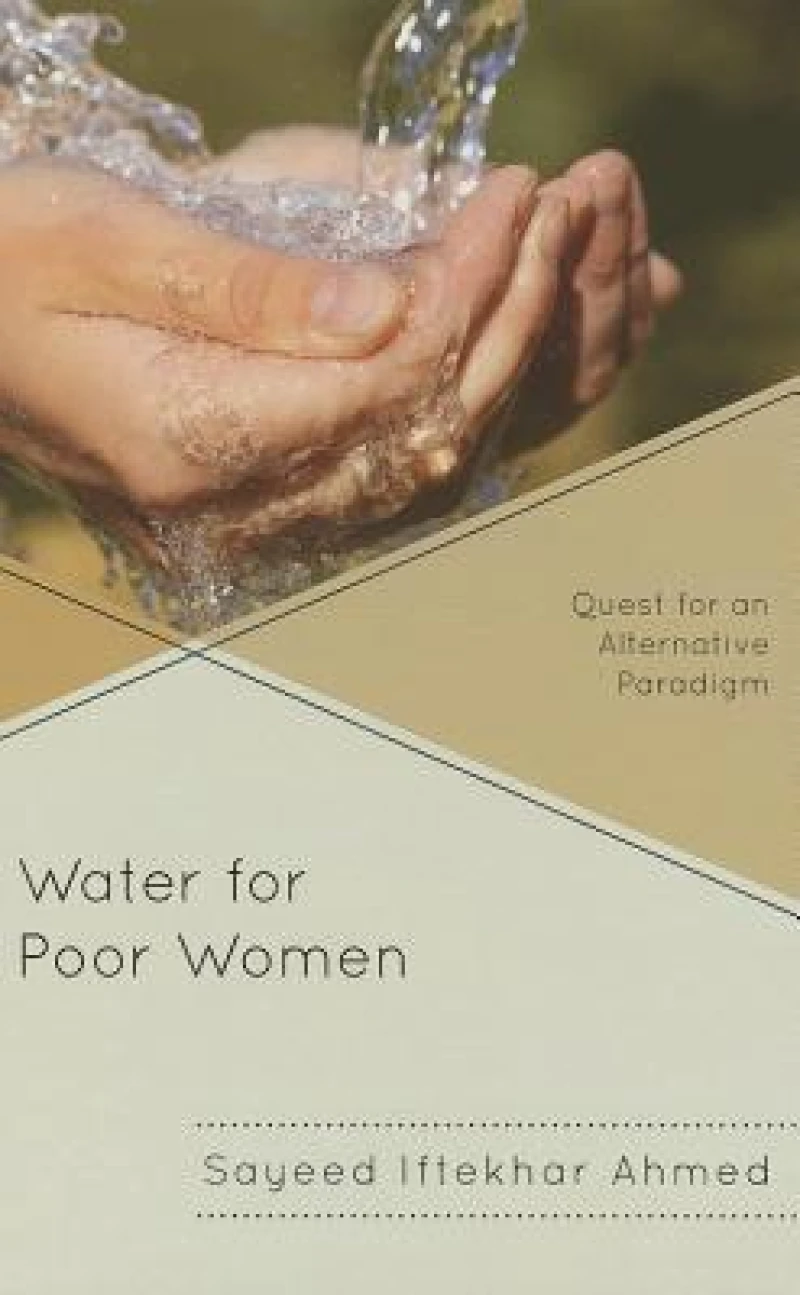
Water for Poor Women : Quest for an Alternative Paradigm
Book Details
Format
Hardback or Cased Book
ISBN-10
0739175270
ISBN-13
9780739175279
Publisher
Bloomsbury Publishing Plc
Imprint
Lexington Books
Country of Manufacture
GB
Country of Publication
GB
Publication Date
Dec 27th, 2012
Print length
158 Pages
Weight
417 grams
Dimensions
23.20 x 15.90 x 2.00 cms
Ksh 17,350.00
Manufactured on Demand
Delivery in 29 days
Delivery Location
Delivery fee: Select location
Delivery in 29 days
Secure
Quality
Fast
The majority of the poor people in South and Southeast Asia do not have sufficient access to safe potable water sources. Various studies demonstrate that poor women have less access than poor men, especially in the developing world. Due to the gendered division of labor, the role of women, especially those who are poor, is vital in collecting, distributing, and safeguarding water. Current studies on water governance do not focus on poor women’s ability to access potable water sources through their involvement in the distribution process. Water for Poor Women: Quest for an Alternative Paradigm, by Sayeed Iftekhar Ahmed, develops an alternative governance paradigm to ensure poor women’s water security through their participation in the governance process. This study assesses the effects of governance on water distribution and participation from the perspective of poor women.Ahmed examines the state-led and Public Private Participation (PPP) governance systems located in two developing metropolises: Dhaka, Bangladesh and Manila, the Philippines, respectively. This crucial investigation reveals that poor women have very limited ability to access water under the state-led governance system in Dhaka, but comparatively more ability to access water resources under the PPP governance in Manila. However, women are excluded from the decision-making process under both types of governance systems. Water for Poor Women proposes an alternative system of governance for ensuring women’s participation in the governance processes to promote the goal of more equitable distribution of urban water.
The majority of the poor people in South and Southeast Asia do not have sufficient access to safe potable water sources. Various studies demonstrate that poor women have less access than poor men, especially in the developing world. Due to the gendered division of labor, the role of women, especially those who are poor, is vital in collecting, distributing, and safeguarding water. Current studies on water governance do not focus on poor women’s ability to access potable water sources through their involvement in the distribution process. Water for Poor Women: Quest for an Alternative Paradigm, by Sayeed Iftekhar Ahmed, develops an alternative governance paradigm to ensure poor women’s water security through their participation in the governance process. This study assesses the effects of governance on water distribution and participation from the perspective of poor women. Ahmed examines the state-led and Public Private Participation (PPP) governance systems located in two developing metropolises: Dhaka, Bangladesh and Manila, the Philippines, respectively. This crucial investigation reveals that poor women have very limited ability to access water under the state-led governance system in Dhaka, but comparatively more ability to access water resources under the PPP governance in Manila. However, women are excluded from the decision-making process under both types of governance systems. Water for Poor Women proposes an alternative system of governance for ensuring women’s participation in the governance processes to promote the goal of more equitable distribution of urban water.
Get Water for Poor Women by at the best price and quality guaranteed only at Werezi Africa's largest book ecommerce store. The book was published by Bloomsbury Publishing Plc and it has pages.

