
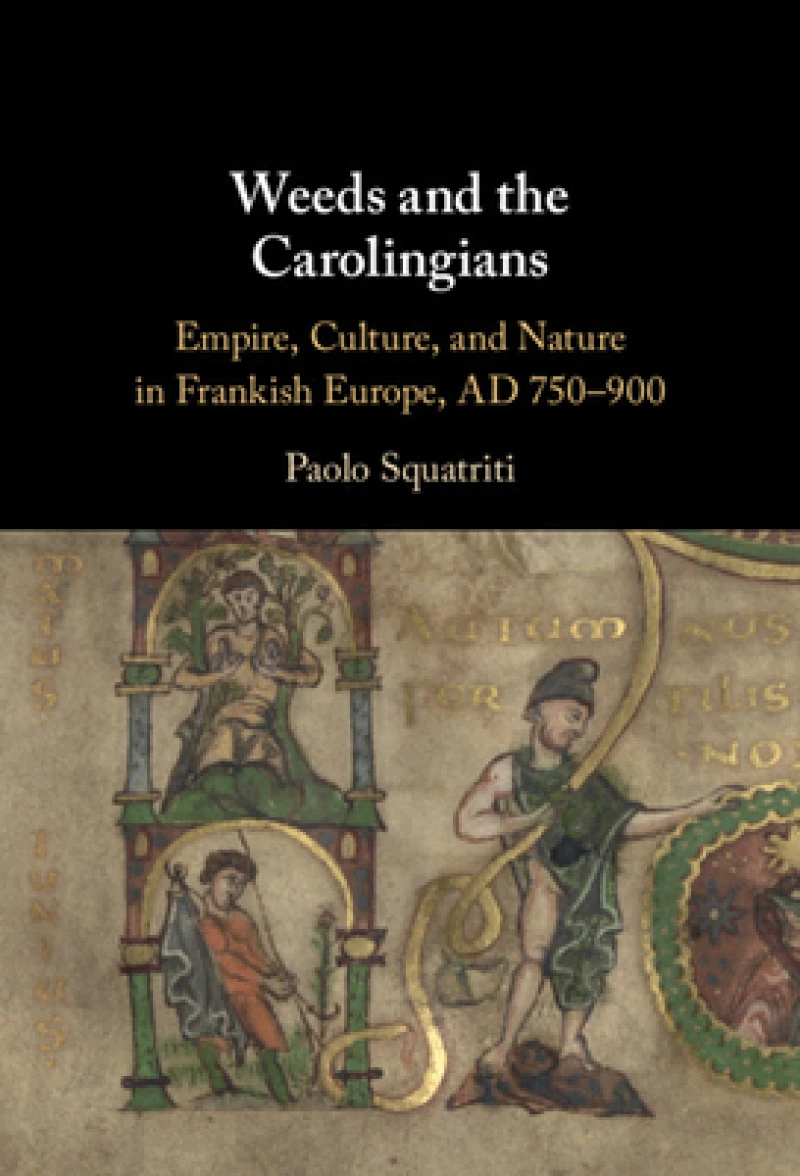
Weeds and the Carolingians : Empire, Culture, and Nature in Frankish Europe, AD 750–900
Book Details
Format
Hardback or Cased Book
ISBN-10
131651286X
ISBN-13
9781316512869
Publisher
Cambridge University Press
Imprint
Cambridge University Press
Country of Manufacture
GB
Country of Publication
GB
Publication Date
Jun 9th, 2022
Print length
280 Pages
Weight
490 grams
Dimensions
15.80 x 23.60 x 2.10 cms
Product Classification:
European historyMedieval historyThe environmentAgriculture & farming
Ksh 14,750.00
Manufactured on Demand
0 in stock
Delivery Location
Delivery fee: Select location
Secure
Quality
Fast
In early medieval Europe, unwanted plants that persistently appeared among crops created extra work, reduced productivity, and challenged theologians who believed God had made all vegetation good. This book presents a dynamic picture of early medieval people struggling to control their ecosystems, and their relationship with their environments.
Why did weeds matter in the Carolingian empire? What was their special significance for writers in eighth- and ninth-century Europe and how was this connected with the growth of real weeds? In early medieval Europe, unwanted plants that persistently appeared among crops created extra work, reduced productivity, and challenged theologians who believed God had made all vegetation good. For the first time, in this book weeds emerge as protagonists in early medieval European history, driving human farming strategies and coloring people''s imagination. Early medieval Europeans'' effort to create agroecosystems that satisfied their needs and cosmologies that confirmed Christian accounts of vegetable creation both had to come to terms with unruly plants. Using diverse kinds of texts, fresh archaeobotanical data, and even mosaics, this interdisciplinary study reveals how early medieval Europeans interacted with their environments.
Get Weeds and the Carolingians by at the best price and quality guaranteed only at Werezi Africa's largest book ecommerce store. The book was published by Cambridge University Press and it has pages.

