
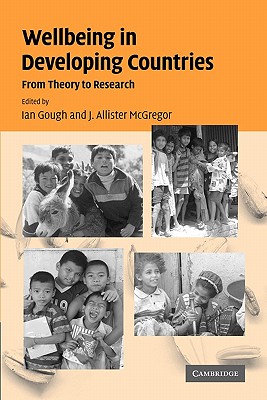
Wellbeing in Developing Countries : From Theory to Research
Book Details
Format
Paperback / softback
ISBN-10
0521180805
ISBN-13
9780521180801
Publisher
Cambridge University Press
Imprint
Cambridge University Press
Country of Manufacture
GB
Country of Publication
GB
Publication Date
Nov 11th, 2010
Print length
424 Pages
Weight
628 grams
Dimensions
23.40 x 14.90 x 2.70 cms
KSh 9,050.00
Currently unavailable
0 in stock
Delivery Location
Delivery fee: Select location
Secure
Quality
Fast
This 2007 book challenges the conventional economic approaches to development and poverty and contributes to a new paradigm for development centred on human wellbeing. Poor people are not defined solely by their poverty and a wellbeing approach provides a better means of understanding how people become and stay poor.
In a world where many experience unprecedented levels of wellbeing, chronic poverty remains a major concern for many developing countries and the international community. Conventional frameworks for understanding development and poverty have focused on money, commodities and economic growth. This 2007 book challenges these conventional approaches and contributes to a new paradigm for development centred on human wellbeing. Poor people are not defined solely by their poverty and a wellbeing approach provides a better means of understanding how people become and stay poor. It examines three perspectives: ideas of human functioning, capabilities and needs; the analysis of livelihoods and resource use; and research on subjective wellbeing and happiness. A range of international experts from psychology, economics, anthropology, sociology, political science and development evaluate the state-of-the-art in understanding wellbeing from these perspectives. This book establishes a new strategy and methodology for researching wellbeing that can influence policy.
Get Wellbeing in Developing Countries by Ian Gough at the best price and quality guaranteed only at Werezi Africa's largest book ecommerce store. The book was published by Cambridge University Press and it has 424 pages.
Customers Who Bought This Also Bought
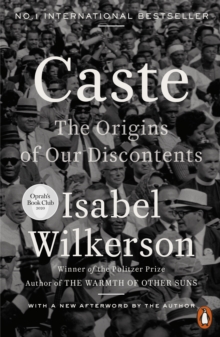
Caste
KSh 2,700.00
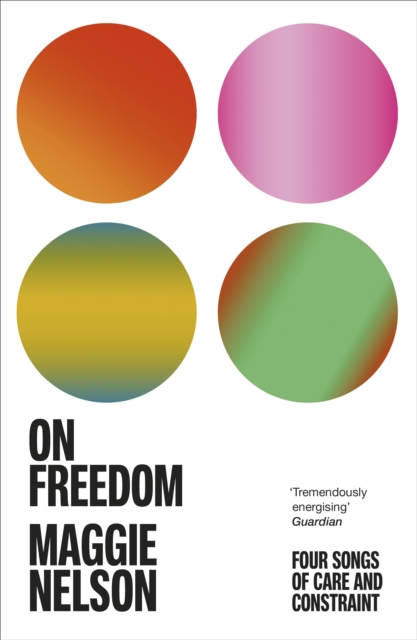
On Freedom
KSh 2,350.00

Extinction of Experience
KSh 3,950.00

Revenge of the Tipping Point
KSh 2,350.00

Lost Girls
KSh 2,000.00

Right to Sex
KSh 2,000.00
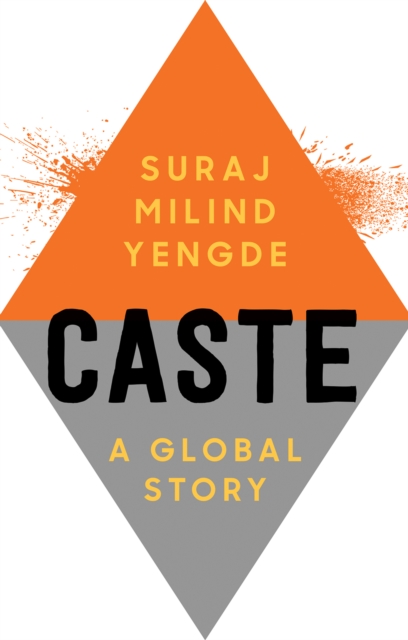
Caste
KSh 4,550.00

Revenge of the Tipping Point
KSh 4,500.00

Revenge of the Tipping Point
KSh 3,050.00

Can Feminism Be African
KSh 2,000.00

Can Feminism Be African
KSh 3,950.00

History of Sexuality: 2
KSh 2,350.00
