
What Happened to Governance in Kashmir?
Book Details
Format
Hardback or Cased Book
ISBN-10
019948760X
ISBN-13
9780199487608
Publisher
OUP India
Imprint
OUP India
Country of Manufacture
IN
Country of Publication
GB
Publication Date
Feb 14th, 2019
Print length
357 Pages
Weight
590 grams
Dimensions
22.00 x 14.90 x 3.20 cms
Product Classification:
Political structures: democracyHuman rightsGovernment powers
Ksh 7,400.00
Werezi Extended Catalogue
0 in stock
Delivery Location
Delivery fee: Select location
Secure
Quality
Fast
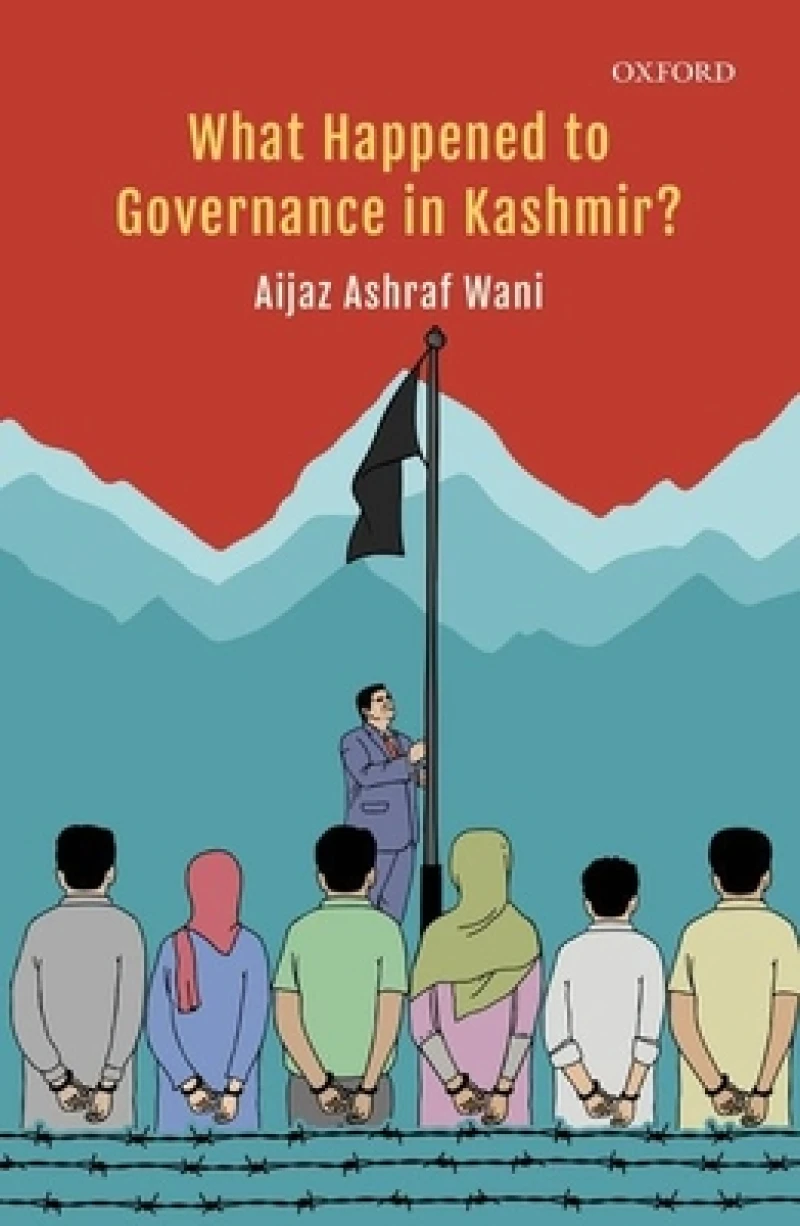
The first of its kind, this book delineates the strategies and tactics employed by the Indian state through its clientele governments and patronage democracies to manage the conflicted state of Jammu and Kashmir. In the process the book unfolds the nature and functioning of the state, politics and governance in Kashmir after 1947.
What Happened to Governance in Kashmir is a telling tale on the state of governance in Kashmir; the policies and strategies adopted by Indian state and the successive patronage governments to grapple with the multifarious problems of the state. Kashmir is an ailing state. It is the victim of colonialism and partition, which subverted its geographical centrality with serious economic implications besides making it a permanent conflict state causing immense human and material loss. Besides being claimed by India, Pakistan, and Kashmiris, it is also a rainbow state very difficult to manage with various ethno-regional and sub-regional nationalities at cross-purposes. Added to this, it is a dependent state. This book situates governance in its total milieu and examines the governance in the framework of challenge and response continuum. It unfolds how in a conflict state like Kashmir democracy and governance is always guided and controlled. This is the first comprehensive book on the post-1947 governance in Kashmir.
Get What Happened to Governance in Kashmir? by at the best price and quality guaranteed only at Werezi Africa's largest book ecommerce store. The book was published by OUP India and it has pages.

