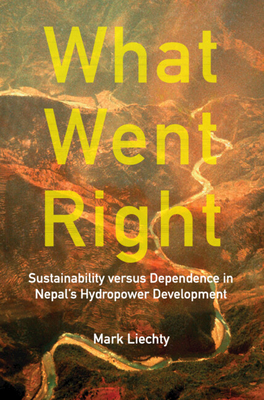
What Went Right : Sustainability Versus Dependence in Nepal's Hydropower Development
by
Mark Liechty
Book Details
Format
Hardback
ISBN-10
1316514900
ISBN-13
9781316514900
Publisher
Cambridge University Press
Imprint
Cambridge University Press
Country of Manufacture
GB
Country of Publication
GB
Publication Date
Aug 25th, 2022
Print length
332 Pages
Weight
58 grams
Dimensions
23.50 x 15.80 x 2.50 cms
KSh 17,800.00
Currently unavailable
0 in stock
Delivery Location
Delivery fee: Select location
Secure
Quality
Fast
What Went Right describes how Nepal managed to build up an indigenous hydropower development sector thereby largely (though not entirely) escaping the common relations of debt, dependency, and exploitation that most poor developing countries are forced to accept as the price for developing national energy infrastructure.
This book explores why Nepal's hydropower sector is one of its few development success stories. Unlike most other 'developing' countries, in Nepal local firms design and build hydropower facilities using Nepali engineers, builders and labor. Nepal has largely avoided the trap whereby most poor countries are forced to accept energy infrastructure projects that are foreign designed, funded and built – typically resulting in debt, dependency and unsustainability. It traces the struggle between two competing development paradigms: one that emphasizes gradual national human capacity building – at the expense of speed and efficiency – and another that emphasizes rapid, large-scale infrastructure building – at the risk of unsustainability and dependency. At stake is whether what passes for 'development' benefits the countries in which it occurs, or the banks and investors that finance capital-intensive projects. What Went Right brings a vision for sustainable development into vigorous conversation with development strategies that have proven to be less productive.
Get What Went Right by Mark Liechty at the best price and quality guaranteed only at Werezi Africa's largest book ecommerce store. The book was published by Cambridge University Press and it has 332 pages.
Customers Who Bought This Also Bought

The Color of Law – A Forgotten History of How Our Government Segregated America
KSh 2,550.00

Prince
KSh 1,100.00

The Prince
KSh 1,800.00

Prince
KSh 3,050.00

January 6 and the Politics of History
KSh 4,650.00

Republic
KSh 2,900.00

Seeing Like a State – How Certain Schemes to Improve the Human Condition Have Failed
KSh 3,550.00

Narrow Corridor
KSh 2,350.00
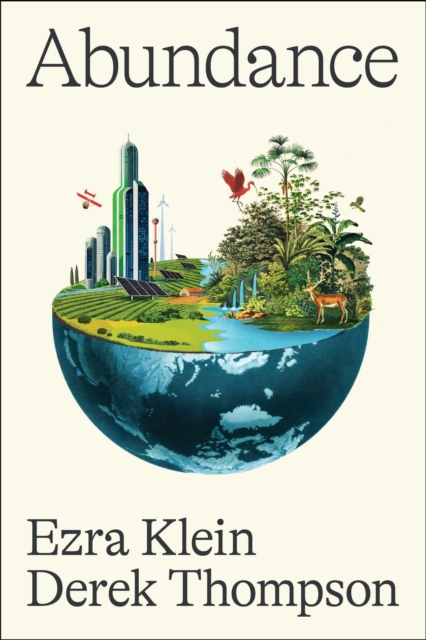
Abundance
KSh 3,400.00

On the Social Contract
KSh 2,350.00
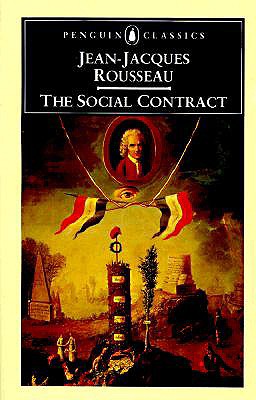
The Social Contract
KSh 2,000.00
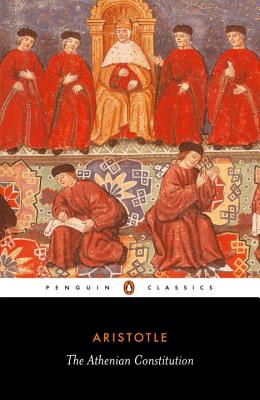
The Athenian Constitution
KSh 2,000.00