
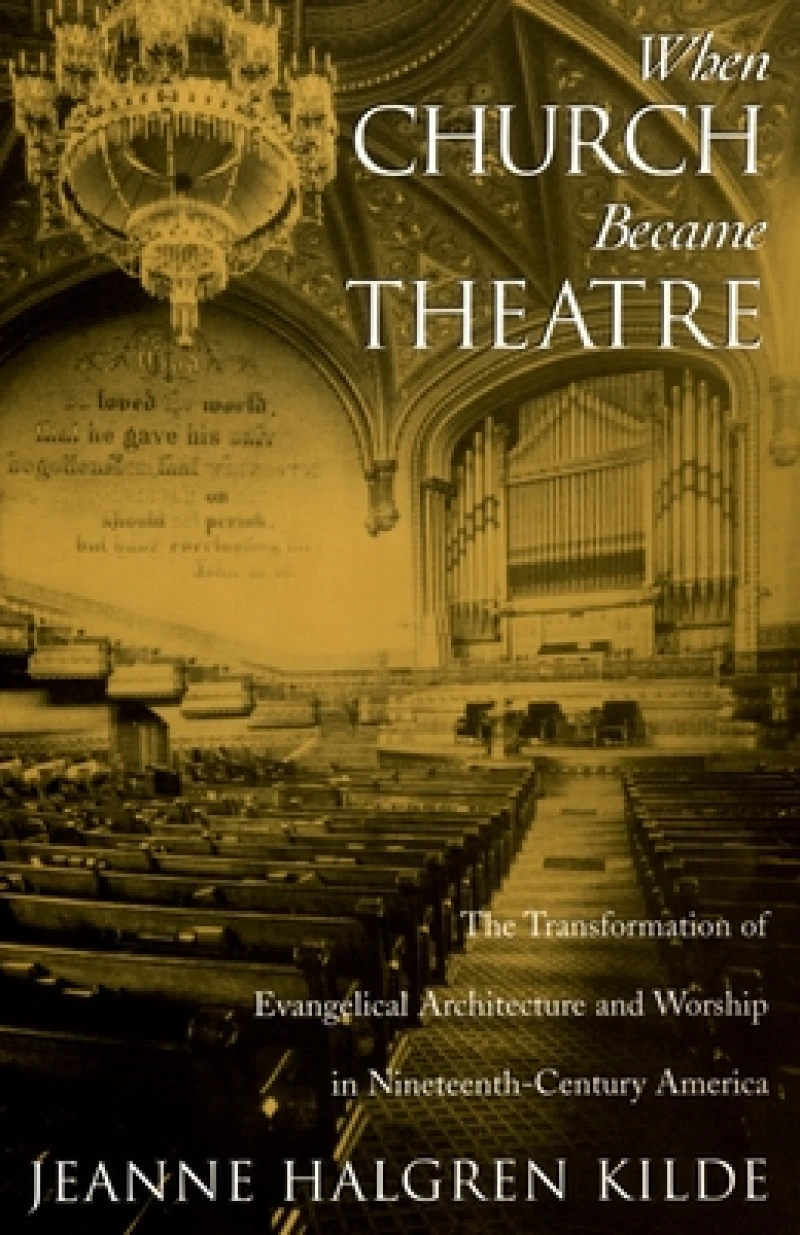
When Church Became Theatre : The Transformation of Evangelical Architecture and Worship in Nineteenth-Century America
Book Details
Format
Paperback / Softback
ISBN-10
0195179722
ISBN-13
9780195179729
Publisher
Oxford University Press Inc
Imprint
Oxford University Press Inc
Country of Manufacture
GB
Country of Publication
GB
Publication Date
Feb 10th, 2005
Print length
328 Pages
Weight
599 grams
Dimensions
23.40 x 16.70 x 1.80 cms
Ksh 8,900.00
Manufactured on Demand
0 in stock
Delivery Location
Delivery fee: Select location
Secure
Quality
Fast
In the 1880s, profound socio-economic and technological changes in the United States contributed to the rejection of Christian architectural traditions and the development of a radically new worship building, the auditorium church. When Church Became Theatre focuses on this radical shift in evangelical Protestant architecture and links it to changes in worship style and religious mission.
For nearly eighteen centuries, two fundamental spatial plans dominated Christian architecture: the basilica and the central plan. In the 1880s, however, profound socio-economic and technological changes in the United States contributed to the rejection of these traditions and the development of a radically new worship building, the auditorium church. When Church Became Theatre focuses on this radical shift in evangelical Protestant architecture and links it to changes in worship style and religious mission. The auditorium style, featuring a prominent stage from which rows of pews radiated up a sloping floor, was derived directly from the theatre, an unusual source for religious architecture but one with a similar goal-to gather large groups within range of a speaker''s voice. Theatrical elements were prominent; many featured proscenium arches, marquee lighting, theatre seats, and even opera boxes. Examining these churches and the discussions surrounding their development, Jeanne Halgren Kilde focuses on how these buildings helped congregations negotiate supernatural, social, and personal power. These worship spaces underscored performative and entertainment aspects of the service and in so doing transformed relationships between clergy and audiences. In auditorium churches, the congregants'' personal and social power derived as much from consumerism as from piety, and clerical power lay in dramatic expertise rather than connections to social institutions. By erecting these buildings, argues Kilde, middle class religious audiences demonstrated the move toward a consumer-oriented model of religious participation that gave them unprecedented influence over the worship experience and church mission.
Get When Church Became Theatre by at the best price and quality guaranteed only at Werezi Africa's largest book ecommerce store. The book was published by Oxford University Press Inc and it has pages.

