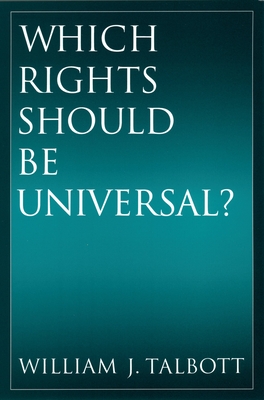
Which Rights Should Be Universal?
Book Details
Format
Paperback / softback
ISBN-10
0195331346
ISBN-13
9780195331349
Publisher
Oxford University Press Inc
Imprint
Oxford University Press Inc
Country of Manufacture
GB
Country of Publication
GB
Publication Date
Jun 21st, 2007
Print length
256 Pages
Weight
340 grams
Dimensions
16.10 x 23.40 x 1.40 cms
Product Classification:
Ethics & moral philosophySocial & political philosophyHuman rights
KSh 8,800.00
Temporarily out of stock, due soon
0 in stock
Delivery Location
Delivery fee: Select location
Secure
Quality
Fast
How can the advocate of universal rights avoid being a moral imperialist? In this book, Talbott builds on the work of Rawls, Habermas, Mill, Sen, and Shue to explain how, over the course of history, human beings have learned how to adopt a distinctively moral standpoint from which it is possible to make universal, though not infallible, judgments of right and wrong. He explains how this distinctively moral standpoint has led to the discovery of the moral importance of nine basic rights. His accessible book is important for debates on human rights, but also for the broader issues of moral and cultural relativism.
We hold these truths to be self-evident... So begins the U.S. Declaration of Independence. What follows those words is a ringing endorsement of universal rights, but it is far from self-evident. Why did the authors claim that it was? William Talbott suggests that they were trapped by a presupposition of Enlightenment philosophy: That there was only one way to rationally justify universal truths, by proving them from self-evident premises. With the benefit of hindsight, it is clear that the authors of the U.S. Declaration had no infallible source of moral truth. For example, many of the authors of the Declaration of Independence endorsed slavery. The wrongness of slavery was not self-evident; it was a moral discovery. In this book, William Talbott builds on the work of John Rawls, Jürgen Habermas, J.S. Mill, Amartya Sen, and Henry Shue to explain how, over the course of history, human beings have learned how to adopt a distinctively moral point of view from which it is possible to make universal, though not infallible, judgments of right and wrong. He explains how this distinctively moral point of view has led to the discovery of the moral importance of nine basic rights. Undoubtedly, the most controversial issue raised by the claim of universal rights is the issue of moral relativism. How can the advocate of universal rights avoid being a moral imperialist? In this book, Talbott shows how to defend basic individual rights from a universal moral point of view that is neither imperialistic nor relativistic. Talbott avoids moral imperialism by insisting that all of us, himself included, have moral blindspots and that we usually depend on others to help us to identify those blindspots. Talbott''s book speaks to not only debates on human rights but to broader issues of moral and cultural relativism, and will interest a broad range of readers.
Get Which Rights Should Be Universal? by William J. Talbott at the best price and quality guaranteed only at Werezi Africa's largest book ecommerce store. The book was published by Oxford University Press Inc and it has 256 pages.
Customers Who Bought This Also Bought
Xmeditations
KSh 700.00
Groundwork for the Metaphysics of Morals
KSh 2,000.00
On the Genealogy of Morals
KSh 2,000.00
Beyond Good and Evil
KSh 2,000.00
The Nicomachean Ethics
KSh 1,600.00
The Sovereignty of Good
KSh 5,400.00
Justice
KSh 2,000.00
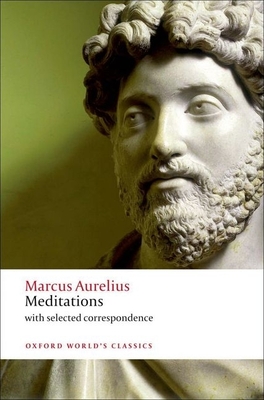
Meditations
KSh 1,600.00
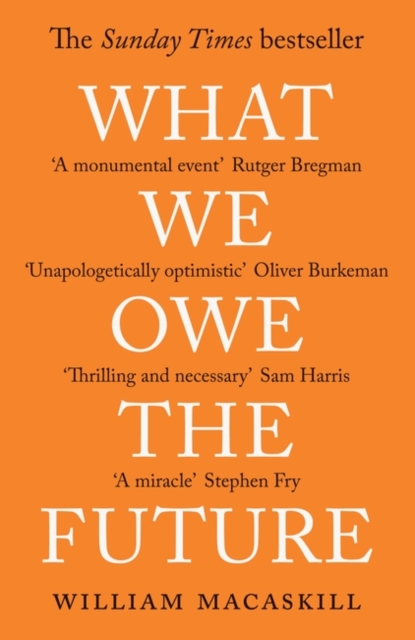
What We Owe The Future
KSh 2,000.00
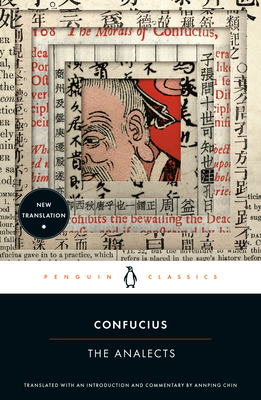
The Analects
KSh 2,350.00
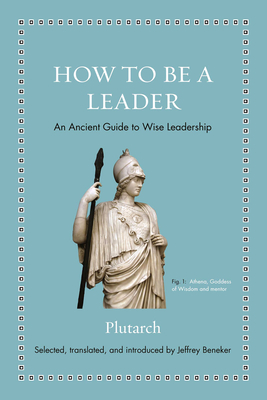
How to Be a Leader – An Ancient Guide to Wise Leadership
KSh 2,800.00
There Are Places in the World Where Rules Are Less Important Than Kindness
KSh 3,600.00