
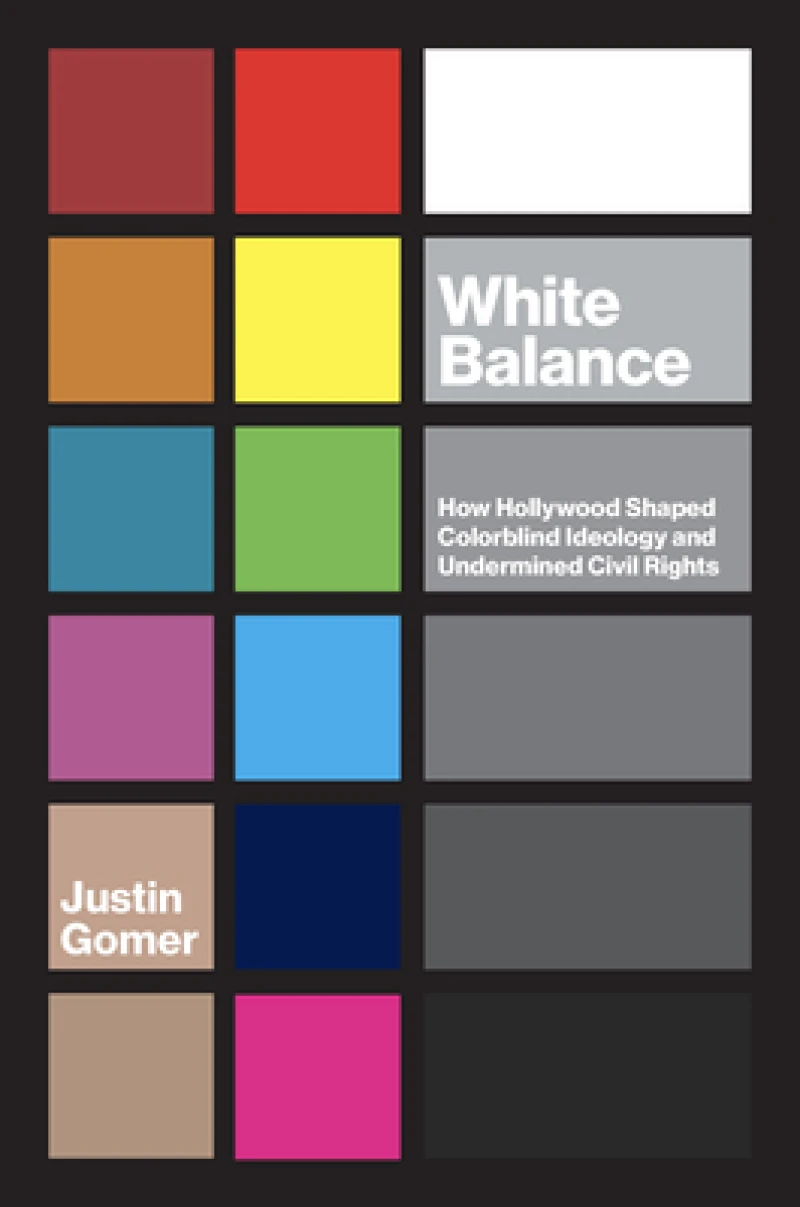
White Balance : How Hollywood Shaped Colorblind Ideology and Undermined Civil Rights
by
Justin Gomer
Book Details
Format
Hardback or Cased Book
Book Series
Studies in United States Culture
ISBN-10
1469655799
ISBN-13
9781469655796
Publisher
The University of North Carolina Press
Imprint
The University of North Carolina Press
Country of Manufacture
GB
Country of Publication
GB
Publication Date
Jun 29th, 2020
Print length
268 Pages
Weight
550 grams
Dimensions
23.30 x 15.50 x 1.90 cms
Ksh 15,100.00
Werezi Extended Catalogue
0 in stock
Delivery Location
Delivery fee: Select location
Secure
Quality
Fast
In the decades after the civil rights movement, the ideology of colorblindness co-opted the language of the civil rights era in order to reinvent white supremacy. The key to this shift, Justin Gomer contends, was film - Hollywood provided the visual medium necessary to dramatize an anti-civil rights agenda over the course of the 70s, 80s, and 90s.
The racial ideology of colorblindness has a long history. In 1963, Martin Luther King famously stated, "I have a dream that my four little children will one day live in a nation where they will not be judged by the color of their skin but by the content of their character." However, in the decades after the civil rights movement, the ideology of colorblindness co-opted the language of the civil rights era in order to reinvent white supremacy and dismantle the civil rights movement's legal victories without offending political decorum. Yet, the spread of colorblindness could not merely happen through political speeches, newspapers, or books. The key, Justin Gomer contends, was film--as race-conscious language was expelled from public discourse, Hollywood provided the visual medium necessary to dramatize an anti–civil rights agenda over the course of the 70s, 80s, and 90s.
In blockbusters like Dirty Harry, Rocky, and Dangerous Minds, filmmakers capitalized upon the volatile racial, social, and economic struggles in the decades after the civil rights movement, shoring up a powerful, bipartisan ideology that would be wielded against race-conscious policy, the memory of black freedom struggles, and core aspects of the liberal state itself.
In blockbusters like Dirty Harry, Rocky, and Dangerous Minds, filmmakers capitalized upon the volatile racial, social, and economic struggles in the decades after the civil rights movement, shoring up a powerful, bipartisan ideology that would be wielded against race-conscious policy, the memory of black freedom struggles, and core aspects of the liberal state itself.
Get White Balance by at the best price and quality guaranteed only at Werezi Africa's largest book ecommerce store. The book was published by The University of North Carolina Press and it has pages.

