

Why Greatness Cannot Be Planned : The Myth of the Objective
2015 ed.
Book Details
Format
Paperback / softback
ISBN-10
3319155237
ISBN-13
9783319155234
Edition
2015 ed.
Publisher
Springer International Publishing AG
Imprint
Springer International Publishing AG
Country of Manufacture
CH
Country of Publication
GB
Publication Date
May 18th, 2015
Print length
141 Pages
Weight
244 grams
Dimensions
23.90 x 16.60 x 0.80 cms
Product Classification:
PsychologyArtificial intelligenceArtificial intelligence (AI)
KSh 4,500.00
Currently unavailable
0 in stock
Delivery Location
Delivery fee: Select location
Secure
Quality
Fast
and that we would be wiser (and the outcomes better) if instead we whole-heartedly embraced serendipitous discovery and playful creativity.Controversial at its heart, yet refreshingly provocative, this book challenges readers to consider life without a destination and discovery without a compass.
Why does modern life revolve around objectives? From how science is funded, to improving how children are educated -- and nearly everything in-between -- our society has become obsessed with a seductive illusion: that greatness results from doggedly measuring improvement in the relentless pursuit of an ambitious goal. In Why Greatness Cannot Be Planned, Stanley and Lehman begin with a surprising scientific discovery in artificial intelligence that leads ultimately to the conclusion that the objective obsession has gone too far. They make the case that great achievement can't be bottled up into mechanical metrics; that innovation is not driven by narrowly focused heroic effort; and that we would be wiser (and the outcomes better) if instead we whole-heartedly embraced serendipitous discovery and playful creativity. Controversial at its heart, yet refreshingly provocative, this book challenges readers to consider life without a destination and discovery without a compass.
Get Why Greatness Cannot Be Planned by Joel Lehman, Kenneth O. Stanley at the best price and quality guaranteed only at Werezi Africa's largest book ecommerce store. The book was published by Springer International Publishing AG and it has 141 pages.
Customers Who Bought This Also Bought

This Too Shall Pass
KSh 2,000.00

Maybe You Should Talk to Someone
KSh 2,000.00
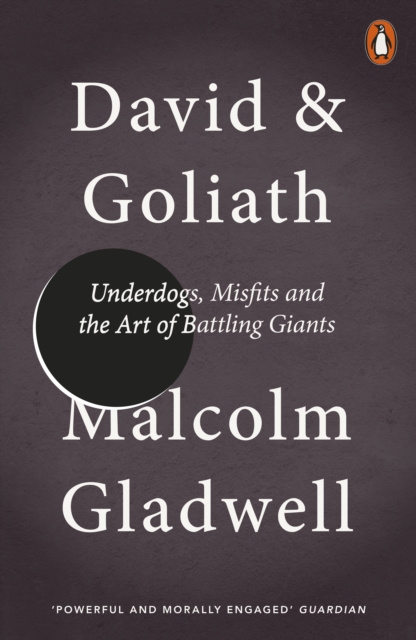
David and Goliath
KSh 2,350.00

Corruptible
KSh 2,350.00

Damaged but Not Destroyed
KSh 4,850.00

Antifragile
KSh 2,700.00
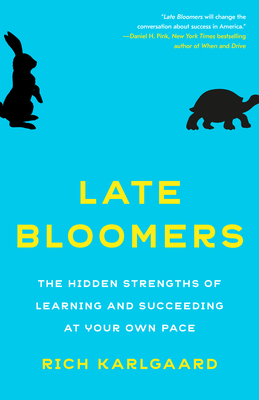
Late Bloomers
KSh 2,700.00

Mind Fixers – Psychiatry`s Troubled Search for the Biology of Mental Illness
KSh 2,900.00

The Life Of The Mind
KSh 3,950.00

Why You Act the Way You Do
KSh 1,600.00

Lost Girls
KSh 2,000.00

Dark Psychology and Manipulation
KSh 3,550.00
