Why Redistribution Fails
Book Details
Format
Paperback / softback
Book Series
Encounter Broadsides
ISBN-10
1594038732
ISBN-13
9781594038730
Publisher
Encounter Books,USA
Imprint
Encounter Books,USA
Country of Manufacture
GB
Country of Publication
GB
Publication Date
Nov 26th, 2015
Print length
48 Pages
Weight
56 grams
Product Classification:
Political science & theory
KSh 900.00
Re-Printing
0 in stock
Delivery Location
Delivery fee: Select location
Secure
Quality
Fast
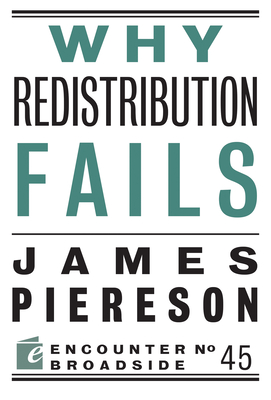
Democratic presidential candidates, including Hillary Clinton and Bernie Sanders, along with progressive economists like Thomas Piketty and Paul Krugman, have made a case for redistributing income from the wealthy to the poor as a means of reducing inequalities in income and wealth. Meanwhile, public opinion polls show that voters reject programs of redistribution in favor of policies designed to promote overall economic growth and job creation. While voters are concerned about inequality, they are more skeptical of the capacity of the government to do anything about it without making matters worse for everyone. In this Broadside, James Piereson explains why the voters are right and the progressive politicians and economists are wrong. As he demonstrates, the progressive case is based upon a serious fallacy: it assumes that the government is actually capable of redistributing income from the wealthy to the poor. For reasons of policy, tradition, and constitutional design, this is not the case. The United States currently has one of the more progressive income tax systems in the industrial world but it does little to redistribute income from the wealthy to the poor. One reason for this is that, though the government spends vast sums on programs to aid the poor, most of these funds flow to providers of services rather than to the poor themselves. Thus, whatever one may think of inequality, redistributive tax and spending policies are unlikely to do much to ameliorate it but will instead line the pockets of providers and advocates who wield great influence in Washington.
Democratic presidential candidates, including Hillary Clinton and Bernie Sanders, along with progressive economists like Thomas Piketty and Paul Krugman, have made a case for redistributing income from the wealthy to the poor as a means of reducing inequalities in income and wealth. Meanwhile, public opinion polls show that voters reject programs of redistribution in favor of policies designed to promote overall economic growth and job creation. While voters are concerned about inequality, they are more skeptical of the capacity of the government to do anything about it without making matters worse for everyone.
In this Broadside, James Piereson explains why the voters are right and the progressive politicians and economists are wrong. As he demonstrates, the progressive case is based upon a serious fallacy: it assumes that the government is actually capable of redistributing income from the wealthy to the poor. For reasons of policy, tradition, and constitutional design, this is not the case. The United States currently has one of the more progressive income tax systems in the industrial world but it does little to redistribute income from the wealthy to the poor. One reason for this is that, though the government spends vast sums on programs to aid the poor, most of these funds flow to providers of services rather than to the poor themselves. Thus, whatever one may think of inequality, redistributive tax and spending policies are unlikely to do much to ameliorate it but will instead line the pockets of providers and advocates who wield great influence in Washington.
In this Broadside, James Piereson explains why the voters are right and the progressive politicians and economists are wrong. As he demonstrates, the progressive case is based upon a serious fallacy: it assumes that the government is actually capable of redistributing income from the wealthy to the poor. For reasons of policy, tradition, and constitutional design, this is not the case. The United States currently has one of the more progressive income tax systems in the industrial world but it does little to redistribute income from the wealthy to the poor. One reason for this is that, though the government spends vast sums on programs to aid the poor, most of these funds flow to providers of services rather than to the poor themselves. Thus, whatever one may think of inequality, redistributive tax and spending policies are unlikely to do much to ameliorate it but will instead line the pockets of providers and advocates who wield great influence in Washington.
Get Why Redistribution Fails by James Piereson at the best price and quality guaranteed only at Werezi Africa's largest book ecommerce store. The book was published by Encounter Books,USA and it has 48 pages.
Customers Who Bought This Also Bought
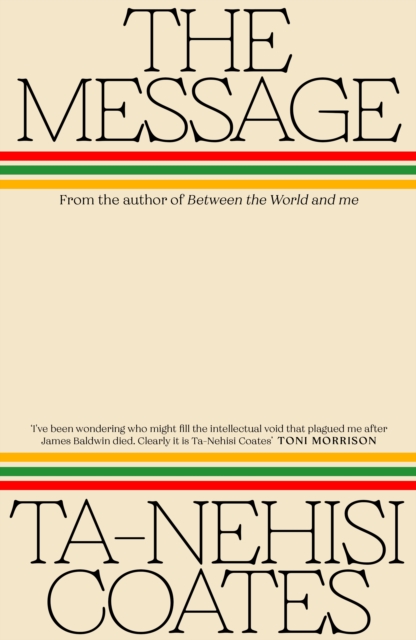
Message
KSh 3,400.00

Corruptible
KSh 2,350.00

On War
KSh 1,200.00

Abundance
KSh 2,150.00

The Republic
KSh 2,350.00
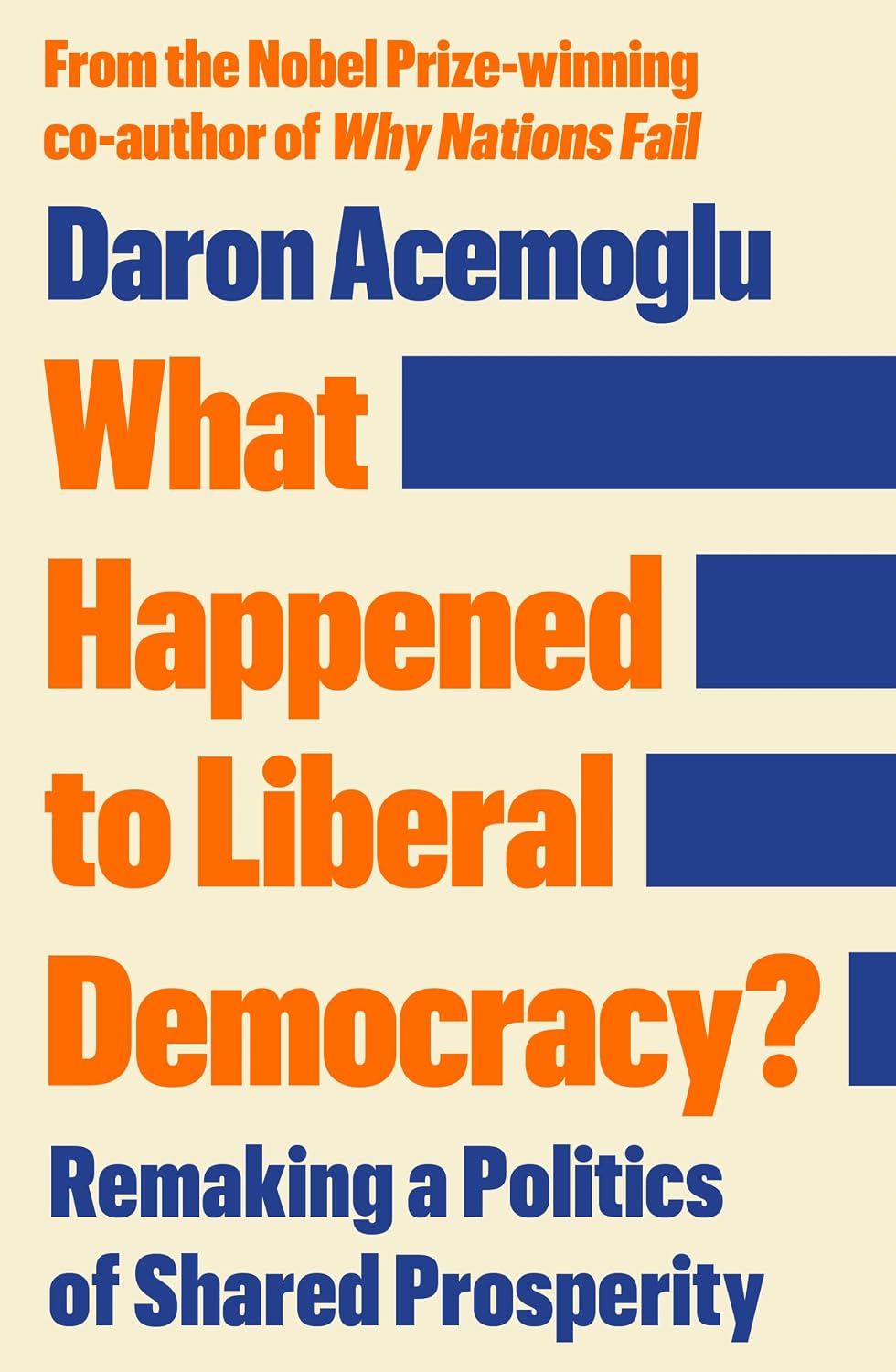
What Happened to Liberal Democracy?
KSh 3,050.00

Pedagogy of the Oppressed
KSh 2,000.00

Great Ideas Social Contract
KSh 1,450.00

Fire Next Time; Nobody Knows My Name ; No Name In The Street; The Devil Finds Work
KSh 3,400.00

The Body Politic
KSh 700.00

The Prince The Original Classic
KSh 2,150.00
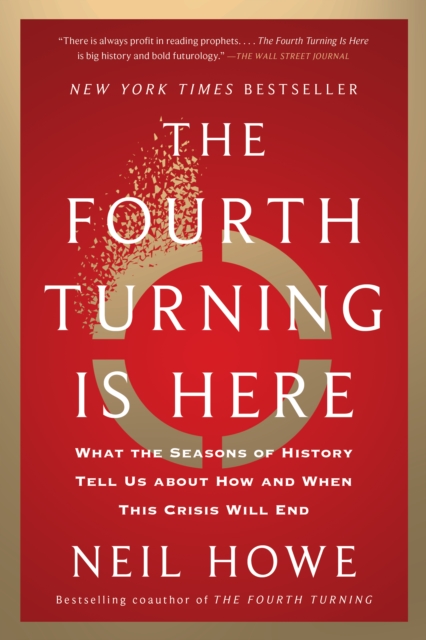
The Fourth Turning Is Here
KSh 2,600.00