

Why Regional Orders Do Not Transform : A Century of Conflict in the Middle East and North Africa
Book Details
Format
Hardback
ISBN-10
0755658760
ISBN-13
9780755658763
Publisher
Bloomsbury Publishing PLC
Imprint
Bloomsbury Publishing PLC
Country of Manufacture
GB
Country of Publication
GB
Publication Date
Aug 20th, 2026
Print length
256 Pages
Weight
421 grams
Product Classification:
Political science & theoryPolitical science and theoryInternational relations
KSh 16,450.00
Currently unavailable
0 in stock
Delivery Location
Delivery fee: Select location
Secure
Quality
Fast
Uses international relations theory to explain why the MENA regional order has been undergoing change over the last century that has not led to transformation.
MENA regional order has changed over the last century. However, there has been little structural transformation so existing rules and systems have not been altered. This book examines why despite so much change in the MENA - in the form of wars, economic decline and revival as well as massive societal uprisings - the regional order has not really moved beyond a conflict zone classification. Covering one hundred years from 1922 (the date of the partition of the Ottoman Empire) to 2022, the authors forward an analytical framework and suggest three phases in the regional order and what factors might move the MENA into another categorical order. The analysis offers important theoretical contributions on how dynamism and stasis in regional orders interact and the book offers a new understanding of the concepts of ''rivalry field'' and ''conflict axis''.
Get Why Regional Orders Do Not Transform by Imad Mansour, William R. Thompson at the best price and quality guaranteed only at Werezi Africa's largest book ecommerce store. The book was published by Bloomsbury Publishing PLC and it has 256 pages.
Customers Who Bought This Also Bought
Message
KSh 3,400.00
Corruptible
KSh 2,350.00

On War
KSh 1,200.00

Abundance
KSh 2,150.00

The Republic
KSh 2,350.00
What Happened to Liberal Democracy?
KSh 3,050.00

Pedagogy of the Oppressed
KSh 2,000.00

Great Ideas Social Contract
KSh 1,450.00

Fire Next Time; Nobody Knows My Name ; No Name In The Street; The Devil Finds Work
KSh 3,400.00

The Body Politic
KSh 700.00

The Prince The Original Classic
KSh 2,150.00
The Fourth Turning Is Here
KSh 2,600.00
More by Imad Mansour, William R. Thompson

The Geography of Power
KSh 19,800.00
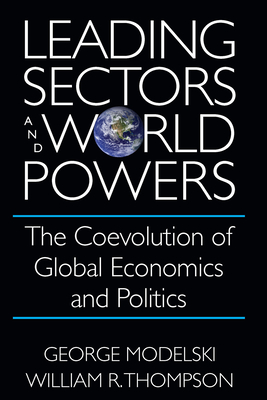
Leading Sectors and World Powers
KSh 7,200.00

American Global Pre-Eminence
KSh 17,000.00

Seapower in Global Politics, 1494–1993
KSh 14,200.00

The Geography of Power
KSh 7,200.00

Limits to Globalization
KSh 8,800.00
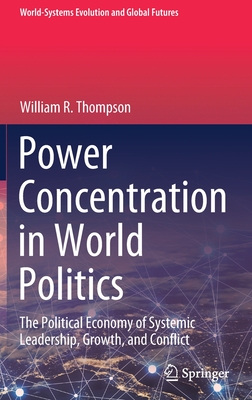
Power Concentration in World Politics
KSh 18,000.00

Strategic Rivalries in World Politics
KSh 17,800.00

Statecraft in the Middle East
KSh 24,900.00

Strategic Rivalries in World Politics
KSh 7,000.00

The Sino-Indian Rivalry
KSh 13,300.00
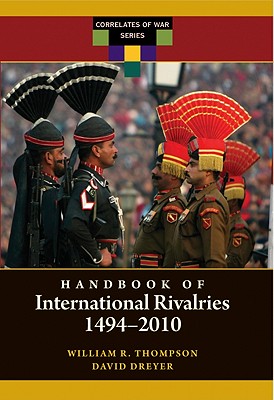
Handbook of International Rivalries
KSh 28,800.00
