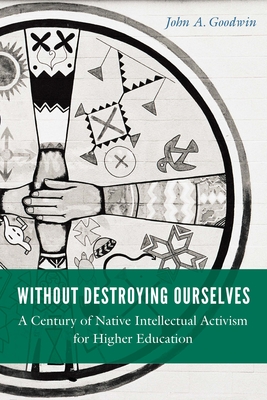
Without Destroying Ourselves : A Century of Native Intellectual Activism for Higher Education
Book Details
Format
Paperback / softback
Book Series
Indigenous Education
ISBN-10
1496244990
ISBN-13
9781496244994
Publisher
University of Nebraska Press
Imprint
University of Nebraska Press
Country of Manufacture
GB
Country of Publication
GB
Publication Date
Jan 1st, 2026
Print length
268 Pages
Product Classification:
20th century history: c 1900 to c 2000Social & cultural historyEthnic groups and multicultural studiesIndigenous peoples / IndigeneityEthnic minorities & multicultural studiesIndigenous peoplesHistory of educationHigher & further education, tertiary educationHigher education, tertiary educationHistorySocial and cultural history
KSh 4,300.00
Currently unavailable
0 in stock
Delivery Location
Delivery fee: Select location
Secure
Quality
Fast
Chronicling Native activism in higher education, the work follows Indigenous intellectual movements from early 1900s visions to tribal college accreditation in the late 1970s. It reveals leaders who advanced self-determination by nurturing Native identity without sacrificing its essence.
Without Destroying Ourselves is an intellectual history of Native activism seeking greater access to and control of higher education in the twentieth century. John A. Goodwin traces themes of Henry Roe Cloud’s (Ho-Chunk) vision for Native intellectual leadership and empowerment in the early 1900s to the later missions of tribal colleges and universities (TCUs) and education-based self-determination movements of the 1960s onward.
Vital to Cloud’s work was the idea of how to build from Native identity and adapt without destroying that identity. As the central themes of the movement for Native control in higher education developed over the course of several decades, a variety of Native activists carried Cloud’s vision forward. Goodwin explores how Elizabeth Bender Cloud (Ojibwe), D’Arcy McNickle (Salish Kootenai), Jack Forbes (Powhatan-RenapÉ, Delaware Lenape), and others built on and contributed to this common thread of Native intellectual activism.
Goodwin demonstrates that Native activism for self-determination was never snuffed out by the swing of the federal government’s pendulum away from tribal governance and toward termination. Moreover, efforts for Native control in education remained a vital aspect of that activism. Without Destroying Ourselves documents this period through the full accreditation of TCUs in the late 1970s and reinforces TCUs’ continuing relevance in confronting the unique needs and challenges of Native communities today.
Vital to Cloud’s work was the idea of how to build from Native identity and adapt without destroying that identity. As the central themes of the movement for Native control in higher education developed over the course of several decades, a variety of Native activists carried Cloud’s vision forward. Goodwin explores how Elizabeth Bender Cloud (Ojibwe), D’Arcy McNickle (Salish Kootenai), Jack Forbes (Powhatan-RenapÉ, Delaware Lenape), and others built on and contributed to this common thread of Native intellectual activism.
Goodwin demonstrates that Native activism for self-determination was never snuffed out by the swing of the federal government’s pendulum away from tribal governance and toward termination. Moreover, efforts for Native control in education remained a vital aspect of that activism. Without Destroying Ourselves documents this period through the full accreditation of TCUs in the late 1970s and reinforces TCUs’ continuing relevance in confronting the unique needs and challenges of Native communities today.
Get Without Destroying Ourselves by John A. Goodwin at the best price and quality guaranteed only at Werezi Africa's largest book ecommerce store. The book was published by University of Nebraska Press and it has 268 pages.
Customers Who Bought This Also Bought

Gulag Archipelago
KSh 2,700.00

Churchill
KSh 3,700.00

Modern Africa
KSh 11,500.00

Kairos
KSh 1,800.00

Spy and the Traitor
KSh 2,150.00
Crusade for Justice – The Autobiography of Ida B. Wells, Second Edition
KSh 4,050.00

Killers of the Flower Moon
KSh 2,000.00

The Origins of Totalitarianism
KSh 2,700.00

On Tyranny
KSh 2,000.00

Gandhi 1914-1948
KSh 3,950.00

Warmth of Other Suns
KSh 3,050.00
Trapped in History
KSh 2,350.00