
Wittgenstein's Artillery : Philosophy as Poetry
Book Details
Format
Hardback or Cased Book
ISBN-10
0262045834
ISBN-13
9780262045834
Publisher
MIT Press Ltd
Imprint
MIT Press
Country of Manufacture
GB
Country of Publication
GB
Publication Date
Aug 3rd, 2021
Print length
264 Pages
Weight
576 grams
Dimensions
15.80 x 23.60 x 2.30 cms
Product Classification:
Philosophy
Ksh 7,750.00
Not available
Delivery in 14 days
1 copies in stock
Delivery Location
Delivery fee: Select location
Delivery in 14 days
Secure
Quality
Fast
How Wittgenstein sought a more effective way of reaching his audience by a poetic style of doing philosophy.
Ludwig Wittgenstein once said, "Really one should write philosophy only as one writes poetry." In Wittgenstein''s Artillery, James Klagge shows how, in search of ways to reach his audience, Wittgenstein tried a more poetic style of doing philosophy. Klagge argues that, deploying this new philosophical "artillery"--Klagge''s term for Wittgenstein''s methods of influencing his readers and students--Wittgenstein moved from an esoteric mode to an evangelical mode, aiming for an effect on his audience that was noncognitive, appealing to the temperament in addition to the intellect.
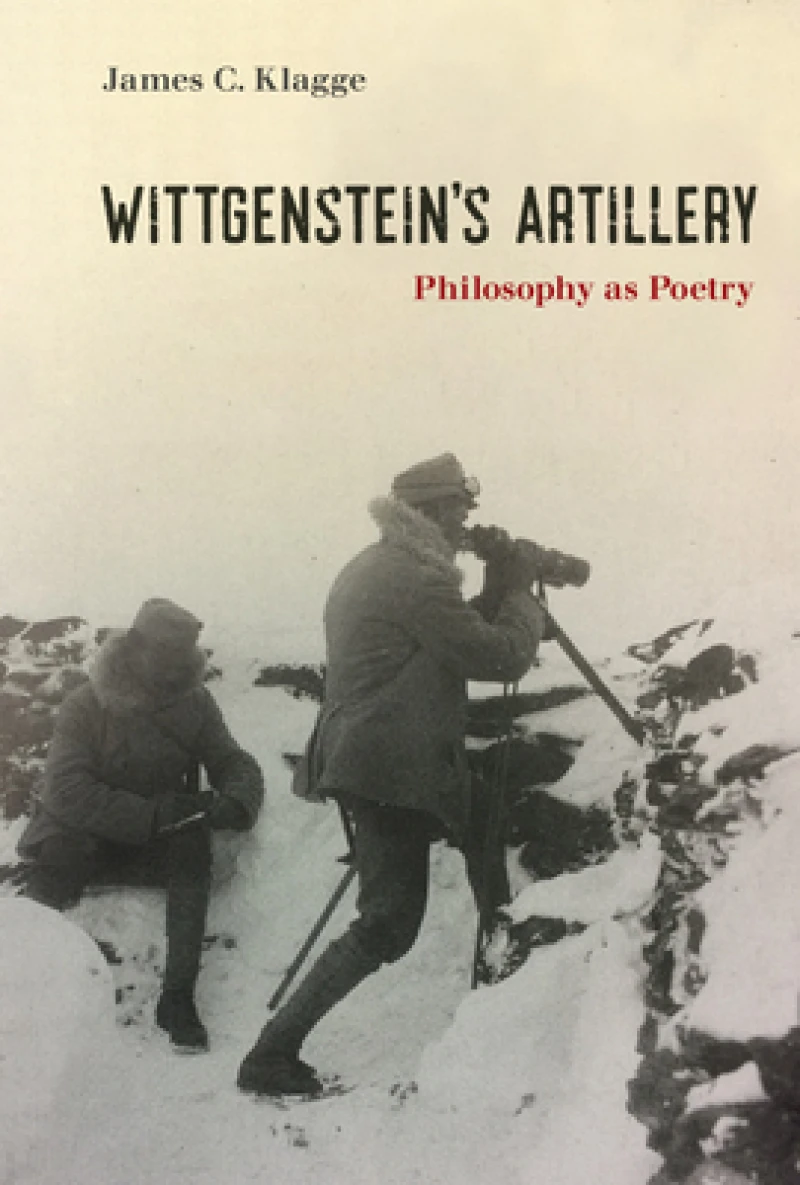
Wittgenstein was an artillery spotter--directing artillery fire to targets--in the Austrian army during World War I, and Klagge argues that, years later, he became a philosophical spotter, struggling to find the right artillery to accomplish his philosophical purpose. Klagge shows how Wittgenstein''s work with his students influenced his style of writing philosophy and motivated him to care about the effect of his ideas on his audience. To illustrate Wittgenstein''s evolving approach, Klagge draws on not only Wittgenstein''s best-known works but also such lesser-known material as notebooks, dictations, lectures, and recollections of students. Klagge then goes beyond Wittgenstein to present a range of literature--biblical parables and children''s stories, Dostoevsky and Tolstoy, Kierkegaard and Nietzsche--as other examples of the poetic approach. He concludes by offering his own attempts at a poetic approach to addressing philosophical issues.
Ludwig Wittgenstein once said, "Really one should write philosophy only as one writes poetry." In Wittgenstein''s Artillery, James Klagge shows how, in search of ways to reach his audience, Wittgenstein tried a more poetic style of doing philosophy. Klagge argues that, deploying this new philosophical "artillery"--Klagge''s term for Wittgenstein''s methods of influencing his readers and students--Wittgenstein moved from an esoteric mode to an evangelical mode, aiming for an effect on his audience that was noncognitive, appealing to the temperament in addition to the intellect.
Wittgenstein was an artillery spotter--directing artillery fire to targets--in the Austrian army during World War I, and Klagge argues that, years later, he became a philosophical spotter, struggling to find the right artillery to accomplish his philosophical purpose. Klagge shows how Wittgenstein''s work with his students influenced his style of writing philosophy and motivated him to care about the effect of his ideas on his audience. To illustrate Wittgenstein''s evolving approach, Klagge draws on not only Wittgenstein''s best-known works but also such lesser-known material as notebooks, dictations, lectures, and recollections of students. Klagge then goes beyond Wittgenstein to present a range of literature--biblical parables and children''s stories, Dostoevsky and Tolstoy, Kierkegaard and Nietzsche--as other examples of the poetic approach. He concludes by offering his own attempts at a poetic approach to addressing philosophical issues.
Get Wittgenstein's Artillery by at the best price and quality guaranteed only at Werezi Africa's largest book ecommerce store. The book was published by MIT Press Ltd and it has pages.

