
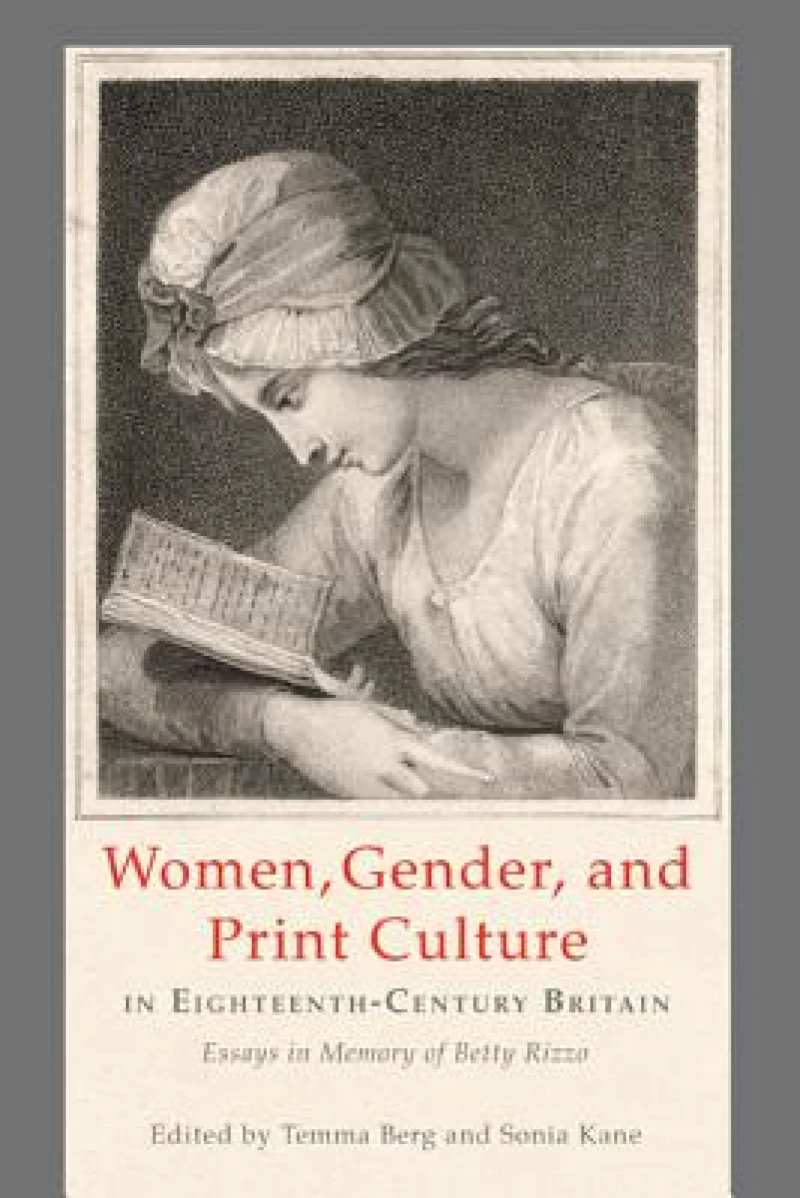
Women, Gender, and Print Culture in Eighteenth-Century Britain : Essays in Memory of Betty Rizzo
Book Details
Format
Hardback or Cased Book
ISBN-10
1611461413
ISBN-13
9781611461411
Publisher
Lehigh University Press
Imprint
Lehigh University Press
Country of Manufacture
GB
Country of Publication
GB
Publication Date
Oct 3rd, 2013
Print length
352 Pages
Weight
670 grams
Dimensions
16.10 x 23.60 x 3.00 cms
Product Classification:
Literary studies: c 1500 to c 1800
Ksh 21,450.00
Manufactured on Demand
0 in stock
Delivery Location
Delivery fee: Select location
Secure
Quality
Fast
This edited collection, a tribute to the late noted eighteenth-century scholar Betty Rizzo, testifies to her influence as a researcher, writer, teacher, and mentor. The essays, written by a range of established and younger eighteenth-century specialists, expand on the themes important to Rizzo: the importance of the archive, the contributions of women writers to the canon of eighteenth-century literature and to an emerging print culture, the sometimes fraught relations within the eighteenth-century family, the relationship between life and literature, and, finally, the role of female companionship in women’s lives. Divided into three sections, “Living in the Eighteenth-Century Novel,” “Living in the Eighteenth-Century World,” and “Afterlives,” the fourteen essays that form the body of the collection treat such topics as epistolarity, fraternal relations in novels and in families, women and travel in Jane Austen’s novels, the pleasures and challenges of searching through archives to understand the complex entanglements of eighteenth-century families, the changing reception of Alexander Pope’s poetry, and intersections among race, class, gender, and sexuality in a famous early-nineteenth-century Scottish libel case. The final essay of the fourteen connects the archetypal eighteenth-century figure of the seduced and abandoned woman to Sophie Calle’s 2007 Venice Biennale exhibition entitled Take Care of Yourself, which the author reads as a direct descendant of the eighteenth-century letter novel. The book is framed by an introduction that situates the book as part of the ongoing redefinition of the archive of eighteenth-century literature and an afterword that gives a personal account of Rizzo’s career and her indelible legacy as friend, mentor, and professional model. The contributors use a variety of methods in their scholarship, but a common strand is archival research and close reading inflected by feminist analysis. The book will appeal to students and scholars of eighteenth-century British literature and culture and to those interested in women’s writing and women’s relationships in the eighteenth century—and today—and in feminist literary history. The contributors to the volume practice the kind of scholarship Rizzo was known for—painstaking archival research and attention to the nuances of relationships among eighteenth-century women (and men)—and in so doing shed new light on a number of familiar and not-so-familiar eighteenth-century texts.
This edited collection, a tribute to the late noted eighteenth-century scholar Betty Rizzo, testifies to her influence as a researcher, writer, teacher, and mentor. The essays, written by a range of established and younger eighteenth-century specialists, expand on the themes important to Rizzo: the importance of the archive, the contributions of women writers to the canon of eighteenth-century literature and to an emerging print culture, the sometimes fraught relations within the eighteenth-century family, the relationship between life and literature, and, finally, the role of female companionship in women’s lives. Divided into three sections, “Living in the Eighteenth-Century Novel,” “Living in the Eighteenth-Century World,” and “Afterlives,” the fourteen essays that form the body of the collection treat such topics as epistolarity, fraternal relations in novels and in families, women and travel in Jane Austen’s novels, the pleasures and challenges of searching through archives to understand the complex entanglements of eighteenth-century families, the changing reception of Alexander Pope’s poetry, and intersections among race, class, gender, and sexuality in a famous early-nineteenth-century Scottish libel case. The final essay of the fourteen connects the archetypal eighteenth-century figure of the seduced and abandoned woman to Sophie Calle’s 2007 Venice Biennale exhibition entitled Take Care of Yourself, which the author reads as a direct descendant of the eighteenth-century letter novel. The book is framed by an introduction that situates the book as part of the ongoing redefinition of the archive of eighteenth-century literature and an afterword that gives a personal account of Rizzo’s career and her indelible legacy as friend, mentor, and professional model. The contributors use a variety of methods in their scholarship, but a common strand is archival research and close reading inflected by feminist analysis. The book will appeal to students and scholars of eighteenth-century British literature and culture and to those interested in women’s writing and women’s relationships in the eighteenth century—and today—and in feminist literary history. The contributors to the volume practice the kind of scholarship Rizzo was known for—painstaking archival research and attention to the nuances of relationships among eighteenth-century women (and men)—and in so doing shed new light on a number of familiar and not-so-familiar eighteenth-century texts.
Get Women, Gender, and Print Culture in Eighteenth-Century Britain by at the best price and quality guaranteed only at Werezi Africa's largest book ecommerce store. The book was published by Lehigh University Press and it has pages.

