
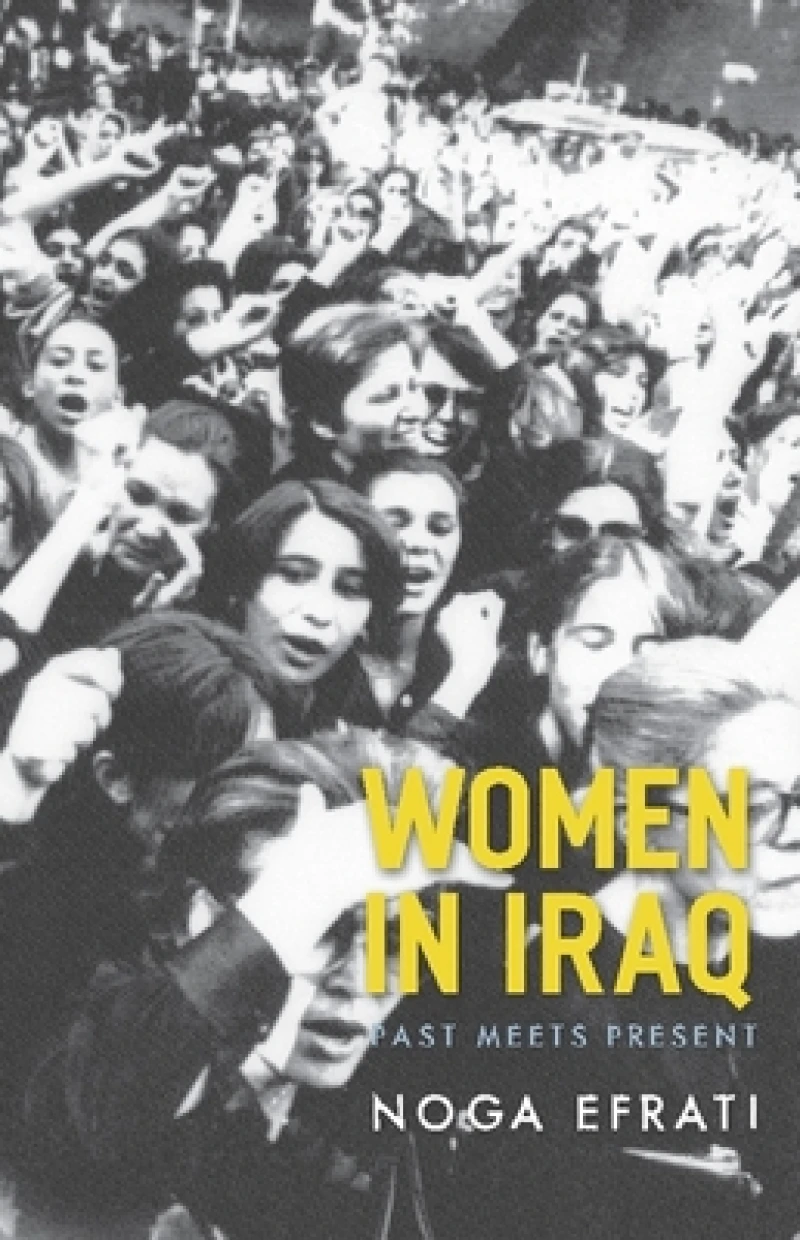
Women in Iraq : Past Meets Present
by
Noga Efrati
Book Details
Format
Hardback or Cased Book
ISBN-10
0231158149
ISBN-13
9780231158145
Publisher
Columbia University Press
Imprint
Columbia University Press
Country of Manufacture
US
Country of Publication
GB
Publication Date
Jan 24th, 2012
Print length
256 Pages
Weight
464 grams
Dimensions
23.50 x 15.80 x 2.00 cms
Product Classification:
Social & cultural historyGender studies: women
Ksh 9,900.00
Werezi Extended Catalogue
0 in stock
Delivery Location
Delivery fee: Select location
Secure
Quality
Fast
Noga Efrati outlines the first social and political history of women in Iraq during the periods of British occupation and the British-backed Hashimite monarchy (1917-1958). She traces the harsh and long-lasting implications of British state building on Iraqi women, particularly their legal and political enshrinement as second-class citizens, and the struggle by women's rights activists to counter this precedent. Efrati concludes with a discussion of post-Saddam Iraq and the women's associations now claiming their place in government. Finding common threads between these two generations of women, Efrati underscores the organic roots of the current fight for gender equality shaped by a memory of oppression under the monarchy. Efrati revisits the British strategy of efficient rule, largely adopted by the Iraqi government they erected and the consequent gender policy that emerged. The attempt to control Iraq through "authentic leaders"-giving them legal and political powers-marginalized the interests of women and virtually sacrificed their well-being altogether. Iraqi women refused to resign themselves to this fate. From the state's early days, they drew attention to the biases of the Tribal Criminal and Civil Disputes Regulation (TCCDR) and the absence of state intervention in matters of personal status and resisted women's disenfranchisement. Following the coup of 1958, their criticism helped precipitate the dissolution of the TCCDR and the ratification of the Personal Status Law. A new government gender discourse shaped by these past battles arose, yet the U.S.-led invasion of 2003, rather than helping cement women's rights into law, reinstated the British approach. Pressured to secure order and reestablish a pro-Western Iraq, the Americans increasingly turned to the country's "authentic leaders" to maintain control while continuing to marginalize women. Efrati considers Iraqi women's efforts to preserve the progress they have made, utterly defeating the notion that they have been passive witnesses to history.
Get Women in Iraq by at the best price and quality guaranteed only at Werezi Africa's largest book ecommerce store. The book was published by Columbia University Press and it has pages.

