
Work, Class, and Power in the Borderlands of the Early American Pacific : The Labors of Empire
by
Evan Lampe
Book Details
Format
Hardback or Cased Book
ISBN-10
0739182412
ISBN-13
9780739182413
Publisher
Bloomsbury Publishing Plc
Imprint
Lexington Books
Country of Manufacture
GB
Country of Publication
GB
Publication Date
Dec 12th, 2013
Print length
222 Pages
Weight
478 grams
Dimensions
15.90 x 23.60 x 2.30 cms
Product Classification:
History of the AmericasAustralasian & Pacific historySocial groupsHuman geography
Ksh 19,300.00
Manufactured on Demand
0 in stock
Delivery Location
Delivery fee: Select location
Secure
Quality
Fast
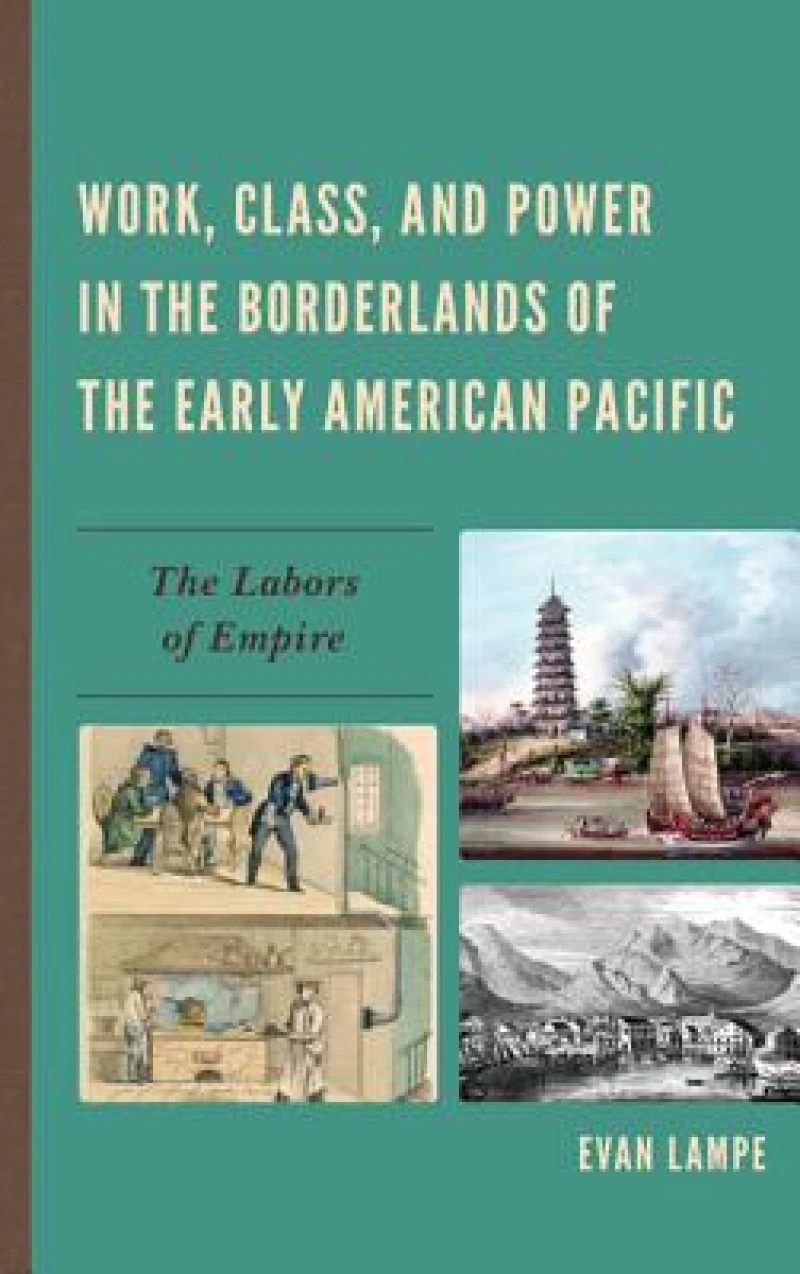
This book traces the history of working people who helped established the foundation of the American empire in the Pacific from its origins after the American Revolution to its coming of age in the 1840s and 1850s. Beginning with the expeditions of the Columbia and the Lady Washington, Lampe argues that the early American Pacific can best be considered through the interaction of four major locations, connected through the networks of trade: the merchant ship, the Northwest Coast, Honolulu, and Canton (Guangzhou). In each of these locations, the labors of a diverse population of working people was harnessed in the critical labors of empire building, including the transportation of goods. The central question that the consideration of working people in the Pacific economy during this period is, Lampe argues, the role of power applied on these laborers by an international capitalist class, emerging alongside the Pacific commercial empires. Lampe also finds that this power was not uncontested and emerged in response to the activities of labor. Working people, on the ship and in the port cities, found ways to secure their piece of the profitable trade, often through illicit means.
This book traces the history of working people who helped established the foundation of the American empire in the Pacific from its origins after the American Revolution to its coming of age in the 1840s and 1850s. Beginning with the expeditions of the Columbia and the Lady Washington, Lampe argues that the early American Pacific can best be considered through the interaction of four major locations, connected through the networks of trade: the merchant ship, the Northwest Coast, Honolulu, and Canton (Guangzhou). In each of these locations, the labors of a diverse population of working people was harnessed in the critical labors of empire building, including the transportation of goods. The central question that the consideration of working people in the Pacific economy during this period is, Lampe argues, the role of power applied on these laborers by an international capitalist class, emerging alongside the Pacific commercial empires. Lampe also finds that this power was not uncontested and emerged in response to the activities of labor. Working people, on the ship and in the port cities, found ways to secure their piece of the profitable trade, often through illicit means.
Get Work, Class, and Power in the Borderlands of the Early American Pacific by at the best price and quality guaranteed only at Werezi Africa's largest book ecommerce store. The book was published by Bloomsbury Publishing Plc and it has pages.

