Written Out : The Silencing of Regina Gelana Twala
Book Details
Delivery Location
Delivery fee: Select location
Delivery in 12 days
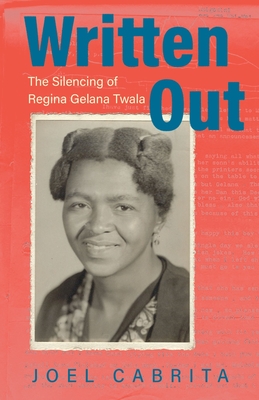
Systemic racism and sexism caused one of South Africa’s most important writers to disappear from public consciousness. Is it possible to justly restore her historical presence?
Regina Gelana Twala, a Black South African woman who died in 1968 in Swaziland (now Eswatini), was an extraordinarily prolific writer of books, columns, articles, and letters. Yet today Twala’s name is largely unknown. Her literary achievements are forgotten. Her books are unpublished. Her letters languish in the dusty study of a deceased South African academic. Her articles are buried in discontinued publications.
Joel Cabrita asserts that Twala’s posthumous obscurity has not developed accidentally as she exposes the ways prejudices around race and gender blocked Black African women like Twala from establishing themselves as successful writers. Drawing upon Twala’s family papers, interviews, newspapers, and archival records from Pretoria, Uppsala, and Los Angeles, Cabrita argues that an entire cast of characters-censorious editors, territorial White academics, apartheid officials, and male African politicians whose politics were at odds with her own-conspired to erase Twala’s legacy. Through her unique documentary output, Twala marked herself as a radical voice on issues of gender, race, and class. The literary gatekeepers of the racist and sexist society of twentieth-century southern Africa clamped down by literally writing her out of the region’s history.
Written Out also scrutinizes the troubled racial politics of African history as a discipline that has been historically dominated by White academics, a situation that many people within the field are now examining critically. Inspired by this recent movement, Cabrita interrogates what it means for her-a White historian based in the Northern Hemisphere-to tell the story of a Black African woman. Far from a laudable “recovery” of an important lost figure, Cabrita acknowledges that her biography inevitably reproduces old dynamics of White scholarly privilege and dominance. Cabrita’s narration of Twala’s career resurrects it but also reminds us that Twala, tragically, is still not the author of her own life story.
Get Written Out by Joel Cabrita at the best price and quality guaranteed only at Werezi Africa's largest book ecommerce store. The book was published by Ohio University Press and it has 344 pages.
Customers Who Bought This Also Bought
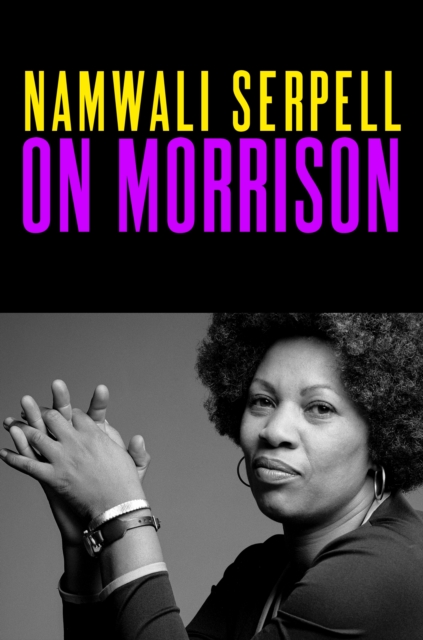
On Morrison
KSh 4,500.00
C. S. Lewis
KSh 1,800.00
Pocket Maya Angelou Wisdom
KSh 1,450.00

C. S. Lewis: A Life
KSh 2,500.00
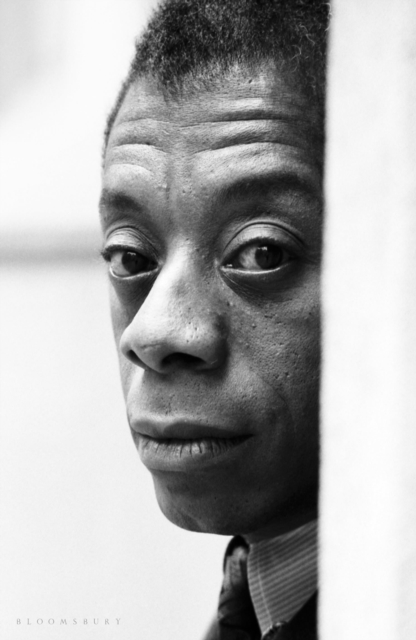
Baldwin: A Love Story
KSh 5,400.00
The Real Roald Dahl
KSh 2,350.00

Pigeon Tunnel
KSh 2,350.00
Maya Angelou
KSh 15,300.00
Living to Tell the Tale
KSh 1,800.00
Judy Blume
KSh 4,500.00

Somewhere, A Boy And A Bear
KSh 4,500.00
Mantel Pieces
KSh 2,000.00