Wrongful Discrimination
Book Details
Format
Hardback
Book Series
Elements in Political Philosophy
ISBN-10
1009596721
ISBN-13
9781009596725
Publisher
Cambridge University Press
Imprint
Cambridge University Press
Country of Manufacture
GB
Country of Publication
GB
Publication Date
Jan 22nd, 2026
Print length
82 Pages
Weight
255 grams
Dimensions
22.90 x 15.20 x 0.60 cms
KSh 10,050.00
Not Yet Published
0 in stock
Delivery Location
Delivery fee: Select location
Secure
Quality
Fast
This Element critically examines leading normative accounts of group discrimination-harm, disrespect, and inequality-and their explanatory limits in non-paradigmatic cases such as indirect, implicit, and algorithmic discrimination. It argues against the viability of a unified theory of wrongfulness.
In a generic sense, to discriminate is to differentiate. Generic discrimination is not wrongful. But many instances of a more specific form of discrimination – differentiating between people because they are members of different socially salient groups (henceforth: group discrimination) – are wrongful. This means that people subjected to group discrimination are often wronged, and this bears importantly on whether such acts are morally impermissible. The three main accounts of what makes group discrimination wrongful appeal to considerations of harm, disrespect, and social relations of inequality, respectively. While each of them can explain the wrongfulness of some paradigmatic instances of wrongful direct discrimination, they explain the wrongfulness of a set of three important non-paradigmatic forms of discrimination – indirect discrimination, implicit bias, and algorithmic discrimination – less well. Overall, the prospects of a monistic account of the wrongfulness of discrimination are bleak.
Get Wrongful Discrimination by Kasper Lippert-Rasmussen at the best price and quality guaranteed only at Werezi Africa's largest book ecommerce store. The book was published by Cambridge University Press and it has 82 pages.
Customers Who Bought This Also Bought

End of History and the Last Man
KSh 2,700.00

12 Rules for Life
KSh 2,350.00
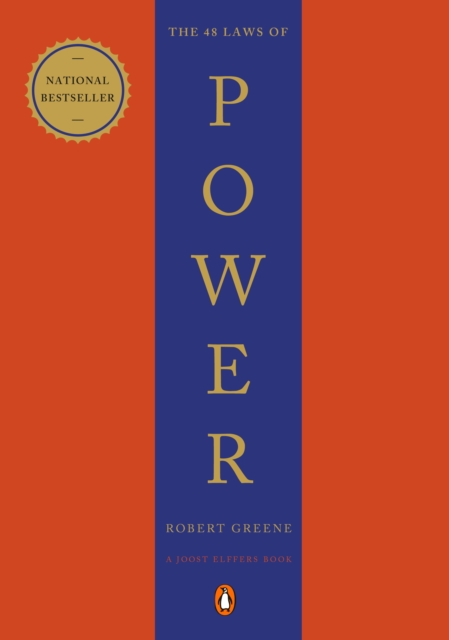
The 48 Laws of Power
KSh 4,700.00

Second Treatise of Government – Norton Library
KSh 1,600.00
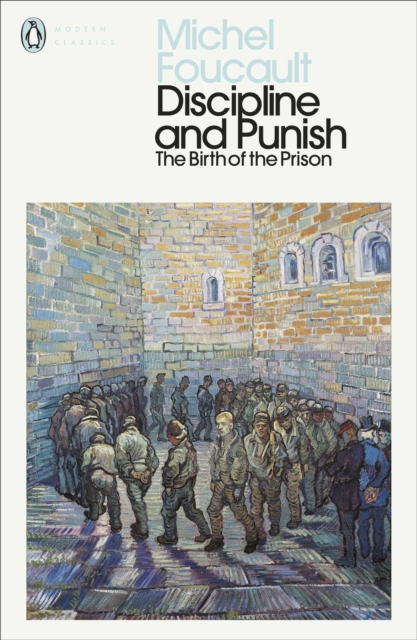
Discipline and Punish
KSh 2,350.00

The Prince The Original Classic
KSh 2,150.00
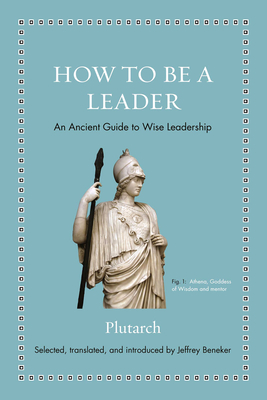
How to Be a Leader – An Ancient Guide to Wise Leadership
KSh 2,800.00

The Origin of Others
KSh 3,600.00
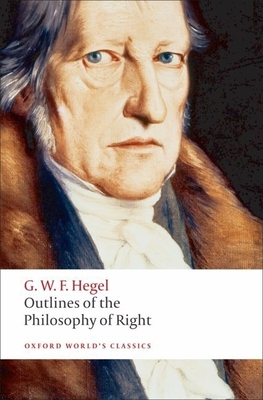
Outlines of the Philosophy of Right
KSh 2,500.00
How Fascism Works
KSh 2,900.00

The Prince
KSh 1,800.00

Who''s Afraid of Gender?
KSh 2,350.00