
Cart 0
Biobased Products from Food Sector Waste
Click to zoom

Share this book

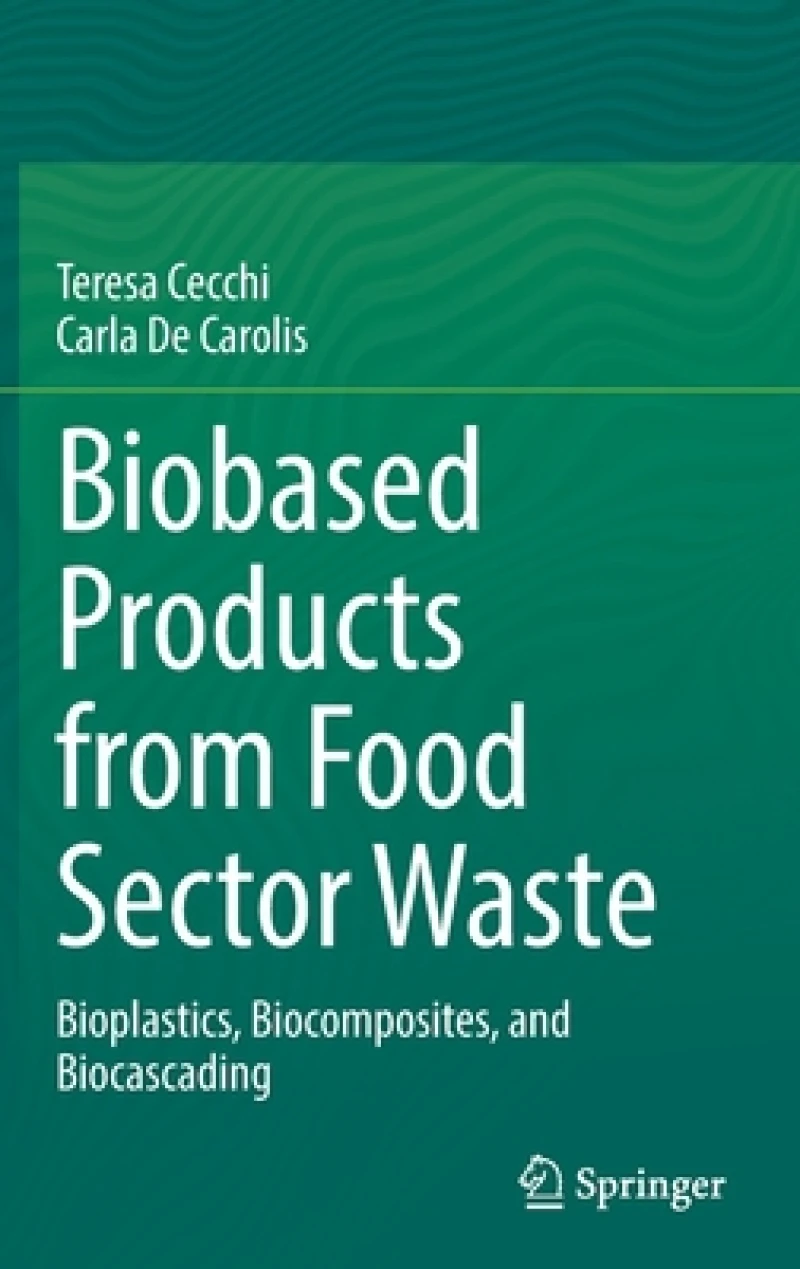
Biobased Products from Food Sector Waste : Bioplastics, Biocomposites, and Biocascading

2021 ed.

Book Details

Format Hardback or Cased Book
ISBN-10 3030634353
ISBN-13 9783030634353
Edition 2021 ed.
Publisher Springer Nature Switzerland AG
Imprint Springer Nature Switzerland AG
Country of Manufacture GB
Country of Publication GB
Publication Date Oct 19th, 2021
Print length 427 Pages
Ksh 28,800.00
Werezi Extended Catalogue Delivery in 28 days

Delivery Location

Delivery fee: Select location

Delivery in 28 days

Secure
Quality
Fast
In the past, food waste has been used to produce biogas and biofuels, fertilizers, and animal feed. Using it as a feedstock for innovative biorefineries is not only an ethical issue but also a smart application of the circular economy. This book explores the zero-waste concept in the thriving biobased sector, proposing technologies and procedures to meet the sustainable development goals. The volume categorizes food waste sources and proposes an impressive number of high value-added compounds (e.g., platform chemicals, enzymes, nutraceuticals, antioxidants, organic acids, phosphate, bioadsorbents, pectin, solvents, and pigments) that can be obtained in a sequential biocascade, via chemical, biochemical, thermal, and physical technologies. The synthesis of bioplastics from food waste, their copolymerization and blending, as well as the production of biocomposites and bionanocomposite with biofillers from food scraps, are presented: eluding the cost of waste disposal, reducing biobased materials price, and avoiding using edible resources as a starting material for biobased items are the main beneficial peculiarities of the process. The Authors illustrate challenging characteristics of new biobased materials, such as their mechanical and physico-chemical features, their biodegradability, compostability, recyclability, chemical compatibility, and barrier properties. The volume also delves into socioeconomic considerations and environmental concerns related to the upcycling of food waste, as well as the safety and life cycle assessment of biobased products. Finally, the authors address how advances in digital technology can make food waste upcycling a negative-cost process and discuss best practices to practically implement the biorefinery concept. Research gaps and needs are suggested, and recommendations for food waste handling and management during this COVID-19 pandemic are provided.

In the past, food waste has been used to produce biogas and biofuels, fertilizers, and animal feed. Using it as a feedstock for innovative biorefineries is not only an ethical issue but also a smart application of the circular economy. This book explores the zero-waste concept in the thriving biobased sector, proposing technologies and procedures to meet the sustainable development goals.

The volume categorizes food waste sources and proposes an impressive number of high value-added compounds (e.g., platform chemicals, enzymes, nutraceuticals, antioxidants, organic acids, phosphate, bioadsorbents, pectin, solvents, and pigments) that can be obtained in a sequential biocascade, via chemical, biochemical, thermal, and physical technologies.

The synthesis of bioplastics from food waste, their copolymerization and blending, as well as the production of biocomposites and bionanocomposite with biofillers from food scraps, are presented: eluding the cost of waste disposal, reducing biobased materials price, and avoiding using edible resources as a starting material for biobased items are the main beneficial peculiarities of the process. The Authors illustrate challenging characteristics of new biobased materials, such as their mechanical and physico-chemical features, their biodegradability, compostability, recyclability, chemical compatibility, and barrier properties. 

The volume also delves into socioeconomic considerations and environmental concerns related to the upcycling of food waste, as well as the safety and life cycle assessment of biobased products. Finally, the authors address how advances in digital technology can make food waste upcycling a negative-cost process and discuss best practices to practically implement the biorefinery concept. Research gaps and needs are suggested, and recommendations for food waste handling and management during this COVID-19 pandemic are provided.


Get Biobased Products from Food Sector Waste by at the best price and quality guaranteed only at Werezi Africa's largest book ecommerce store. The book was published by Springer Nature Switzerland AG and it has pages.


Mind, Body, & Spirit

Price

Ksh 28,800.00

Shopping Cart

Africa largest book store

Sub Total:
Ebooks

Digital Library
Coming Soon

Our digital collection is currently being curated to ensure the best possible reading experience on Werezi. We'll be launching our Ebooks platform shortly.