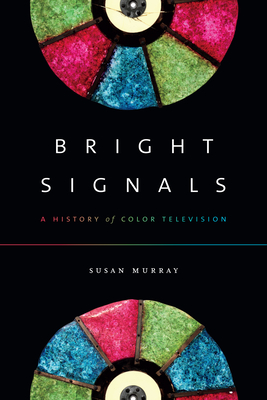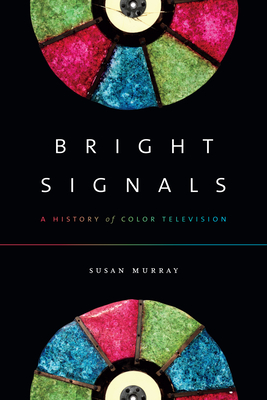
Bright Signals : A History of Color Television
by
Susan Murray
Book Details
Format
Paperback / softback
Book Series
Sign, Storage, Transmission
ISBN-10
0822371308
ISBN-13
9780822371304
Publisher
Duke University Press
Imprint
Duke University Press
Country of Manufacture
US
Country of Publication
GB
Publication Date
Jun 12th, 2018
Print length
277 Pages
Weight
598 grams
Dimensions
15.50 x 23.20 x 2.30 cms
Product Classification:
TelevisionMedia studiesTelevision technology
KSh 4,250.00
Currently unavailable
0 in stock
Delivery Location
Delivery fee: Select location
Secure
Quality
Fast
First demonstrated in 1928, color television remained little more than a novelty for decades as the industry struggled with the considerable technical, regulatory, commercial, and cultural complications posed by the medium. Only fully adopted by all three networks in the 1960s, color television was imagined as a new way of seeing that was distinct from both monochrome television and other forms of color media. It also inspired compelling popular, scientific, and industry conversations about the use and meaning of color and its effects on emotions, vision, and desire. In Bright Signals Susan Murray traces these wide-ranging debates within and beyond the television industry, positioning the story of color television, which was replete with false starts, failure, and ingenuity, as central to the broader history of twentieth-century visual culture. In so doing, she shows how color television disrupted and reframed the very idea of television while it simultaneously revealed the tensions about technology's relationship to consumerism, human sight, and the natural world.
Get Bright Signals by Susan Murray at the best price and quality guaranteed only at Werezi Africa's largest book ecommerce store. The book was published by Duke University Press and it has 277 pages.
Customers Who Bought This Also Bought

Inside Bridgerton
KSh 4,800.00

When Gavin Met Stacey and Everything in Between
KSh 4,500.00

You''re Never Weird on the Internet (Almost)
KSh 1,600.00
Disaster Mon Amour
KSh 3,400.00
Sleeping with Strangers
KSh 2,500.00

The Making of Pride and Prejudice
KSh 2,700.00
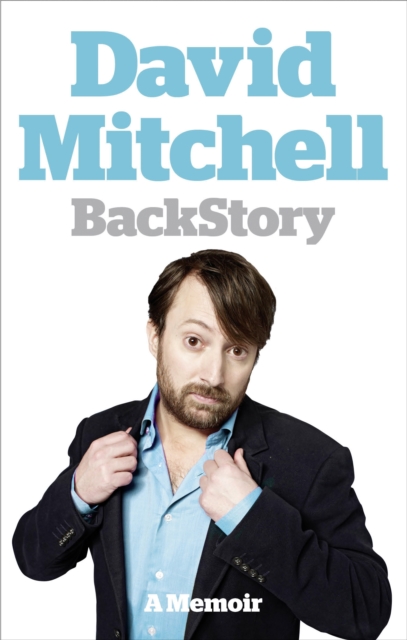
David Mitchell Back Story
KSh 2,000.00
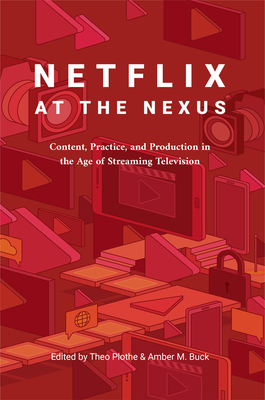
Netflix at the Nexus
KSh 13,950.00
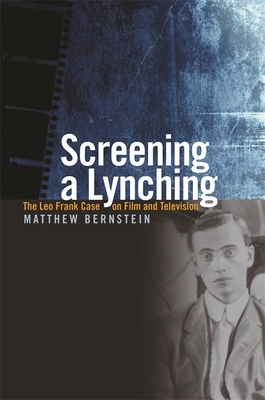
Screening a Lynching – The Leo Frank Case on Film and Television
KSh 5,750.00

Black and Blue TV
KSh 17,300.00
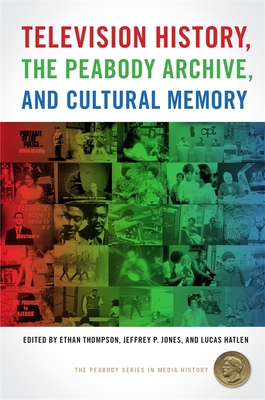
Television History, the Peabody Archive, and Cultural Memory
KSh 22,600.00

Fools Rush In
KSh 3,550.00