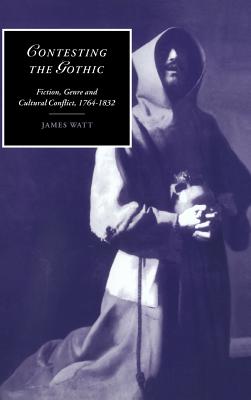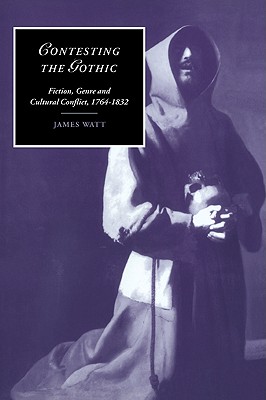
Contesting the Gothic : Fiction, Genre and Cultural Conflict, 1764–1832
by
James Watt
Book Details
Format
Paperback / softback
Book Series
Cambridge Studies in Romanticism
ISBN-10
0521024811
ISBN-13
9780521024815
Publisher
Cambridge University Press
Imprint
Cambridge University Press
Country of Manufacture
GB
Country of Publication
GB
Publication Date
Mar 16th, 2006
Print length
220 Pages
Weight
332 grams
Dimensions
15.00 x 23.00 x 1.40 cms
KSh 7,200.00
Currently unavailable
0 in stock
Delivery Location
Delivery fee: Select location
Secure
Quality
Fast
Charting its vicissitudes from Walpole to Scott, James Watt shows the Gothic to have been a heterogeneous body of fiction, characterized at times by antagonistic relations between writers or works. This book, first published in 1999, examines the novels' political import, and looks ahead to the fluctuating critical status of Scott and the Gothic.
James Watt's historically grounded account of Gothic fiction, first published in 1999, takes issue with received accounts of the genre as a stable and continuous tradition. Charting its vicissitudes from Walpole to Scott, Watt shows the Gothic to have been a heterogeneous body of fiction, characterized at times by antagonistic relations between various writers or works. Central to his argument about these works' writing and reception is a nuanced understanding of their political import: Walpole's attempt to forge an aristocratic identity, the loyalist affiliations of many neglected works of the 1790s, a reconsideration of the subversive reputation of The Monk, and the ways in which Radcliffean romance proved congenial to conservative critics. Watt concludes by looking ahead to the fluctuating critical status of Scott and the Gothic, and examines the process by which the Gothic came to be defined as a monolithic tradition, in a way that continues to exert a powerful hold.
Get Contesting the Gothic by James Watt at the best price and quality guaranteed only at Werezi Africa's largest book ecommerce store. The book was published by Cambridge University Press and it has 220 pages.
Customers Who Bought This Also Bought
How to Read a Book
KSh 2,000.00

Decolonising the Mind
KSh 4,700.00

How to Read & Why
KSh 2,350.00
Arabian Nights'' Entertainments
KSh 2,950.00
In the Wake
KSh 3,600.00
The Birth of Tragedy
KSh 1,800.00
Against Nature
KSh 1,800.00
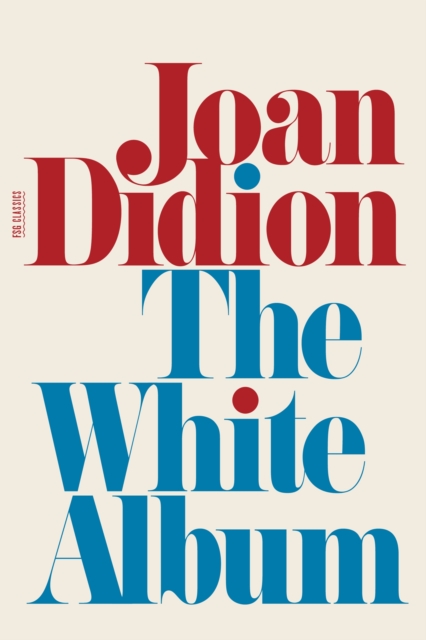
The White Album
KSh 3,250.00
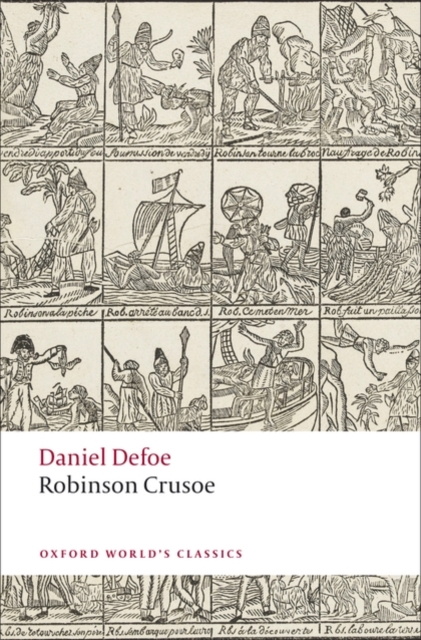
Robinson Crusoe
KSh 1,450.00
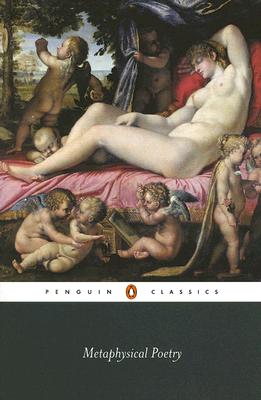
Metaphysical Poetry
KSh 2,350.00
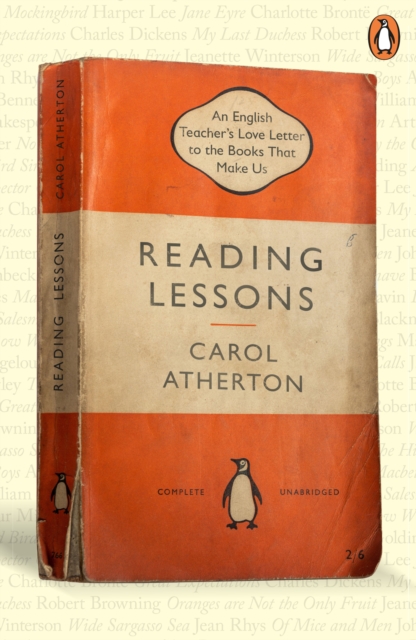
Reading Lessons
KSh 2,350.00

Literature Book
KSh 4,250.00