
Book Details
Format
Paperback / Softback
Book Series
SpringerBriefs in Economics
ISBN-10
3319758063
ISBN-13
9783319758060
Edition
2018 ed.
Publisher
Springer International Publishing AG
Imprint
Springer International Publishing AG
Country of Manufacture
GB
Country of Publication
GB
Publication Date
Mar 8th, 2018
Print length
75 Pages
Weight
152 grams
Dimensions
15.60 x 23.40 x 1.30 cms
Ksh 9,900.00
Temporarily out of stock, due soon
0 in stock
Delivery Location
Delivery fee: Select location
Secure
Quality
Fast
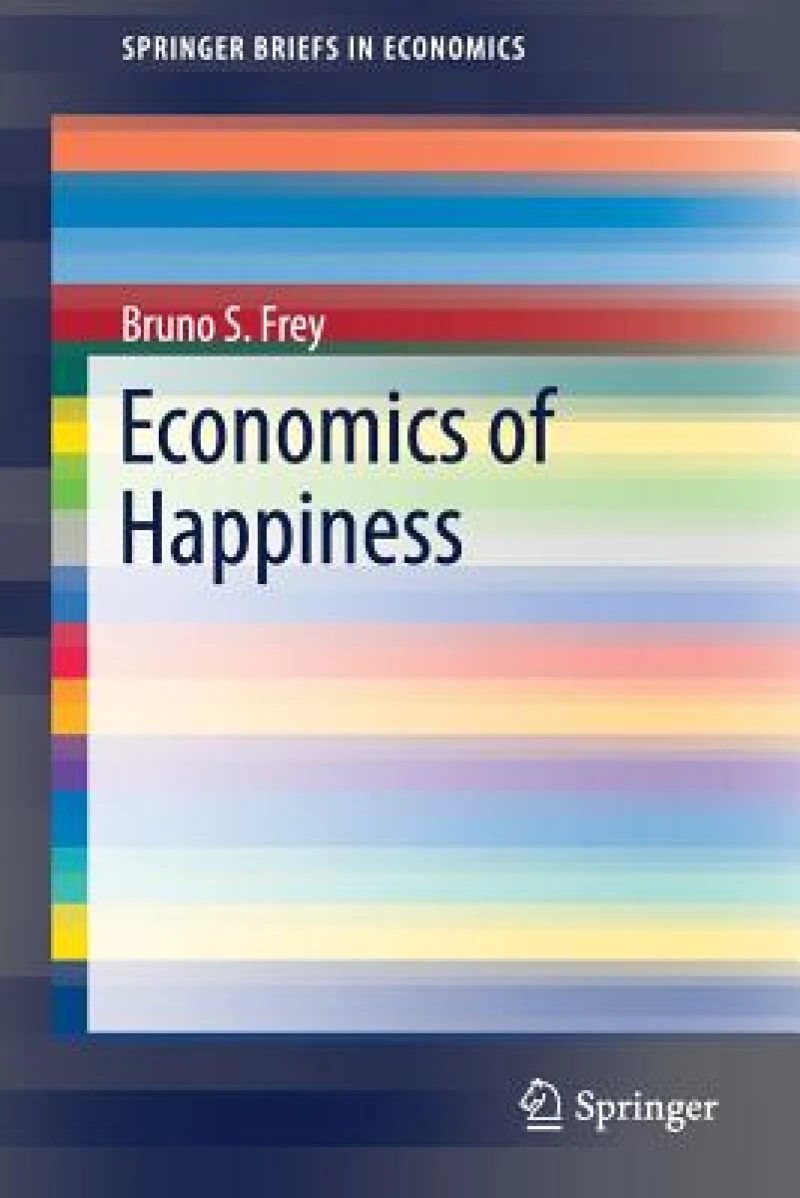
This book focuses on what makes people happy. The author explains methods for measuring subjective life satisfaction and well-being by discussing economic and sociodemographic factors, as well as the psychological, cultural and political dimensions of personal happiness. Does higher income increase happiness? Are people in rich countries, such as the United States, the United Kingdom and Scandinavian countries, happier than those living elsewhere? Does losing one’s job make one unhappy? What is the role of genetic endowments inherited from our parents? How important are physical and emotional health to subjective life satisfaction? Do older people tend to be happier, or younger people? Are close social relationships necessary for happiness? Do political conditions, such as respect for human rights, democracy and autonomy, play a part? How can governments contribute to the population’s happiness? This book answers these questions on the basis of extensiveinterdisciplinary research reflecting the current state of knowledge. The book will appeal to anyone interested in learning more about the various dimensions of personal well-being beyond the happiness-prosperity connection, as well as to policymakers looking for guidance on how to improve happiness in societies.
This book focuses on what makes people happy. The author explains methods for measuring subjective life satisfaction and well-being by discussing economic and sociodemographic factors, as well as the psychological, cultural and political dimensions of personal happiness.
Does higher income increase happiness? Are people in rich countries, such as the United States, the United Kingdom and Scandinavian countries, happier than those living elsewhere? Does losing one''s job make one unhappy? What is the role of genetic endowments inherited from our parents? How important are physical and emotional health to subjective life satisfaction? Do older people tend to be happier, or younger people? Are close social relationships necessary for happiness? Do political conditions, such as respect for human rights, democracy and autonomy, play a part? How can governments contribute to the population''s happiness? This book answers these questions on the basis of extensive interdisciplinary research reflecting the current state of knowledge.
The book will appeal to anyone interested in learning more about the various dimensions of personal well-being beyond the happiness-prosperity connection, as well as to policymakers looking for guidance on how to improve happiness in societies.
Get Economics of Happiness by at the best price and quality guaranteed only at Werezi Africa's largest book ecommerce store. The book was published by Springer International Publishing AG and it has pages.

