

Ethics, Exegesis and Philosophy : Interpretation after Levinas
Book Details
Format
Paperback / softback
ISBN-10
0521047161
ISBN-13
9780521047166
Publisher
Cambridge University Press
Imprint
Cambridge University Press
Country of Manufacture
GB
Country of Publication
GB
Publication Date
Nov 12th, 2007
Print length
372 Pages
Weight
488 grams
Dimensions
14.20 x 21.60 x 2.70 cms
KSh 7,350.00
Currently unavailable
0 in stock
Delivery Location
Delivery fee: Select location
Secure
Quality
Fast
This book expands upon Emmanuel Levinas' work to explore his use of 'ethical exegesis', opening up broader questions of interpretation in ethical thinking. Levinas' views of philosophy are considered in contrast to alternative contemporary approaches, such as those found in modern science, psychology, Nietzsche, Freud, Husserl, Heidegger, Sartre and Derrida.
The reputation and influence of Emmanuel Levinas (1906–96) has grown powerfully. Well known in France in his lifetime, he has since his death become widely regarded as a major European moral philosopher profoundly shaped by his Jewish background. A pupil of Husserl and Heidegger, Levinas pioneered new forms of exegesis with his post-modern readings of the Talmud, and as an ethicist brought together religious and non-religious, Jewish and non-Jewish traditions of contemporary thought. Richard A. Cohen has written a book which uses Levinas' work as its base but goes on to explore broader questions of interpretation in the context of text-based ethical thinking. Levinas' reorientation of philosophy is considered in critical contrast to alternative contemporary approaches such as those found in modern science, psychology, Nietzsche, Freud, Husserl, Heidegger, Sartre, Merleau-Ponty, Derrida and Ricoeur. Cohen explores a manner of philosophizing which he terms 'ethical exegesis'.
Get Ethics, Exegesis and Philosophy by Richard A. Cohen at the best price and quality guaranteed only at Werezi Africa's largest book ecommerce store. The book was published by Cambridge University Press and it has 372 pages.
Customers Who Bought This Also Bought

Great Ideas Myth of Sisyphus
KSh 1,450.00

Trouble With Being Born
KSh 2,000.00
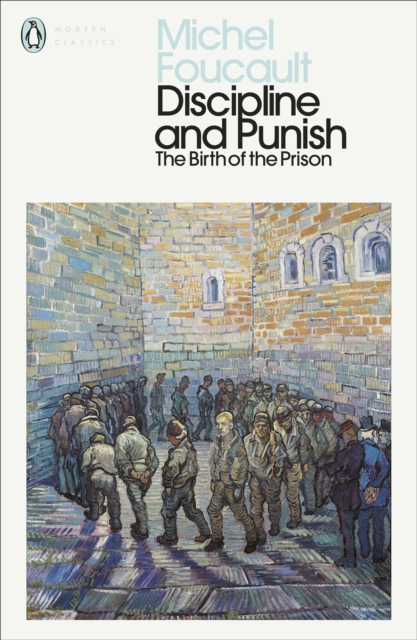
Discipline and Punish
KSh 2,350.00

Human, All Too Human
KSh 2,000.00

The Life Of The Mind
KSh 3,950.00

The Problems of Philosophy
KSh 2,150.00

Marriage and Morals
KSh 3,250.00

The Storyteller
KSh 2,150.00

Difference and Repetition
KSh 4,500.00

Words
KSh 2,000.00

Collected Papers
KSh 7,350.00
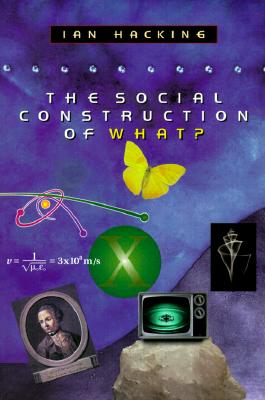
The Social Construction of What?
KSh 5,200.00