

Everyday Reading : Middlebrow Magazines and Book Publishing in Post-Independence India
Book Details
Delivery Location
Delivery fee: Select location
Utilizing a wealth of previously unexamined print culture materials, as well as paying careful attention to the production of commercial publishing companies and the reception of ordinary reading practices—particularly those of women—Everyday Reading offers fresh perspectives into book history, South Asian literary studies, and South Asian gender studies.
Get Everyday Reading by Aakriti Mandhwani at the best price and quality guaranteed only at Werezi Africa's largest book ecommerce store. The book was published by University of Massachusetts Press and it has 296 pages.
Customers Who Bought This Also Bought
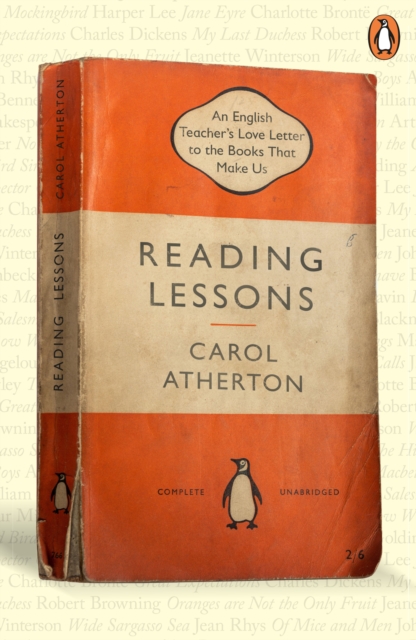
Reading Lessons
KSh 2,350.00
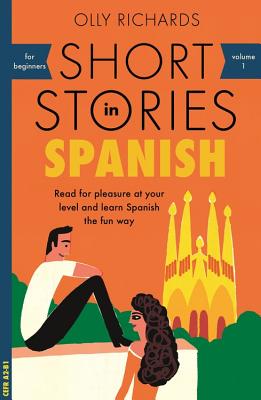
Short Stories in Spanish for Beginners
KSh 2,350.00

Ladybird Readers Level 3 - Roald Dahl - The Giraffe, the Pelly and Me (ELT Graded Reader)
KSh 1,100.00

Ladybird Readers Level 4 - Roald Dahl - Esio Trot (ELT Graded Reader)
KSh 1,100.00

Ladybird Readers Level 3 - Roald Dahl - The Enormous Crocodile (ELT Graded Reader)
KSh 1,100.00

Roald Dahl: Charlie and the Chocolate Factory - Ladybird Readers Level 3
KSh 1,100.00

Roald Dahl: James and the Giant Peach - Ladybird Readers Level 2
KSh 1,100.00

Ladybird Readers Level 4 - Roald Dahl - The Magic Finger Activity Book (ELT Graded Reader)
KSh 550.00

Ladybird Readers Level 3 - Roald Dahl - The Enormous Crocodile Activity Book (ELT Graded Reader)
KSh 550.00
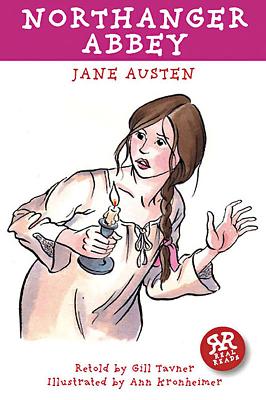
Northanger Abbey
KSh 1,450.00
Reading Critically at University
KSh 21,250.00

Ladybird Readers Level 1 - Peppa Pig - Peppa Pig Going to the Moon (ELT Graded Reader)
KSh 1,100.00
More by Aakriti Mandhwani

More in This Genre
Reading Lessons
KSh 2,350.00
Short Stories in Spanish for Beginners
KSh 2,350.00
Ladybird Readers Level 3 - Roald Dahl - The Giraffe, the Pelly and Me (ELT Graded Reader)
KSh 1,100.00
Ladybird Readers Level 4 - Roald Dahl - Esio Trot (ELT Graded Reader)
KSh 1,100.00
Ladybird Readers Level 3 - Roald Dahl - The Enormous Crocodile (ELT Graded Reader)
KSh 1,100.00
Roald Dahl: Charlie and the Chocolate Factory - Ladybird Readers Level 3
KSh 1,100.00
