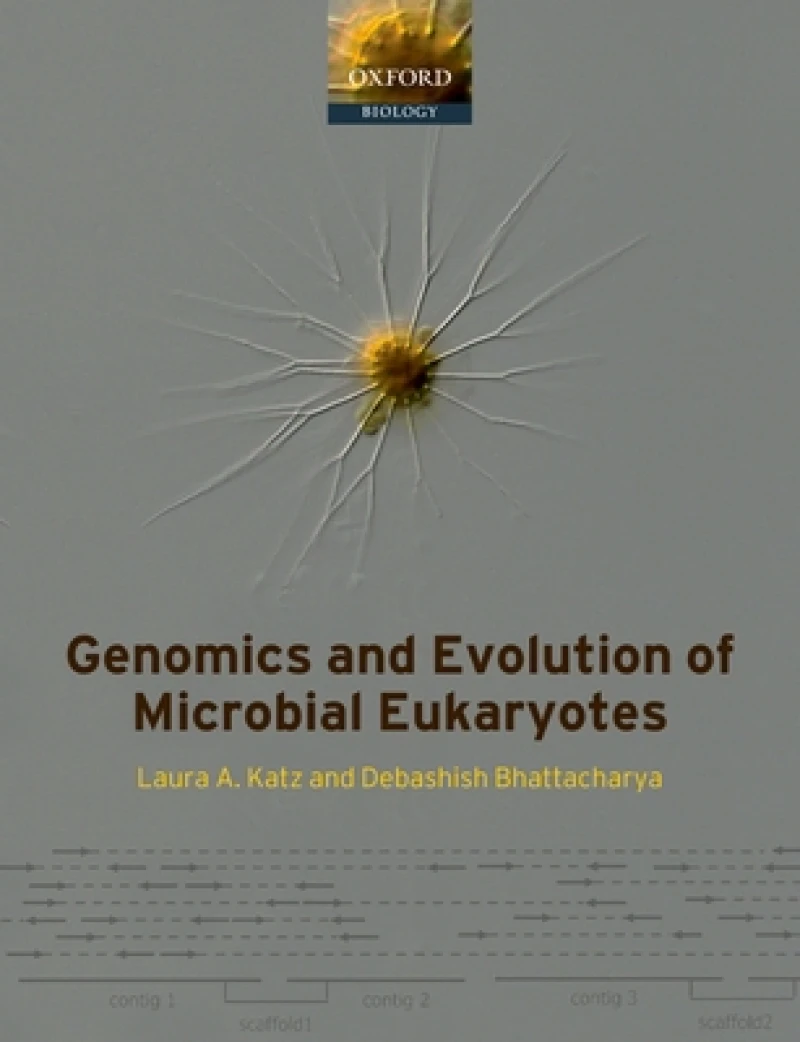
Genomics and Evolution of Microbial Eukaryotes
Book Details
Format
Paperback / Softback
ISBN-10
0199229058
ISBN-13
9780199229055
Publisher
Oxford University Press
Imprint
Oxford University Press
Country of Manufacture
GB
Country of Publication
GB
Publication Date
Mar 27th, 2008
Print length
256 Pages
Weight
508 grams
Dimensions
24.50 x 18.90 x 1.40 cms
Product Classification:
EvolutionGenetics (non-medical)Microbiology (non-medical)
Ksh 11,700.00
Temporarily out of stock, due soon
0 in stock
Delivery Location
Delivery fee: Select location
Secure
Quality
Fast
Eukaryotes evolved as microbes and have been on Earth for 2 billion years. Advances in DNA sequencing technologies are making eukaryotic microbes more accessible through genome analyses. Insights from these studies are challenging previously held theories of genome evolution, based on studies of a limited number of plants, animals and fungi.
Genomics and Evolution of Eukaryotic Microbes synthesizes the rapidly emerging fields of eukaryotic diversity and genome evolution. Eukaryotes (cells with nuclei) evolved as microbes and have existed on Earth for approximately two billion years. The tremendous diversity of eukaryotic microbes (protists) is often overlooked by those who study the macroscopic eukaryotic lineages: plants, animals, and fungi. Yet, eukaryotic microbes are of critical importance to ecosystems, human health, and our desire to understand biodiversity on Earth. By bringing together groundbreaking data from genome studies of diverse eukaryotic microbes, this book elucidates the many novelties among eukaryotic genomes and provides a single resource for otherwise widely dispersed information. Eukaryotic microorganisms impact both our health and our environment. These organisms include some of the deadliest known pathogens such as Plasmodium falciparum, a causative agent of malaria, and Entamoeba histolytica an agent of dysentery. Eukaryotic microbes also play a significant role in environments through their involvement in global biogeochemical cycles. Such roles are perhaps best exemplified by the coccolithophores, including the species Emiliania huxleyi, which can create ''blooms'' in the oceans that are visible from outer space (i.e. as large as the state of Alaska). Despite the great importance and breadth of eukaryotic microbes (the vast majority of major ukaryotic lineages are microbial, with plants, animals and fungi representing just three of an estimated 60-200 major lineages), our understanding of their diversity and phylogeny is only now rapidly expanding, in part bolstered by genomic studies. This book presents analyses and interpretations from experts in the field. Recent advances, particularly in DNA sequencing technologies, have made eukaryotic microbes more accessible to genome analyses. Unravelling the wealth of information on eukaryotic genomes will invariably revolutionize our understanding of eukaryotes, including their physiology, systematics, and ecology.
Genomics and Evolution of Eukaryotic Microbes synthesizes the rapidly emerging fields of eukaryotic diversity and genome evolution. Eukaryotes, cells with nuclei, evolved as microbes and have existed on Earth for approximately two billion years. The tremendous diversity of eukaryotic microbes (protists) is often overlooked by those who study the macroscopic eukaryotic lineages: plants, animals, and fungi. Yet, eukaryotic microbes are of critical importance to ecosystems, human health, and our desire to understand biodiversity on Earth. By bringing together groundbreaking data from genome studies of diverse eukaryotic microbes, this book elucidates the many novelties among eukaryotic genomes and provides a single resource for otherwise widely dispersed information. Eukaryotic microorganisms impact both our health and our environment. These organisms include some of the deadliest known pathogens such as Plasmodium falciparum causative agent of malaria, and Entamoeba histolytica an agent of dysentery. Eukaryotic microbes also play a significant role in environments through their involvement in global biogeochemical cycles. Such roles are perhaps best exemplified by the, coccolithophores including the species Emiliania huxleyi, which can create ''blooms'' in the oceans that are visible from outer space (i.e. as large as the state of Alaska). Despite the great importance and breadth of eukaryotic microbes (the vast majority of major ukaryotic lineages are microbial, with plants, animals and fungi representing just three of an estimated 60-200 major lineages), our understanding of their diversity, and phylogeny is only now rapidly expanding, in part bolstered by genomic studies.This book presents analyses and interpretations from experts in the field. Recent advances, particularly in DNA sequencing technologies, have made eukaryotic microbes more accessible through genome analyses. Unravelling the wealth of information on eukaryotic genomes will invariably revolutionize our understanding of eukaryotes, including their physiology, systematics, and ecology.
Get Genomics and Evolution of Microbial Eukaryotes by at the best price and quality guaranteed only at Werezi Africa's largest book ecommerce store. The book was published by Oxford University Press and it has pages.