
Cart 0
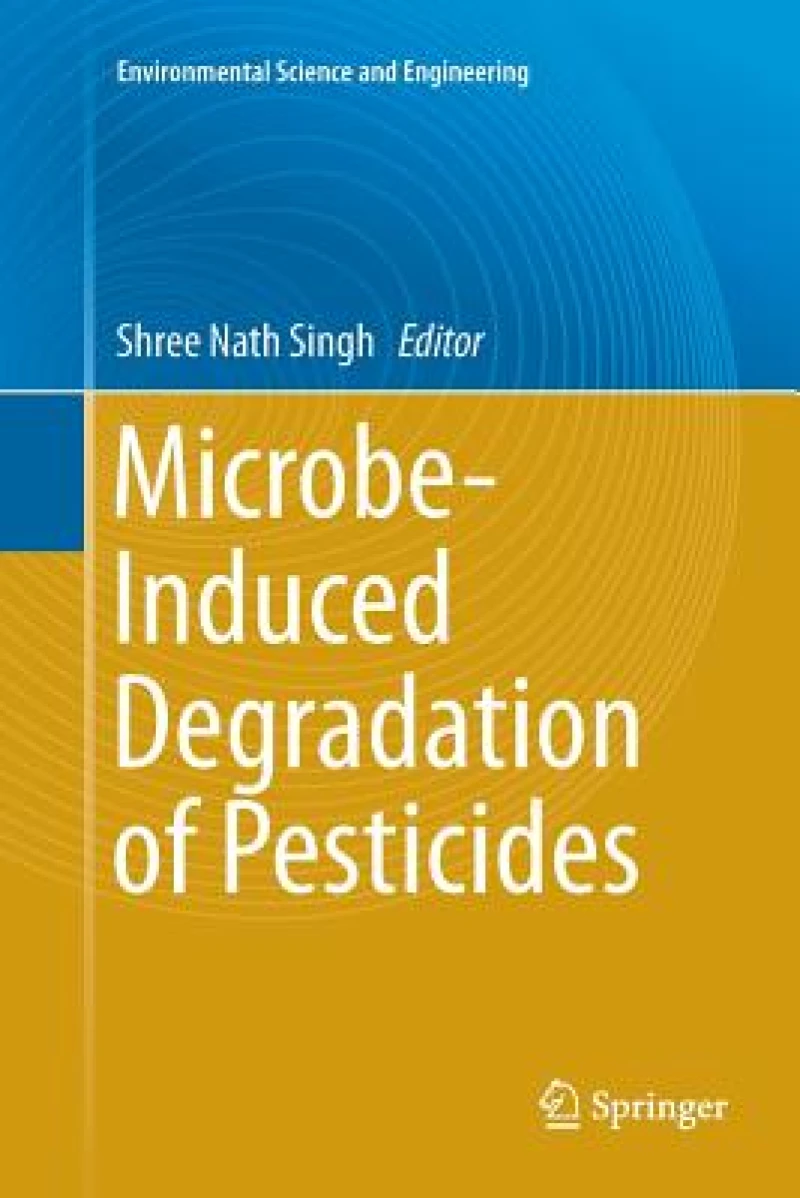
Microbe-Induced Degradation of Pesticides
Click to zoom

Share this book

Microbe-Induced Degradation of Pesticides

Softcover reprint of the original 1st ed. 2017

Book Details

Format Paperback / Softback
ISBN-10 3319832255
ISBN-13 9783319832258
Edition Softcover reprint of the original 1st ed. 2017
Publisher Springer International Publishing AG
Imprint Springer International Publishing AG
Country of Manufacture GB
Country of Publication GB
Publication Date Apr 22nd, 2018
Print length 233 Pages
Ksh 16,200.00
Werezi Extended Catalogue Delivery in 28 days

Delivery Location

Delivery fee: Select location

Delivery in 28 days

Secure
Quality
Fast
This book focuses on the microbial degradation of endosulfan, lindane, chlorophenols, organochlorine, aldrin, dieldrin, isoproturon and atrazine, etc. which are commonly used in crop fields to kill the pests. Further, it illustrates the role of degradative enzymes, metabolic pathways of degradation, toxicity of metabolites, and the factors regulating the pesticide degradation. In view of persistence of synthetic pesticides, scientists have discovered suitable microbes, such as bacteria, fungi and algae (naturally occurring or genetically engineered) over the years. After successful trials under laboratory and field conditions, these microbes are being used to degrade chemical pesticides in agriculture. As of now 2.56 billion kg of chemical pesticides is used every year to protect agricultural fields against pest attack. These technologies have been found to be highly effective, eco-friendly and cost-effective without disturbing the agro-ecosystems. As this book contains review articles contributed by various researchers from different countries whose work demonstrates recent advances in microbial degradation of pesticides, it will serve as a ready reckoner and also a valuable quick reference guide for scientists, academicians, cultivators and industrialists alike.

This book focuses on the microbial degradation of endosulfan, lindane, chlorophenols, organochlorine, aldrin, dieldrin, isoproturon and atrazine, etc. which are commonly used in crop fields to kill the pests. Further, it illustrates the role of degradative enzymes, metabolic pathways of degradation, toxicity of metabolites, and the factors regulating the pesticide degradation.

In view of persistence of synthetic pesticides, scientists have discovered suitable microbes, such as bacteria, fungi and algae (naturally occurring or genetically engineered) over the years. After successful trials under laboratory and field conditions, these microbes are being used to degrade chemical pesticides in agriculture. As of now 2.56 billion kg of chemical pesticides is used every year to protect agricultural fields against pest attack. These technologies have been found to be highly effective, eco-friendly and cost-effective without disturbing the agro-ecosystems.

As this book contains review articles contributed by various researchers from different countries whose work demonstrates recent advances in microbial degradation of pesticides, it will serve as a ready reckoner and also a valuable quick reference guide for scientists, academicians, cultivators and industrialists alike.


Get Microbe-Induced Degradation of Pesticides by at the best price and quality guaranteed only at Werezi Africa's largest book ecommerce store. The book was published by Springer International Publishing AG and it has pages.


Mind, Body, & Spirit

Price

Ksh 16,200.00

Shopping Cart

Africa largest book store

Sub Total:
Ebooks

Digital Library
Coming Soon

Our digital collection is currently being curated to ensure the best possible reading experience on Werezi. We'll be launching our Ebooks platform shortly.