
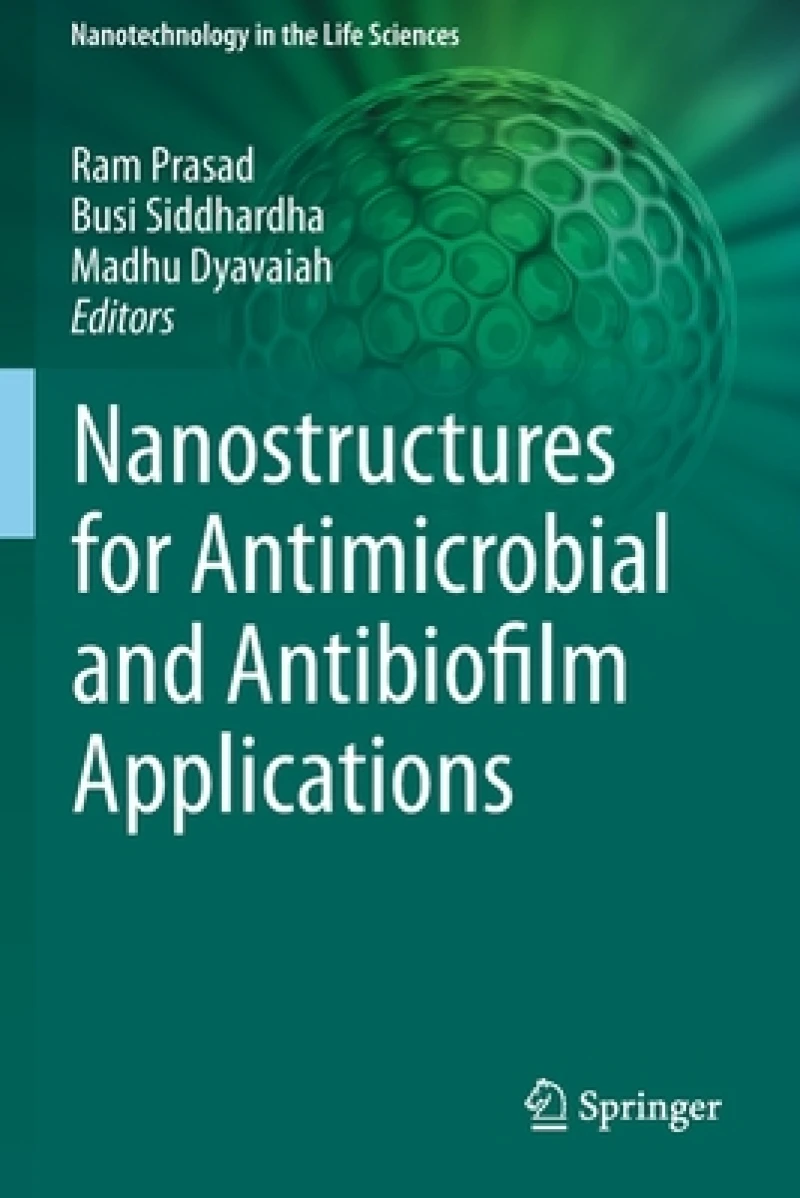
Nanostructures for Antimicrobial and Antibiofilm Applications
2020 ed.
Book Details
Format
Paperback / Softback
Book Series
Nanotechnology in the Life Sciences
ISBN-10
3030403394
ISBN-13
9783030403393
Edition
2020 ed.
Publisher
Springer Nature Switzerland AG
Imprint
Springer Nature Switzerland AG
Country of Manufacture
GB
Country of Publication
GB
Publication Date
May 13th, 2021
Print length
458 Pages
Ksh 23,400.00
Werezi Extended Catalogue
0 in stock
Delivery Location
Delivery fee: Select location
Secure
Quality
Fast
In the pursuit of technological advancement in the field of biotechnology and pharmaceutical industries to counteract health issues, bacterial infections remain a major cause of morbidity and mortality. The ability of bacterial pathogens to form biofilms further agglomerates the situation by showing resistance to conventional antibiotics. To overcome this serious issue, bioactive metabolites and other natural products were exploited to combat bacterial infections and biofilm-related health consequences. Natural products exhibited promising results in vitro, however; their efficacy in in vivo conditions remain obscured due to their low-solubility, bioavailability, and biocompatibility issues. In this scenario, nanotechnological interventions provide a multifaceted platform for targeted delivery of bioactive compounds by slow and sustained release of drug-like compounds. The unique physico-chemical properties, biocompatibility and eco-friendly nature of bioinspired nanostructures has revolutionized the field of biology to eradicate microbial infections and biofilm-related complications. The green-nanotechnology based metal and metal oxide nanoparticles and polymeric nanoparticles have been regularly employed for antimicrobial and antibiofilm applications without causing damage to host tissues. The implications of these nanoparticles toward achieving sustainability in agriculture by providing systemic resistance against a variety of phytopathogens therefore plays crucial role in growth and crop productivity. Also the advent of smart and hybrid nanomaterials such as metal-based polymer nanocomposites, lipid-based nanomaterials and liposomes have the inherent potential to eradicate bacterial biofilm-related infections in an efficient manner. The recent development of carbon-based nanomaterials such as carbon nanotubes (CNTs) and silica based nanomaterials such as mesoporous silica nanoparticles (MSNs) also exploit a target of dreadful healthcare conditions such as cancer, immunomodulatory diseases, and microbial infections, as well as biofilm-related issues owing to their stability profile, biocompatibility, and unique physio-chemical properties. Recently novel physical approaches such as photothermal therapy (PTT) and antimicrobial photodynamic therapy (aPDT) also revolutionized conventional strategies and are engaged in eradicating microbial biofilm-related infections and related health consequences. These promising advancements in the development of novel strategies to treat microbial infections and biofilm-related multidrug resistance (MDR) phenomenon may provide new avenues and aid to conventional antimicrobial therapeutics.
Get Nanostructures for Antimicrobial and Antibiofilm Applications by at the best price and quality guaranteed only at Werezi Africa's largest book ecommerce store. The book was published by Springer Nature Switzerland AG and it has pages.

