

Object in Focus: The Admonitions Scroll
by
Jan Stuart
Book Details
Format
Paperback / softback
Book Series
Object in Focus
ISBN-10
0714151084
ISBN-13
9780714151083
Publisher
British Museum Press
Imprint
British Museum Press
Country of Manufacture
GB
Country of Publication
GB
Publication Date
Jun 9th, 2014
Print length
66 Pages
Weight
192 grams
Dimensions
21.00 x 15.10 x 0.70 cms
KSh 1,100.00
Temporarily out of stock, due soon
0 in stock
Delivery Location
Delivery fee: Select location
Secure
Quality
Fast
The story of the scroll is of fascinating historical interest and this accessible and beautifully illustrated book really gets to the heart of it.
The Admonitions scroll is an internationally recognized masterpiece of narrative painting and is arguably the earliest surviving Chinese painting. Painted in ink and colour on silk and traditionally attributed to the ‘founding figure’ of Chinese painting, Gu Kaizhi (c.345–c.406), the scroll entered the British Museum in 1903 and has become one of its most famous objects. The scroll illustrates a poem written in AD 292 by the poet-official Zhang Hua (232–300), who was reprimanding Empress Jia (257–300) who had wantonly abandoned the Confucian-based ethical behaviour expected of court ladies, including personal sacrifice to save the emperor should he be in danger. The Admonitions scroll was painted centuries later in order to admonish a different wayward ruler – this time an emperor himself. While didactic and morally instructive, the painted scenes also reveal deep psychological insights into some of the figures as well as offer touching glimpses of court life, including in the bedchamber and a grooming session with the children. Modern scholarship holds that the Admonitions scroll dates from the sixth to eighth century AD. While it may or may not be a copy of an original work by Gu, without doubt it accurately represents a style current in his lifetime and as such represents the seminal development of the features that came to distinguish Chinese ink painting as a distinctive world tradition. The Admonitions scroll has been held in many prestigious Chinese private and imperial collections, as well as having been copied by other Chinese artists, before arriving in London over a century ago. The story of the scroll is of fascinating historical interest and this accessible and beautifully illustrated book really gets to the heart of it.
Get Object in Focus: The Admonitions Scroll by Jan Stuart at the best price and quality guaranteed only at Werezi Africa's largest book ecommerce store. The book was published by British Museum Press and it has 66 pages.
Customers Who Bought This Also Bought
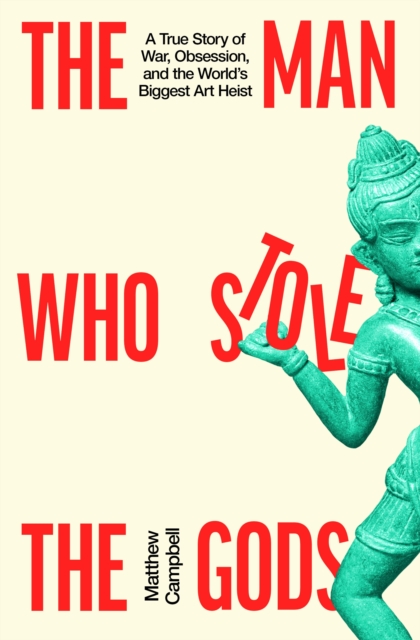
The Man Who Stole the Gods
KSh 3,600.00

The Three Perfections – Japanese Poetry, Calligraphy, and Painting
KSh 11,050.00
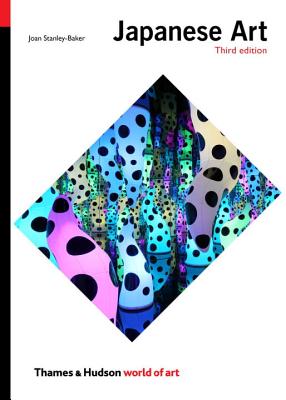
Japanese Art
KSh 2,700.00
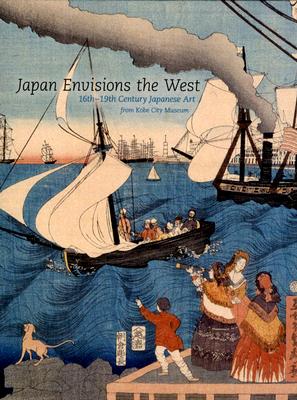
Japan Envisions the West – 16th–19th Century Japanese Art from Kobe City Museum
KSh 10,100.00
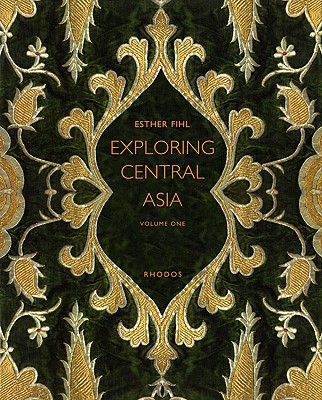
Exploring Central Asia – From the Steppes to the High Pamirs, 1896–1899
KSh 29,600.00
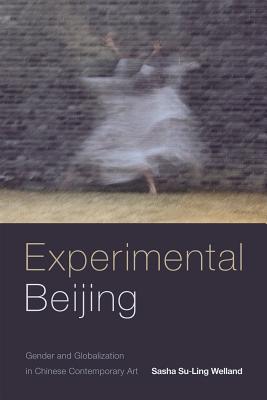
Experimental Beijing – Gender and Globalization in Chinese Contemporary Art
KSh 28,800.00
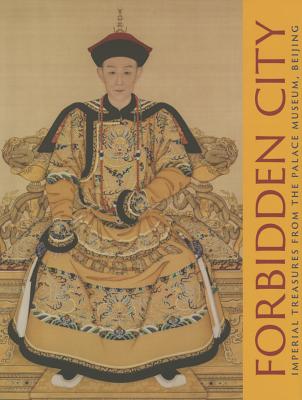
Forbidden City – Imperial Treasures from the Palace Museum, Beijing
KSh 13,050.00
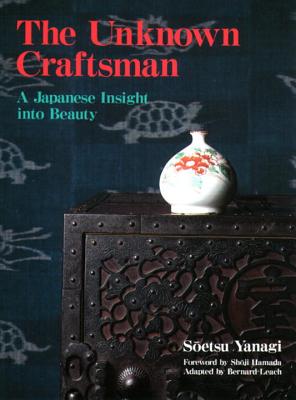
The Unknown Craftsman
KSh 6,300.00

A Concise History of Buddhist Art in Siam
KSh 5,950.00
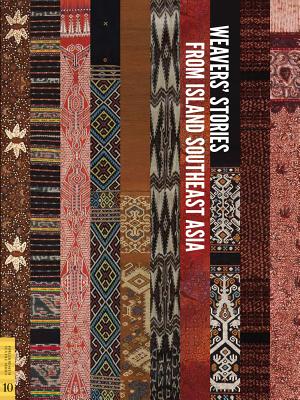
Weavers'' Stories from Island Southeast Asia
KSh 5,200.00

Time Exposures
KSh 7,400.00

Big Bazooms 5
KSh 2,900.00
More in This Genre
The Man Who Stole the Gods
KSh 3,600.00
The Three Perfections – Japanese Poetry, Calligraphy, and Painting
KSh 11,050.00
Japanese Art
KSh 2,700.00
Japan Envisions the West – 16th–19th Century Japanese Art from Kobe City Museum
KSh 10,100.00
Exploring Central Asia – From the Steppes to the High Pamirs, 1896–1899
KSh 29,600.00
Experimental Beijing – Gender and Globalization in Chinese Contemporary Art
KSh 28,800.00