Book Details
Format
Hardback or Cased Book
Book Series
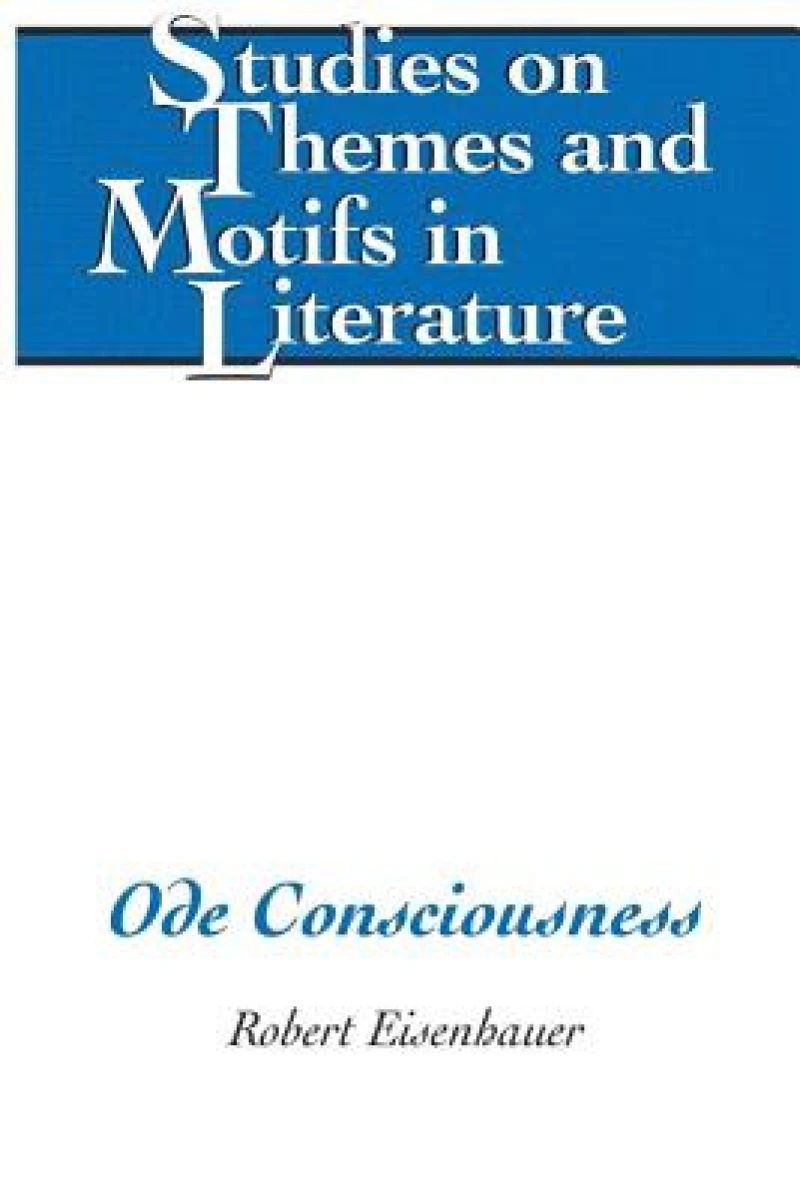
Studies on Themes and Motifs in Literature
ISBN-10
1433107333
ISBN-13
9781433107337
Edition
New
Publisher
Peter Lang Publishing Inc
Imprint
Peter Lang Publishing Inc
Country of Manufacture
US
Country of Publication
GB
Publication Date
Jun 22nd, 2009
Print length
261 Pages
Weight
586 grams
Dimensions
15.70 x 23.30 x 2.20 cms
Product Classification:
CanadaAmerican EnglishBaroqueRomanticismRenaissance styleRealismLanguage: reference & generalLanguage: reference and generalLiterary studies: generalLiterary studies: c 1500 to c 1800Literary studies: c 1800 to c 1900Literary studies: c 1900 to c 2000Literary studies: from c 1900 -
Ksh 13,500.00
Manufactured on Demand
0 in stock
Delivery Location
Delivery fee: Select location
Secure
Quality
Fast
Ode Consciousness examines a preeminent literary form in its three-thousand-year history, navigating between philosophy and literature, offering cross-cultural perspectives on a poetic logic informed by polar intensities of sensuous cognition. Making a double incision on the corpus, Robert Eisenhauer interprets works by Henry Vaughan and the modernist Frank O’Hara, foregrounding the text, but also the text(-ile) message, and the dialogical weave of enunciation. The ancient Chinese ode, translated by Karlgren and estranged by Pound, anchors sentience in the flora and fauna of physical nature, and the I Jing or Book of Changes offers insights on poetry, psychoanalysis, and aleatoriness per se.
The rise of the ode in the West is contemporary with that of a philosophical discourse concerning clarity and obscurity of thought. While Milton widens the esoteric scope, Lovelace concretizes ode consciousness through the image of a frozen grasshopper («green ice»), whose non-longevity is contrasted with the human capacity for survival through friendship. Translating the «Polish Horace» (Sarbiewski), Coleridge prepares the ground for the lyricism of Keats and Shelley, raising the neural stakes through passages of lingering, delay, and intoxication. A negative capability inclusive of desire as well as nihilation inhabits Jalal al-Din Rumi and the Arabic qasida.
Affliction, a key concept for the Baroque, is discussed in the context of film noir, while Hegel’s privileging in the Aesthetics of Schiller’s «Song of the Bell» is seen as part of a larger attempt to censure the radical re-Pindarization and revolutionary retexting of the ode, most notably in Klopstock and Hölderlin. The author analyzes the role played by impersonality in Yeats’s attempt to recrystallize Keatsian and Confucian sensibility through «annotated seeing» and the opening of windows of clairvoyant perception. Eisenhauer also suggests parallels between O’Hara’s autumnal glimpses of New York City at the height of modernism and Keatsian sensibility. Ode Consciousness concludes by examining the return of the repressed in the graphic novels of Osamu Tezuka, thereby enriching our understanding of the ode’s perennial relevance.
The rise of the ode in the West is contemporary with that of a philosophical discourse concerning clarity and obscurity of thought. While Milton widens the esoteric scope, Lovelace concretizes ode consciousness through the image of a frozen grasshopper («green ice»), whose non-longevity is contrasted with the human capacity for survival through friendship. Translating the «Polish Horace» (Sarbiewski), Coleridge prepares the ground for the lyricism of Keats and Shelley, raising the neural stakes through passages of lingering, delay, and intoxication. A negative capability inclusive of desire as well as nihilation inhabits Jalal al-Din Rumi and the Arabic qasida.
Affliction, a key concept for the Baroque, is discussed in the context of film noir, while Hegel’s privileging in the Aesthetics of Schiller’s «Song of the Bell» is seen as part of a larger attempt to censure the radical re-Pindarization and revolutionary retexting of the ode, most notably in Klopstock and Hölderlin. The author analyzes the role played by impersonality in Yeats’s attempt to recrystallize Keatsian and Confucian sensibility through «annotated seeing» and the opening of windows of clairvoyant perception. Eisenhauer also suggests parallels between O’Hara’s autumnal glimpses of New York City at the height of modernism and Keatsian sensibility. Ode Consciousness concludes by examining the return of the repressed in the graphic novels of Osamu Tezuka, thereby enriching our understanding of the ode’s perennial relevance.
Get Ode Consciousness by at the best price and quality guaranteed only at Werezi Africa's largest book ecommerce store. The book was published by Peter Lang Publishing Inc and it has pages.