

Piecing Together the Peaces : The Agricultural-Industrial Transition and the Rise of Zones of Peace
Book Details
Format
Hardback
ISBN-10
0197782221
ISBN-13
9780197782224
Publisher
Oxford University Press Inc
Imprint
Oxford University Press Inc
Country of Manufacture
GB
Country of Publication
GB
Publication Date
Oct 1st, 2024
Print length
304 Pages
Weight
585 grams
Dimensions
23.80 x 16.30 x 2.40 cms
KSh 12,400.00
Currently unavailable
0 in stock
Delivery Location
Delivery fee: Select location
Secure
Quality
Fast
Many debates in interstate conflict and peace research address an important yet complex question: how, and to what degree, are the behavior of states and their relationships among one another fundamentally changing? The period after 1945 has seen a significant decline in the degree and intensity of warfare among states. While civil wars remain common, numerous scholars argue that a "long peace" has taken hold in which militarized interstate violence has become less common. Some argue that war has become obsolete as cultural attitudes toward war have changed, while others emphasize cognitive shifts that have reduced overall levels of human violence. Others favor material factors that have altered the historical net benefit of warfare among states. In Piecing Together the Peaces, Alexander K. Antony and William R. Thompson provide a novel explanation for how peace took hold in the international system and why state behavior drastically changed. According to the standard line of reasoning, states need only democratize, liberalize their trade, modernize their economic culture, or choose to forego territorial pursuits to reach peace with another state. As Antony and Thompson argue, most, if not all, of the processes put forward as causes of modern peace are highly intertwined with the macro-process of industrialization. Marshaling a long-view perspective, they show how the introduction of mechanization into production significantly altered nearly all aspects of economic and social life, including the costs and benefits of warfare. Rather than outlining a universal pathway through which states can arrive at peace, Antony and Thompson make the case that industrialization provides the starting point from which we can begin to unpack the transformation in conflict propensities among certain states. A bold challenge to the conventional wisdom that dominates interstate peace research, Piecing Together the Peaces shows that industrialization serves as the foundation for all other factors and processes fueling interstate peace.
Get Piecing Together the Peaces by Alexander K. Antony, William R. Thompson at the best price and quality guaranteed only at Werezi Africa's largest book ecommerce store. The book was published by Oxford University Press Inc and it has 304 pages.
Customers Who Bought This Also Bought

Letters to My Palestinian Neighbor
KSh 3,400.00

Leadership
KSh 2,700.00
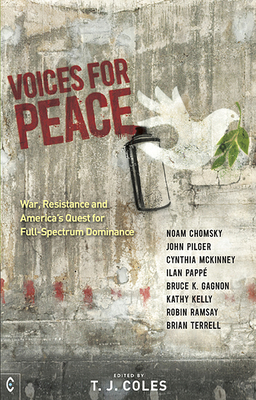
Voices for Peace
KSh 2,000.00

What You Have Heard Is True
KSh 2,350.00

To Perpetual Peace
KSh 2,000.00

Thich Nhat Hanh 2026 Wall Calendar
KSh 2,150.00
Israel’s Palestinians
KSh 4,700.00

Routledge Handbook on China-Middle East Relations
KSh 9,250.00

The One State Reality
KSh 6,000.00
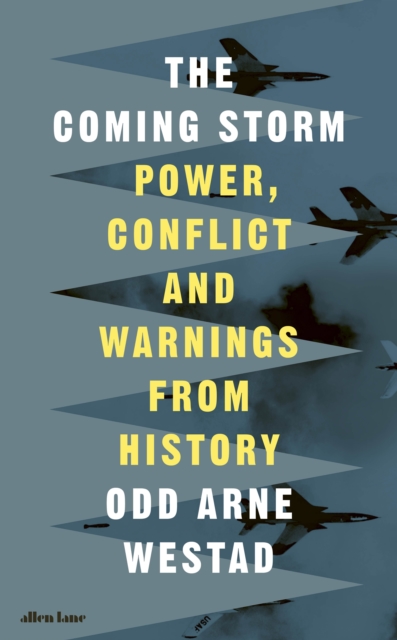
Coming Storm
KSh 3,950.00

How to Spot a Fascist
KSh 1,100.00
Israel’s Palestinians
KSh 8,800.00
More by Alexander K. Antony, William R. Thompson

Why Regional Orders Do Not Transform
KSh 16,450.00

The Geography of Power
KSh 19,800.00
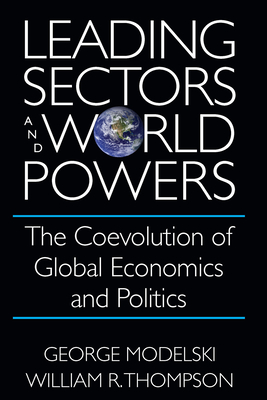
Leading Sectors and World Powers
KSh 7,200.00

American Global Pre-Eminence
KSh 17,000.00

Seapower in Global Politics, 1494–1993
KSh 14,200.00

The Geography of Power
KSh 7,200.00
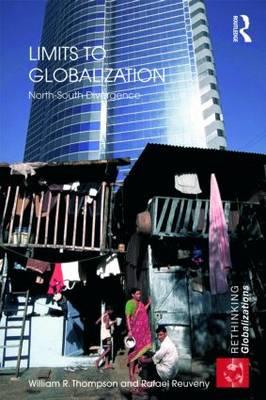
Limits to Globalization
KSh 8,800.00
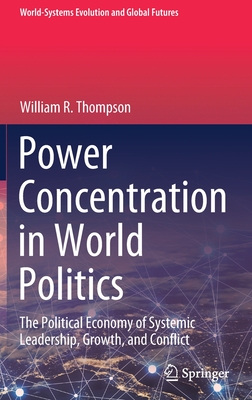
Power Concentration in World Politics
KSh 18,000.00
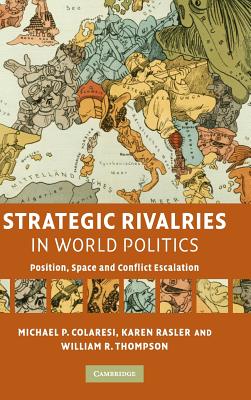
Strategic Rivalries in World Politics
KSh 17,800.00

Strategic Rivalries in World Politics
KSh 7,000.00

The Sino-Indian Rivalry
KSh 13,300.00
Handbook of International Rivalries
KSh 28,800.00
