

Sexus Botanicus : The Love Lives of Plants
Book Details
Format
Paperback / softback
ISBN-10
0262546450
ISBN-13
9780262546454
Publisher
MIT Press Ltd
Imprint
MIT Press
Country of Manufacture
GB
Country of Publication
GB
Publication Date
Sep 26th, 2023
Print length
184 Pages
Weight
604 grams
Dimensions
18.30 x 24.00 x 1.70 cms
Product Classification:
Biology, life sciences
KSh 4,700.00
Werezi Extended Catalogue
Delivery in 4 days
1 copies in stock
Delivery Location
Delivery fee: Select location
Delivery in 4 days
Secure
Quality
Fast
A richly illustrated exploration of the astonishing diversity in sexual characteristics and behaviors of plants from the fig-tree to the sacred lotus. Why do some plants flower while others do not? What happens during pollination? How can the Haleakala silversword reproduce all alone? In Sexus Botanicus, artist and writer Joanne Anton sheds light on the fertilization process of plants and relates their origins and their spectacular diversity. While sexuality has long been a source of interest for us humans, we sometimes forget to consider its primordial role in evolution. Without sexuality and the genetic union it enables, life would not assume the biodiversity it displays. Sexus Botanicus introduces us to a wide range of extraordinary specimens, some very ancient and still with us, and some their descendants by millions of years: time-traveling plants (from the wedding of a mushroom and an alga 450 million years ago to the amorous mosses that help maintain the balance of our ecosystems today); the literal flower-power sexual revolution of angiosperms (from their reliance on wind for sex to some of their edible ovaries we commonly refer to as “fruit”); zoophilic plants (from the sexual doings of bumblebees and tomato plants to the mutually beneficial pollination program between yucca and moths); the games of deception played between plants, insects, and birds; and the improbable plants operating in such extreme environments as deserts and volcanos (some of whom, such as Australia’s Queensland grasstree, utilize conflagration to reproduce). Hand-illustrated by the author in color throughout, the book also includes a full glossary of all relevant terms to introduce readers to the scientific language of plant sex.
A richly illustrated exploration of the astonishing diversity in sexual characteristics and behaviors of plants from the fig-tree to the sacred lotus.
Why do some plants flower while others do not? What happens during pollination? How can the Haleakalā silversword reproduce all alone? In Sexus Botanicus, artist and writer Joanne Anton sheds light on the fertilization process of plants and relates their origins and their spectacular diversity. While sexuality has long been a source of interest for us humans, we sometimes forget to consider its primordial role in evolution. Without sexuality and the genetic union it enables, life would not assume the biodiversity it displays.
Sexus Botanicus introduces us to a wide range of extraordinary specimens, some very ancient and still with us, and some their descendants by millions of years: time-traveling plants (from the wedding of a mushroom and an alga 450 million years ago to the amorous mosses that help maintain the balance of our ecosystems today); the literal flower-power sexual revolution of angiosperms (from their reliance on wind for sex to some of their edible ovaries we commonly refer to as “fruit”); zoophilic plants (from the sexual doings of bumblebees and tomato plants to the mutually beneficial pollination program between yucca and moths); the games of deception played between plants, insects, and birds; and the improbable plants operating in such extreme environments as deserts and volcanos (some of whom, such as Australia’s Queensland grasstree, utilize conflagration to reproduce).
Hand-illustrated by the author in color throughout, the book also includes a full glossary of all relevant terms to introduce readers to the scientific language of plant sex.
Why do some plants flower while others do not? What happens during pollination? How can the Haleakalā silversword reproduce all alone? In Sexus Botanicus, artist and writer Joanne Anton sheds light on the fertilization process of plants and relates their origins and their spectacular diversity. While sexuality has long been a source of interest for us humans, we sometimes forget to consider its primordial role in evolution. Without sexuality and the genetic union it enables, life would not assume the biodiversity it displays.
Sexus Botanicus introduces us to a wide range of extraordinary specimens, some very ancient and still with us, and some their descendants by millions of years: time-traveling plants (from the wedding of a mushroom and an alga 450 million years ago to the amorous mosses that help maintain the balance of our ecosystems today); the literal flower-power sexual revolution of angiosperms (from their reliance on wind for sex to some of their edible ovaries we commonly refer to as “fruit”); zoophilic plants (from the sexual doings of bumblebees and tomato plants to the mutually beneficial pollination program between yucca and moths); the games of deception played between plants, insects, and birds; and the improbable plants operating in such extreme environments as deserts and volcanos (some of whom, such as Australia’s Queensland grasstree, utilize conflagration to reproduce).
Hand-illustrated by the author in color throughout, the book also includes a full glossary of all relevant terms to introduce readers to the scientific language of plant sex.
Get Sexus Botanicus by Erik Butler, Joanne Anton at the best price and quality guaranteed only at Werezi Africa's largest book ecommerce store. The book was published by MIT Press Ltd and it has 184 pages.
Customers Who Bought This Also Bought

Biology for Cambridge International AS & A Level Coursebook
KSh 12,150.00
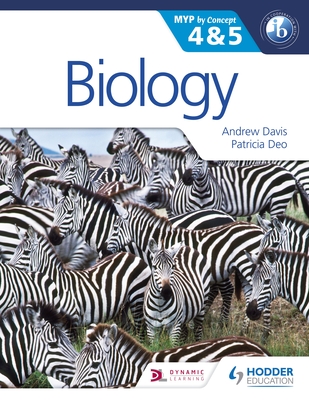
Biology for the IB MYP 4 & 5
KSh 9,950.00
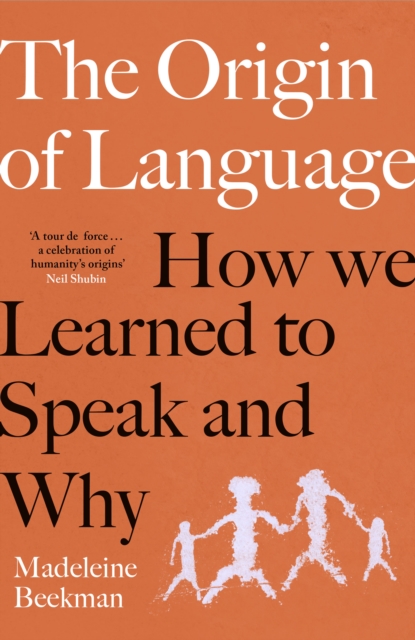
The Origin of Language
KSh 4,500.00

Animal Vegetable Criminal
KSh 1,800.00

Pearson Edexcel International A Level Biology Student Book
KSh 8,450.00

Pearson Edexcel International AS Level Biology Student Book
KSh 8,300.00

Pearson Edexcel International A Level Biology Lab Book
KSh 1,800.00
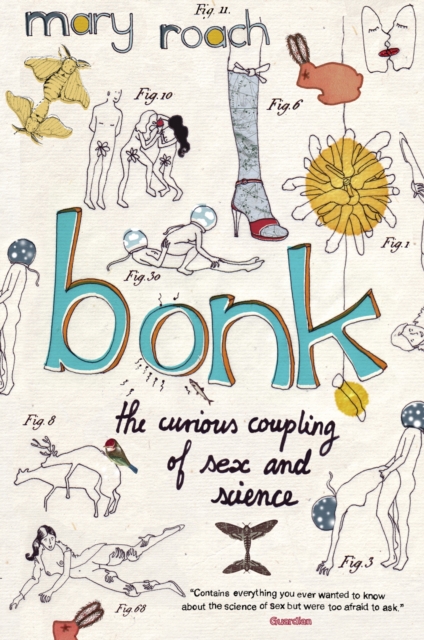
Bonk
KSh 2,000.00
The Gene
KSh 4,350.00
Caie as & a Level Biology SB
KSh 10,550.00

A-Level Biology: AQA Year 1 & 2 Complete Revision & Practice with Online Edition
KSh 4,450.00

They Had Names
KSh 3,900.00
More by Erik Butler, Joanne Anton



More in This Genre
Biology for Cambridge International AS & A Level Coursebook
KSh 12,150.00
Biology for the IB MYP 4 & 5
KSh 9,950.00
The Origin of Language
KSh 4,500.00
Animal Vegetable Criminal
KSh 1,800.00
Pearson Edexcel International A Level Biology Student Book
KSh 8,450.00
Pearson Edexcel International AS Level Biology Student Book
KSh 8,300.00
