

Slavery's Long Goodbye : Capitalism, Nationalism and Christianity in the Age of British Emancipation
by
Chris Evans
Book Details
Format
Hardback
Book Series
Liverpool Studies in International Slavery
ISBN-10
1805967827
ISBN-13
9781805967828
Publisher
Liverpool University Press
Imprint
Liverpool University Press
Country of Manufacture
GB
Country of Publication
GB
Publication Date
Sep 30th, 2026
Print length
368 Pages
KSh 25,550.00
Currently unavailable
0 in stock
Delivery Location
Delivery fee: Select location
Secure
Quality
Fast
Was Britain an ‘anti-slavery nation’ in the mid-nineteenth century? Many Britons thought so, but the evidence presented in Slavery’s Long Goodbye suggests otherwise. The respectable Britons examined in this book were corporate enslavers in Cuba, critics of anti-slave trade patrolling by the Royal Navy, and rogues who fought for the pro-slavery Confederacy.
Ebook available to libraries exclusively as part of the JSTOR Path to Open intiative. In the 1830s, the British abolished slavery across their Atlantic empire. Their reasons were varied. Some had rallied behind abolitionism because they believed hostility to slavery was intrinsic to their Christian faith. Others thought that slavery was out of sync with a modern, industrialising economy. What united them was the belief that Britain was uniquely equipped, indeed destined, to end slavery. Abolitionism, it seemed, was baked into the national character. This book challenges that comforting narrative. Britons were never uniformly or persistently anti-slavery. Certainly, not all Victorian Christians were enthused by anti-slavery. Indeed, some of the most influential theological trends of the day, like Tractarianism, were indifferent to emancipation, if not actively hostile. Nor was Britain’s brand of industrial capitalism the antidote to enslavement. On the contrary, British capitalism sustained slavery in the many parts of the Atlantic world in the so-called Age of Emancipation. These tensions are traced through the intertwined lives of three cousins. One was an industrialist who pro ted from enslaved copper miners in Cuba. Another, a Royal Naval chaplain, turned against Britain’s anti-slavery mission in southern Africa. The third, a restless adventurer, fought for the pro-slavery Confederacy during the American Civil War. Together, their stories reveal a Britain far less certain – and far less virtuous – than abolitionist legend suggests.
Get Slavery's Long Goodbye by Chris Evans at the best price and quality guaranteed only at Werezi Africa's largest book ecommerce store. The book was published by Liverpool University Press and it has 368 pages.
Customers Who Bought This Also Bought

Churchill
KSh 3,700.00
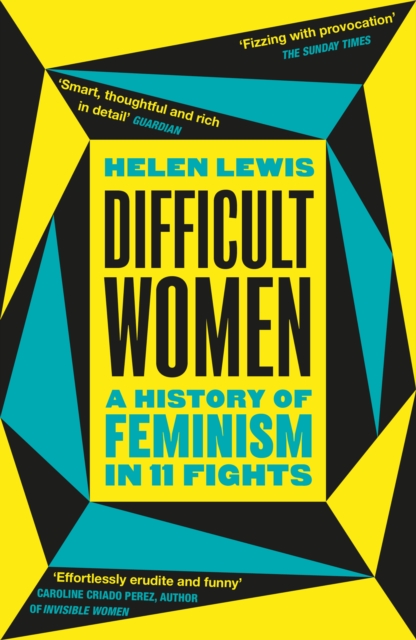
Difficult Women
KSh 2,350.00
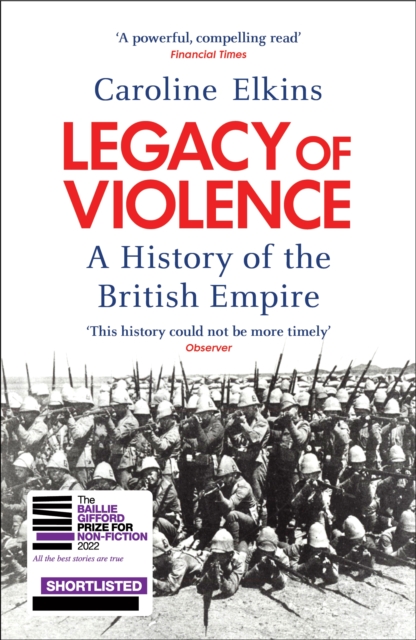
Legacy of Violence
KSh 3,150.00
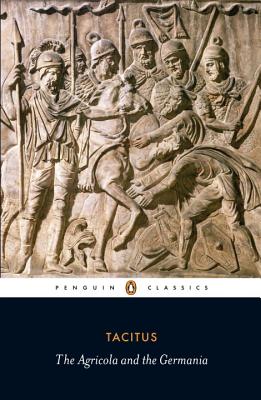
Agricola and the Germania
KSh 2,350.00
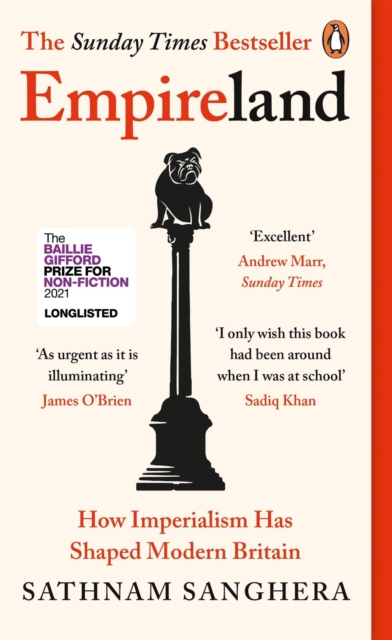
Empireland
KSh 2,150.00

The History of the Kings of Britain
KSh 2,350.00

Siege
KSh 2,000.00

Anarchy
KSh 2,700.00
What Matters in Jane Austen?
KSh 2,700.00
Unruly
KSh 2,150.00
Map Of A Nation
KSh 2,350.00

Black and British
KSh 2,350.00
More by Chris Evans

Call the Midlife
KSh 3,650.00

The Light of Burning Shadows
KSh 5,050.00

Ashes of a Black Frost
KSh 4,850.00

A Darkness Forged in Fire
KSh 6,650.00

Gary Lineker
KSh 2,000.00

How to Win the World Cup
KSh 2,000.00

Gary Lineker
KSh 2,700.00
Steel Thunder on the Eastern Front
KSh 4,050.00

119 Days to Go
KSh 2,550.00

Memoirs of Fruitcake
KSh 2,150.00
Swansea Copper
KSh 8,000.00

Outcome Measures and Evaluation in Counselling and Psychotherapy
KSh 5,950.00