

Sudden Rampage : The Japanese Occupation of South East Asia
Book Details
Format
Paperback / softback
ISBN-10
1850655847
ISBN-13
9781850655848
Publisher
C Hurst & Co Publishers Ltd
Imprint
C Hurst & Co Publishers Ltd
Country of Manufacture
GB
Country of Publication
GB
Publication Date
Jul 27th, 2001
Weight
368 grams
Dimensions
21.50 x 13.80 x 2.40 cms
Product Classification:
Asian historySecond World WarAsian historySecond World War
KSh 4,500.00
Re-Printing
0 in stock
Delivery Location
Delivery fee: Select location
Secure
Quality
Fast
This text describes the origins, the methods and the results of imperial Japan's occupation of Southeast Asia during World War II.
This describes the origins, the methods and the result of imperial Japan's occupation of Southeast Asia during World War II. Japanese policy makers had recognized that the region's European colonial regimes would not last for ever, but they had not envisaged a military conquest. While Japan launched stunningly successful military operations - such as the attacks on Pearl Harbor and Singapore - it found devising occupation policies that were suitable to the diverse regions under its sway after 1941 much harder. To a large extent Japan's policies were improvised, often being based on models derived from the experiences of Manchuria or the homeland itself. For some Japanese the invasion was a work of "liberation", and those who tried to extricate Japan from the war as defeat loomed emphasized this rationale. Eventually, however, the people of the region "liberated" themselves, taking advantage of the interregnum between Japanese military defeat and the imposition of alternative Allied administrations. Any sense of obligation to the Japanese was reduced by the violence of their soldiery and the inadequacy of their administration.
Get Sudden Rampage by Nicholas Tarling at the best price and quality guaranteed only at Werezi Africa's largest book ecommerce store. The book was published by C Hurst & Co Publishers Ltd.
Customers Who Bought This Also Bought

From Third World to First
KSh 3,200.00

Breakneck
KSh 4,500.00

India After Gandhi
KSh 4,850.00

Anarchy
KSh 2,700.00

On China
KSh 3,400.00
Apostles of Development
KSh 5,600.00
Shattered Lands
KSh 2,000.00
Indira Gandhi and the Years that Transformed India
KSh 5,050.00
India: A Wounded Civilization
KSh 2,000.00
Shattered Lands
KSh 3,200.00
Games without Rules
KSh 2,900.00

Ghost Nation
KSh 3,950.00
More by Nicholas Tarling
Decolonisations Compared
KSh 9,000.00
Decolonisations Compared
KSh 9,000.00
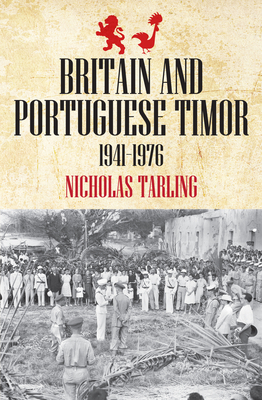
Britain and Portuguese Timor 1941–1976
KSh 4,300.00
Britain, Southeast Asia and the Onset of the Pacific War
KSh 23,600.00

Imperalism in Southeast Asia
KSh 30,950.00

Choral Masterpieces
KSh 19,800.00

Nations and States in Southeast Asia
KSh 6,850.00

Orientalism and the Operatic World
KSh 21,500.00

Choral Masterpieces
KSh 10,800.00
Britain, Southeast Asia and the Onset of the Pacific War
KSh 10,000.00

Status and Security in Southeast Asian State Systems
KSh 30,950.00
Imperialism in Southeast Asia
KSh 12,250.00
