

The Knossos Labyrinth : A New View of the `Palace of Minos' at Knossos
Book Details
Format
Hardback
ISBN-10
0415033152
ISBN-13
9780415033152
Publisher
Taylor & Francis Ltd
Imprint
Routledge
Country of Manufacture
GB
Country of Publication
GB
Publication Date
Nov 9th, 1989
Print length
230 Pages
Weight
590 grams
Product Classification:
General & world historyAncient history: to c 500 CEGeneral and world historyAncient history
KSh 30,950.00
Currently unavailable
0 in stock
Delivery Location
Delivery fee: Select location
Secure
Quality
Fast
The first excavators of the lost site of Knossos in the nineteenth century saw the site through the eyes of the classical authors. Rodney Castleden gives an alternative insight into the labyrinth which is equally exciting.
Knossos, like the Acropolis or Stonehenge, is a symbol for an entire culture. The Knossos Labyrinth was first built in the reign of a Middle Kingdom Egyptian pharaoh, and was from the start the focus of a glittering and exotic culture. Homer left elusive clues about the Knossian court and when the lost site of Knossos gradually re-emerged from obscurity in the nineteenth century, the first excavators - Minos Kalokairinos, Heinrich Schliemann, and Arthur Evans - were predisposed to see the site through the eyes of the classical authors. Rodney Castleden argues that this line of thought was a false trail and gives an alternative insight into the labyrinth which is every bit as exciting as the traditional explanations, and one which he believes is much closer to the truth. Rejecting Evans'' view of Knossos as a bronze age royal palace, Castleden puts forward alternative interpretations - that the building was a necropolis or a temple - and argues that the temple interpretation is the most satisfactory in the light of modern archaeological knowledge about Minoan Crete.
Get The Knossos Labyrinth by Rodney Castleden at the best price and quality guaranteed only at Werezi Africa's largest book ecommerce store. The book was published by Taylor & Francis Ltd and it has 230 pages.
Customers Who Bought This Also Bought
A Modern History of the Somali
KSh 5,300.00
Sapiens
KSh 2,350.00

Rise Fall Great Powers
KSh 3,050.00

Legacy of Violence
KSh 3,150.00

Chip War
KSh 2,000.00
Covering Islam
KSh 2,350.00
They Came Before Columbus
KSh 3,400.00

Hiroshima
KSh 2,000.00
Guns, Germs and Steel
KSh 2,400.00

Silk Roads
KSh 3,050.00

Empire
KSh 2,700.00

Strategy
KSh 4,350.00
More by Rodney Castleden
The Mycenaeans
KSh 30,950.00
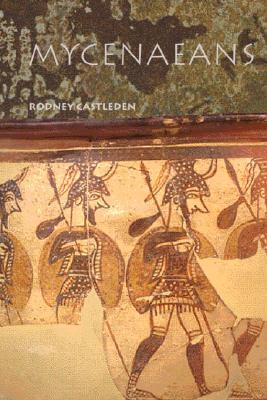
The Mycenaeans
KSh 8,850.00
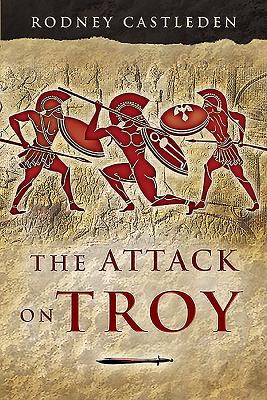
The Attack on Troy
KSh 2,350.00

The Sussex Coast
KSh 3,050.00
The Making of Stonehenge
KSh 10,600.00
King Arthur
KSh 8,950.00

The Knossos Labyrinth
KSh 9,200.00
Minoans
KSh 7,900.00
Atlantis Destroyed
KSh 8,850.00
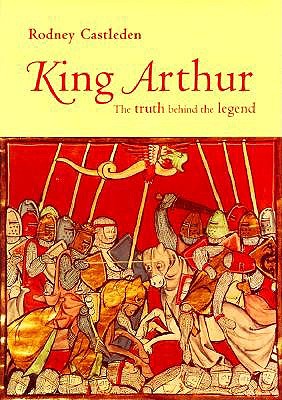
King Arthur
KSh 30,950.00
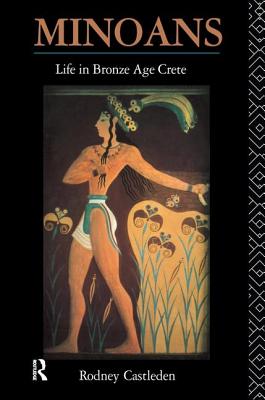
Minoans
KSh 32,850.00
Neolithic Britain
KSh 40,550.00
