
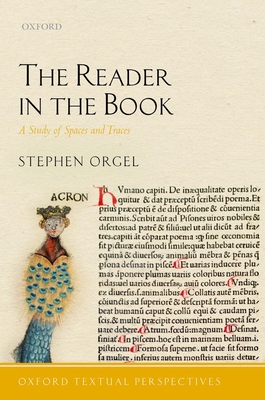
The Reader in the Book : A Study of Spaces and Traces
Book Details
Format
Paperback / softback
Book Series
Oxford Textual Perspectives
ISBN-10
0198737556
ISBN-13
9780198737551
Publisher
Oxford University Press
Imprint
Oxford University Press
Country of Manufacture
GB
Country of Publication
GB
Publication Date
Nov 30th, 2017
Print length
192 Pages
Weight
230 grams
Dimensions
20.30 x 13.60 x 1.40 cms
KSh 5,400.00
Currently unavailable
0 in stock
Delivery Location
Delivery fee: Select location
Secure
Quality
Fast
The Reader in the Book examines the history, archaeology, and sociology of the use of margins and other blank spaces in early modern books to shed light on reading practices, how books were read, and what early modern readerse wanted texts to tell them.
The Reader in the Book is concerned with a particular aspect of the history of the book, an archeology and sociology of the use of margins and other blank spaces. One of the most commonplace aspects of old books is the fact that people wrote in them, something that, until very recently, has infuriated modern collectors and librarians. But these inscriptions constitute a significant dimension of the book''s history, and what readers did to books often added to their value. Sometimes marks in books have no relation to the subject of the book, merely names, dates, prices paid; blank spaces were used for pen trials and doing sums, and flyleaves are occasionally the repository of records of various kinds. The Reader in the Book deals with that special class of books in which the text and marginalia are in intense communication with each other, in which reading constitutes an active and sometimes adversarial engagement with the book. The major examples are works that are either classics or were classics in their own time; but they are seen here as contemporaries read them, without the benefit of centuries of commentary and critical guidance. The underlying question is at what point marginalia, the legible incorporation of the work of reading into the text of the book, became a way of defacing it rather than of increasing its value-why did we want books to lose their history?
Get The Reader in the Book by Stephen Orgel at the best price and quality guaranteed only at Werezi Africa's largest book ecommerce store. The book was published by Oxford University Press and it has 192 pages.
Customers Who Bought This Also Bought
How to Read a Book
KSh 2,000.00

Decolonising the Mind
KSh 4,700.00

How to Read & Why
KSh 2,350.00

Arabian Nights'' Entertainments
KSh 2,950.00
In the Wake
KSh 3,600.00
The Birth of Tragedy
KSh 1,800.00
Against Nature
KSh 1,800.00
The White Album
KSh 3,250.00
Robinson Crusoe
KSh 1,450.00
Metaphysical Poetry
KSh 2,350.00
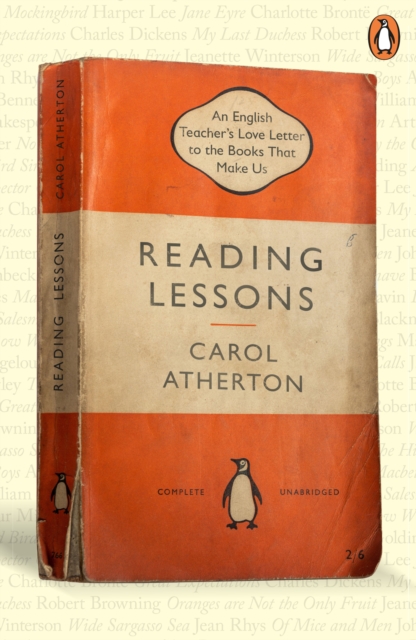
Reading Lessons
KSh 2,350.00

Literature Book
KSh 4,250.00
More by Stephen Orgel

Texts of Shakespeare
KSh 3,600.00
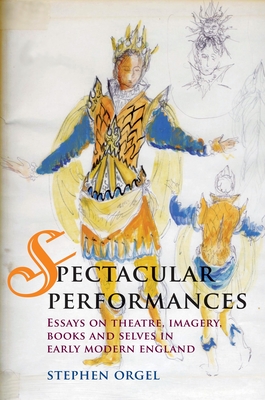
Spectacular Performances
KSh 3,800.00

The Texts of Shakespeare
KSh 11,700.00

The Invention of Shakespeare, and Other Essays
KSh 3,400.00

The Authentic Shakespeare
KSh 30,950.00
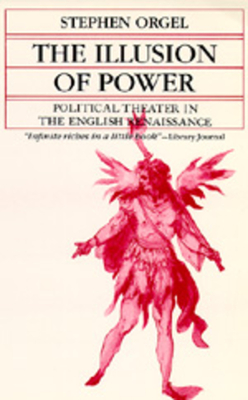
The Illusion of Power
KSh 3,600.00
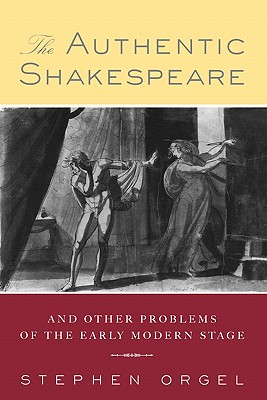
The Authentic Shakespeare
KSh 8,650.00

The Idea of the Book and the Creation of Literature
KSh 4,600.00
Impersonations
KSh 7,900.00

Spectacular Performances
KSh 11,700.00

The Idea of the Book and the Creation of Literature
KSh 11,000.00

Wit''s Treasury
KSh 6,500.00
