
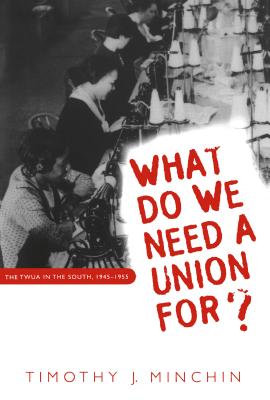
Book Details
Format
Paperback / softback
ISBN-10
0807846252
ISBN-13
9780807846254
Edition
New
Publisher
The University of North Carolina Press
Imprint
The University of North Carolina Press
Country of Manufacture
US
Country of Publication
GB
Publication Date
Mar 31st, 1997
Print length
296 Pages
Weight
472 grams
Dimensions
23.40 x 15.80 x 2.40 cms
KSh 5,950.00
Currently unavailable
0 in stock
Delivery Location
Delivery fee: Select location
Secure
Quality
Fast
This is a look at how the rise in standards throughout the US after World War II brought significant changes to the lives of southern textile workers. It shows how their economic expectations increased and how their purchasing power grew - with little help from the unions.
The rise in standards of living throughout the U. S. in the wake of World War II brought significant changes to the lives of southern textile workers. Mill workers'' wages rose, their purchasing power grew, and their economic expectations increased--with little help from the unions. Timothy Minchin argues that the reasons behind the failure of textile unions in the postwar South lie not in stereotypical assumptions of mill workers'' passivity or anti-union hostility but in these large-scale social changes. Minchin addresses the challenges faced by the TWUA--competition from nonunion mills that matched or exceeded union wages, charges of racism and radicalism within the union, and conflict between its northern and southern branches--and focuses especially on the devastating general strike of 1951. Drawing extensively on oral histories and archival records, he presents a close look at southern textile communities within the context of the larger history of southern labor, linking events in the textile industry to the broader social and economic impact of World War II on American society. |Minchin argues that the reasons behind the failure of textile unions in the postwar South lie not in stereotypical assumptions of mill workers'' passivity or antiunion hostility but in large-scale social changes. Drawing extensively on oral histories and archival records, he looks at southern textile communities within the context of the larger history of southern labor, linking events in the textile industry to the broader social and economic impact of World War II on American society.
Get What Do We Need a Union for? by Timothy J. Minchin at the best price and quality guaranteed only at Werezi Africa's largest book ecommerce store. The book was published by The University of North Carolina Press and it has 296 pages.
Customers Who Bought This Also Bought
Crusade for Justice – The Autobiography of Ida B. Wells, Second Edition
KSh 4,050.00

Killers of the Flower Moon
KSh 2,000.00

Warmth of Other Suns
KSh 3,050.00

Frederick Douglass
KSh 3,350.00

107 Days
KSh 4,500.00

Second Treatise of Government – Norton Library
KSh 1,600.00

Tuesdays With Morrie
KSh 2,000.00
My Bondage and My Freedom
KSh 1,600.00

Hidden Figures
KSh 2,000.00

America, América
KSh 3,650.00
Holding the Line
KSh 2,000.00

Nuclear Folly
KSh 3,050.00
More by Timothy J. Minchin

America’s Other Automakers
KSh 26,700.00

America's Other Automakers – A History of the Foreign–Owned Automotive Sector in the United States
KSh 7,850.00
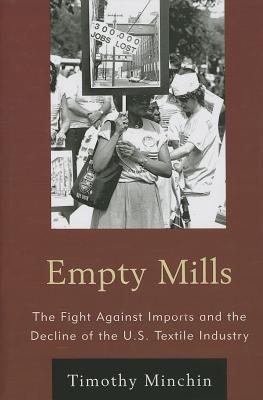
Empty Mills
KSh 21,450.00

Meleklerin Payi - Bir Viski Macerasi
KSh 5,550.00
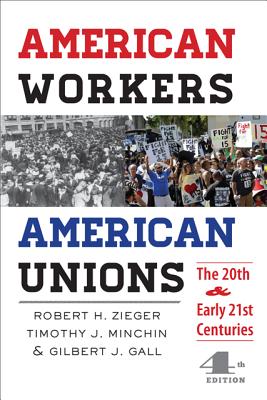
American Workers, American Unions
KSh 4,450.00

From Rights to Economics
KSh 4,000.00
