Book Details
Format
Hardback
Book Series
Studies on Themes and Motifs in Literature
ISBN-10
1433103524
ISBN-13
9781433103520
Edition
New
Publisher
Peter Lang Publishing Inc
Imprint
Peter Lang Publishing Inc
Country of Manufacture
US
Country of Publication
GB
Publication Date
Apr 12th, 2008
Print length
212 Pages
Weight
532 grams
Dimensions
15.80 x 23.60 x 1.90 cms
KSh 13,000.00
Currently unavailable
0 in stock
Delivery Location
Delivery fee: Select location
Secure
Quality
Fast
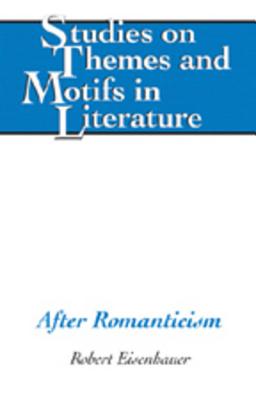
After Romanticism explores the ground common to European romanticism and American modernism, a space of translation and echoing where gulfs of ironic difference open between islands of topographic similarity, where literary history is subject to fictive renegotiation. Robert Eisenhauer situates Truman Capote’s texts within the artistic/philosophical orbit of Novalis and Friedrich Schlegel, at the same time reading Answered Prayers as a validation of Baroque mysticism, a revisiting of controversies surrounding Lucinde, and a modernist take on Shelley’s Triumph of Life. In the second essay, the author unpacks the signifiers Cristal and crystal, assessing their role in the rhetoric of metahistory. Breakfast at Tiffany’s is seen embodying the exotic «trans» underlying representation itself, the disappointed searching of Schiller’s sentimental consciousness.
Discussing two cinematic interpretations of Terence Rattigan’s play The Browning Version, Eisenhauer traces the use/abuse of names in the rhetoric of academic and political vilification. Drawing on such diverse sources as Aeschylus, Browning, Golding, and Adorno, he finds the current state of discourse in need of «heavy teaching», so that the repressed subject of democracy/tyranny can surpass the psychopathology of the Same.
Analyzing Fellini’s radical revision of an Edgar Allan Poe short story, the author suggests how inscrutability saves the audience from guilt because the viewer cannot arrive at apodictic certainty concerning the «subject screened». While Poe lampoons «the transcendentals» as a kind of disease, implying readerly guilt by association, and solidifying the letter, Fellini, by valorizing theatrical illusion, fails to translate a text that teaches the reader more than he or she is prepared to know.
After Romanticism concludes with an imaginary conversation (echoing the pedagogical dynamic of Henry James’s «The Pupil») in which a still problematic «translation» of a poetic text by the arch-modernist Gertrude Stein is discussed.
Discussing two cinematic interpretations of Terence Rattigan’s play The Browning Version, Eisenhauer traces the use/abuse of names in the rhetoric of academic and political vilification. Drawing on such diverse sources as Aeschylus, Browning, Golding, and Adorno, he finds the current state of discourse in need of «heavy teaching», so that the repressed subject of democracy/tyranny can surpass the psychopathology of the Same.
Analyzing Fellini’s radical revision of an Edgar Allan Poe short story, the author suggests how inscrutability saves the audience from guilt because the viewer cannot arrive at apodictic certainty concerning the «subject screened». While Poe lampoons «the transcendentals» as a kind of disease, implying readerly guilt by association, and solidifying the letter, Fellini, by valorizing theatrical illusion, fails to translate a text that teaches the reader more than he or she is prepared to know.
After Romanticism concludes with an imaginary conversation (echoing the pedagogical dynamic of Henry James’s «The Pupil») in which a still problematic «translation» of a poetic text by the arch-modernist Gertrude Stein is discussed.
Get After Romanticism by Robert Eisenhauer at the best price and quality guaranteed only at Werezi Africa's largest book ecommerce store. The book was published by Peter Lang Publishing Inc and it has 212 pages.
Customers Who Bought This Also Bought
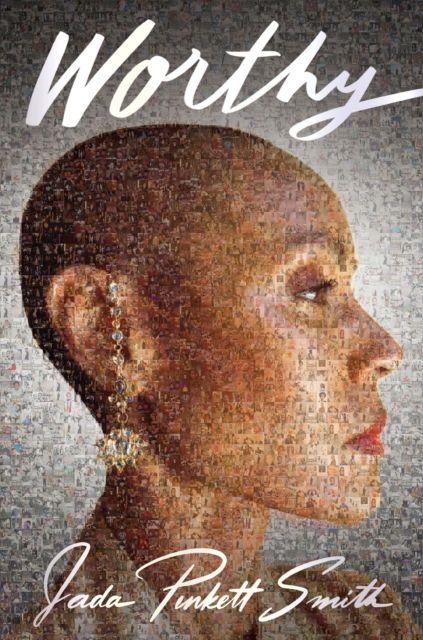
Worthy
KSh 3,500.00
Angels And Demons
KSh 1,900.00

Thinking in Pictures
KSh 6,100.00

Reel to Real
KSh 4,500.00
Duke in His Domain
KSh 550.00

The Lord of the Rings Tarot and Guidebook
KSh 4,150.00
The Lord of the Rings Memory Journal
KSh 2,200.00
With Nails
KSh 2,000.00
Dark Matter
KSh 3,600.00
Marvel''s Black Panther - Script To Page
KSh 3,250.00
Warner Bros – The Making of an American Movie Studio
KSh 2,750.00

A Deadly Episode
KSh 3,950.00